
Last updated November 16, 2026
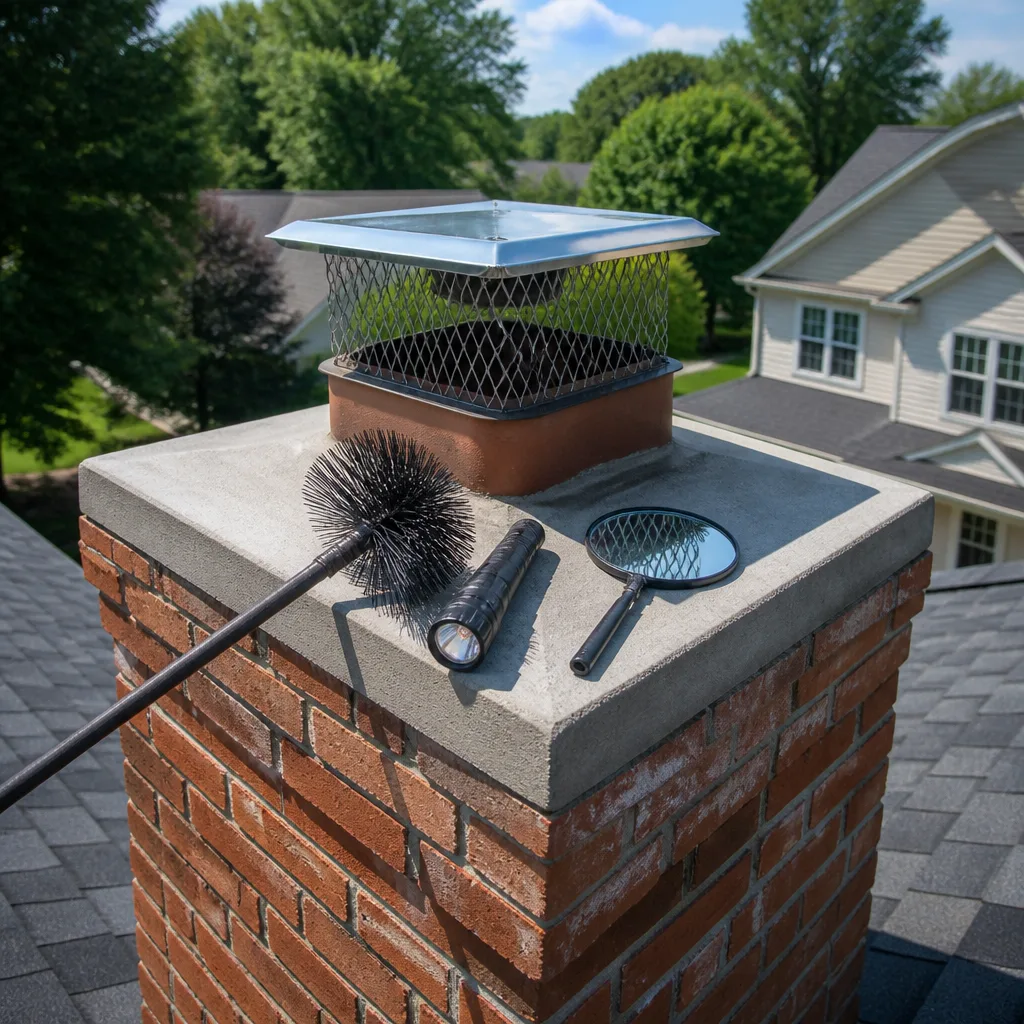 Sweep & inspection
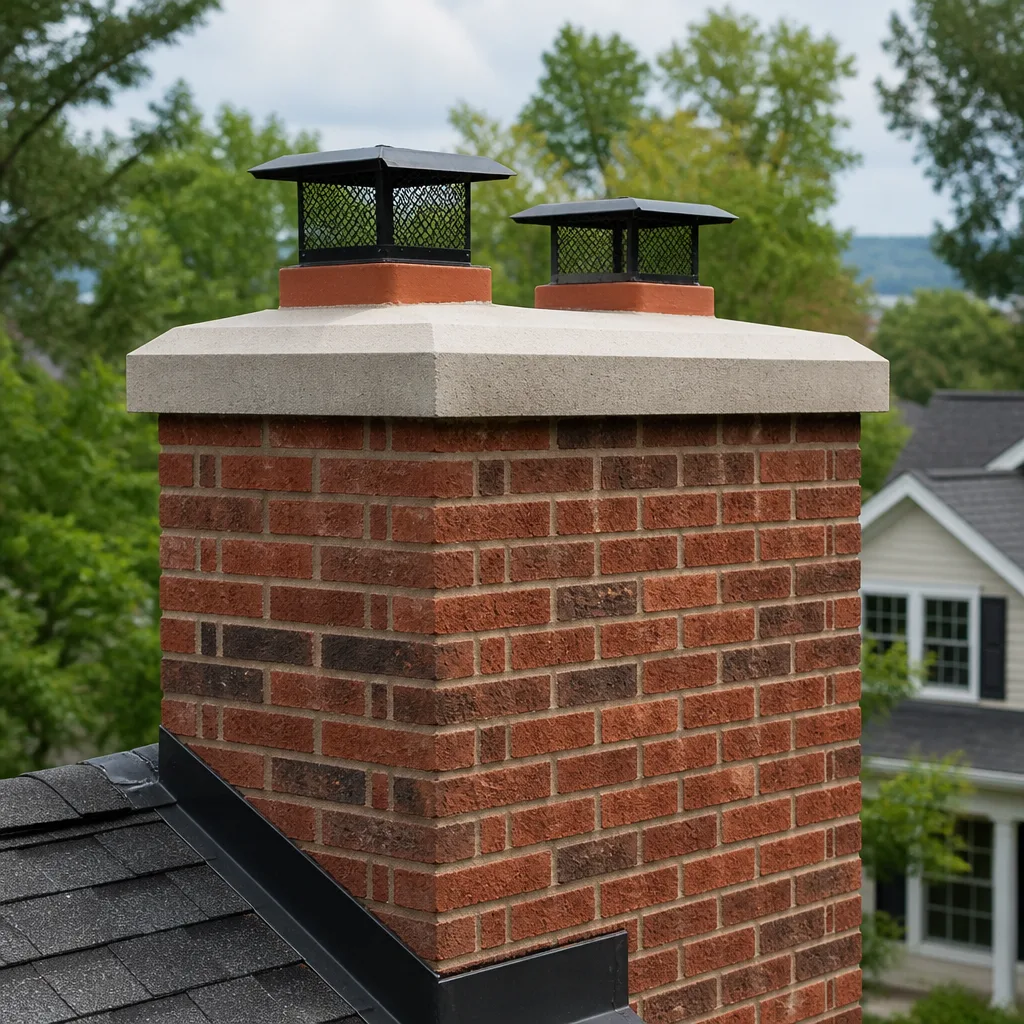 Caps & crowns
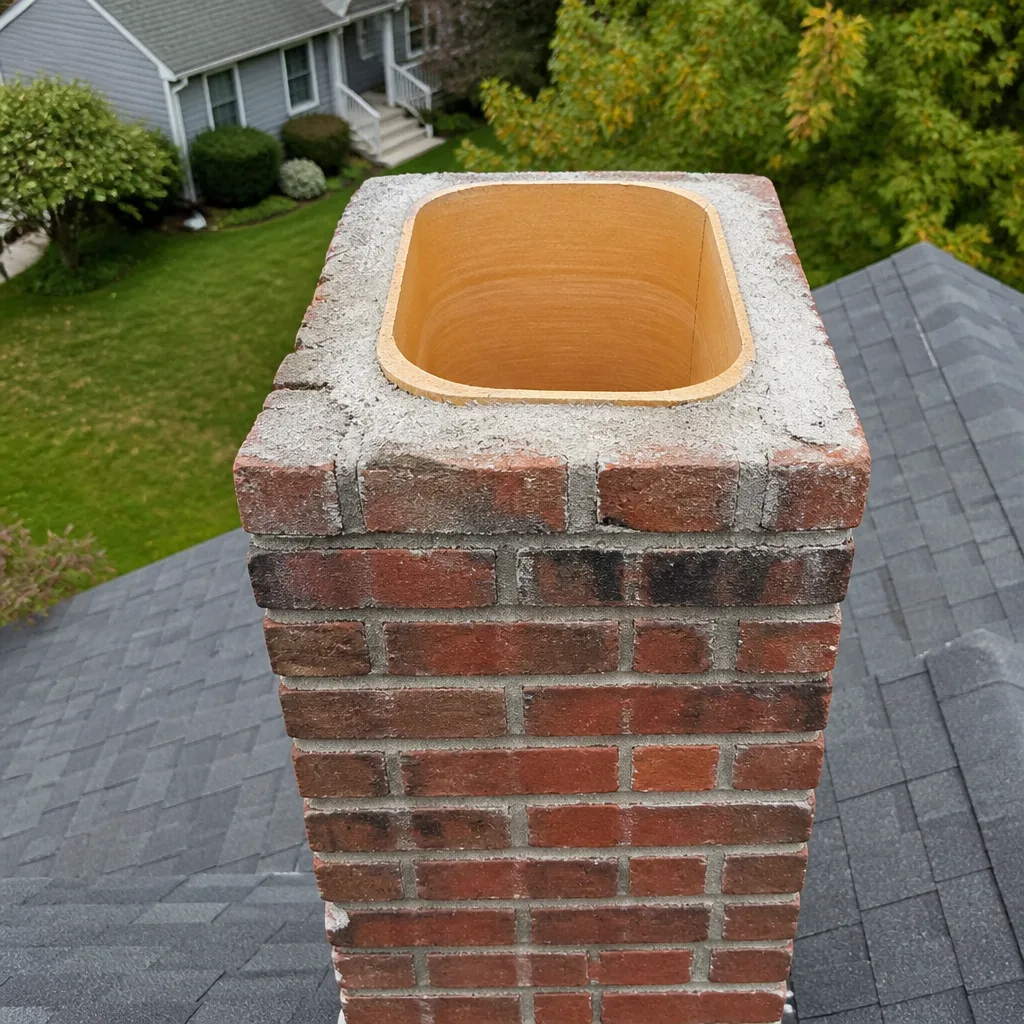 Flue relining
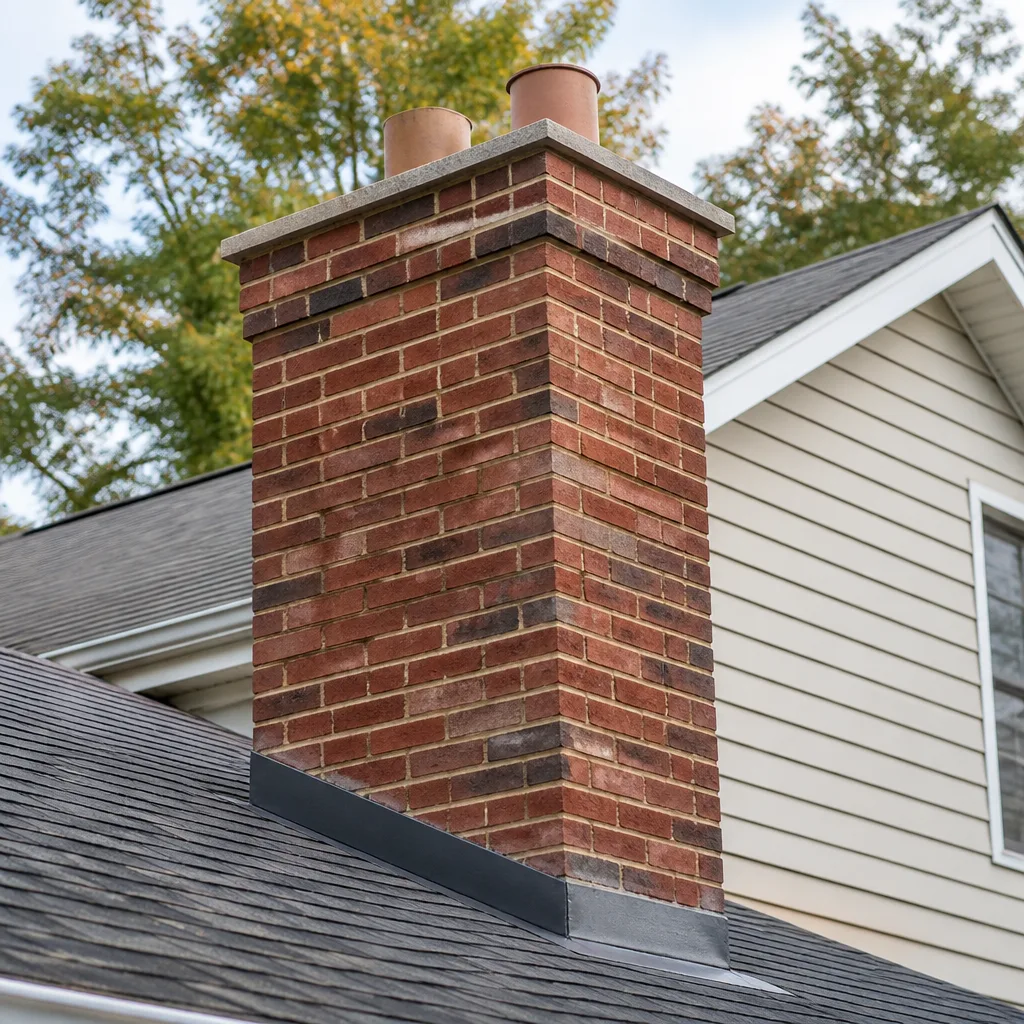 Masonry repair
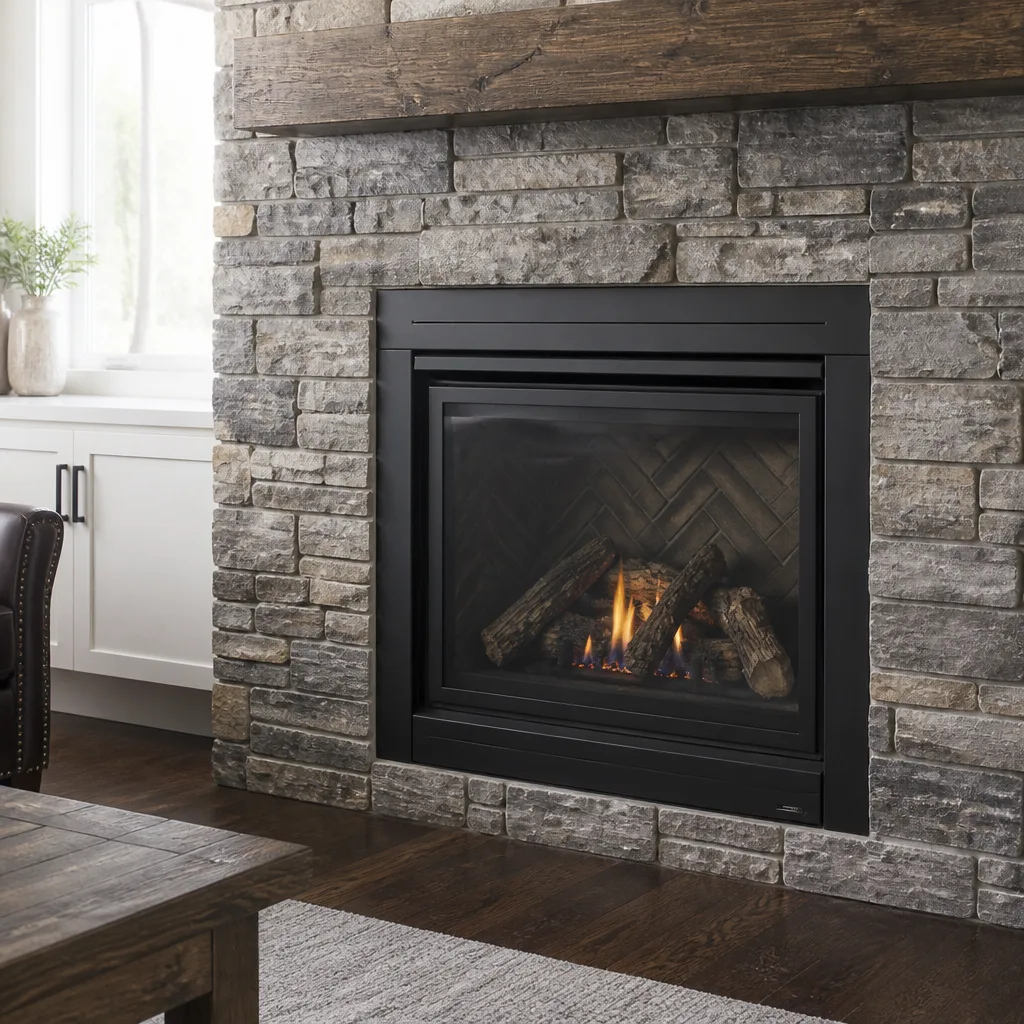 Gas fireplace service
Level 1 sweep and inspection to the NFPA 211 annual standard - flue, crown, cap, and flashing checked and photographed
Chimney sweep logs do not sweep chimneys. They loosen some creosote - which then falls where a brush and vacuum still have to collect it.
Chimney Sweep Maintenance Checklist for Antioch Homeowners
A chimney that “passed” last year isn’t necessarily safe this year. Mortar joints lose roughly a quarter inch of depth per decade on average, and the gap between “fine” and “needs repair” is often invisible without a reference point to measure against. That’s the problem with most chimney maintenance checklists: they tell you what to look at today, but they don’t tell you what you saw last time. Without year-over-year documentation, you can’t tell whether your chimney is slowly degrading or holding steady. In this guide, we’ll walk through the exterior and interior checks that matter for Antioch homes, how creosote stages change what’s required, what you can assess yourself, and how to build a log that turns a maintenance list into a real condition baseline.
Quick Answer
A chimney maintenance checklist for an Antioch homeowner should cover six checkpoints: the exterior masonry and crown, the cap, the flue and liner, the creosote stage inside the firebox and flue, the damper and smoke chamber, and a written record of what you found and when. Sweeping and a professional inspection belong on an annual cycle; the visual checks in between take fifteen minutes and are what make the annual inspection meaningful. The log is the part most homeowners skip, and it’s the part that tells you whether your chimney is stable or slipping.
Styles & brands we work with
- Sweep & inspection
- Caps & crowns
- Flue relining
- Masonry repair
- Gas fireplace service
Table of Contents
- Why a Checklist Without a Baseline Is Just a Guess
- The Exterior Checklist for Antioch’s Climate
- The Interior Checklist and the Three Creosote Stages
- Damper and Smoke Chamber: What You Can Check Yourself
- How to Keep a Maintenance Log That’s Actually Useful
- Which Checklist Items Are DIY and Which Need Professional Materials
- Building the Checklist Into Your Year in Antioch
- Common Mistakes to Avoid
Why a Checklist Without a Baseline Is Just a Guess
Most chimney maintenance advice assumes you’re starting from zero every year. You look at the crown, it looks okay, you move on. But “looks okay” has no meaning unless you remember what it looked like twelve months ago. A hairline crack in a crown can widen over two winters of rain or stay exactly where it is for five. You can’t tell the difference between a chimney that’s holding steady and one that’s degrading slowly unless you wrote it down.
This is where a condition baseline earns its keep. When we sweep and inspect a chimney, we’re not just clearing creosote. We’re establishing a reference point: the condition of the mortar at the crown, the depth of any spalling on the exterior, the stage of creosote in the flue, the way the damper seats, the state of the smoke chamber. Next year’s inspection gets compared against that record. A maintenance checklist becomes a diagnostic tool instead of a ritual.
In our experience, the log is the difference between a technician starting from scratch and a technician starting with a genuine picture of what your chimney has been doing across the service history on file. That difference shows up most when something is borderline. A joint that’s lost a little depth since last time means one thing. The same joint at the same depth three years running means something else entirely.
For Antioch homeowners, this matters because the local climate adds a slow, steady pressure that’s easy to underestimate. Winters here are mild and wet. That means water, not cold, is the main exterior threat. Water finds cracks in stucco, works into the crown, and sits against masonry that never gets cold enough to drive it out quickly. The damage is gradual. Gradual damage is exactly the kind that only a baseline catches.
The Exterior Checklist for Antioch’s Climate
The exterior of your chimney takes the weather year-round, and in Antioch the weather that matters most is rain. Mild winters mean the masonry stays damp longer without the hard freeze that would push water back out. Here’s what to check from the ground and, if you can safely reach it, from a ladder. Don’t climb anything you’re not confident on; a lot of this can be assessed with binoculars.
- Stucco and siding: Look for new cracks, especially where the chimney meets the roofline. Heat cycling over a dry Antioch summer followed by wet winter rain opens stucco cracks over time. Note the length and location of any crack, not just whether one exists.
- Cap condition: The cap is the metal or concrete cover on top. Check for rust-through, loose fasteners, or a cap that’s shifted off center. A failing cap lets water and animals straight into the flue. We work with Gelco and Famco cap and venting components when a replacement is needed, and the fit matters more than the brand.
- Crown: The crown is the sloped concrete top that sheds water away from the flue. Look for erosion at the edges, cracks radiating outward, or a slope that’s flattened. A crown that no longer sheds water is the single most common cause of interior water damage.
- Mortar joints: On exposed brick, check for joints that have receded. You’re looking for depth, not just discoloration. Joints that have lost their profile let water in.
- Flashing: Where the chimney passes through the roof, the flashing should be tight and sealed. Lifted or separated flashing is a roof leak waiting to show up as a ceiling stain.
- Spalling: Flaking or crumbling brick faces. Note roughly how many and where. A count from last year turns this into a trend line.
Write down what you find, even if everything looks fine. “Crown intact, no new cracks, cap secure” is a useful entry. It’s the entry that tells you next year whether the hairline you’re now seeing is new or was always there.
The Interior Checklist and the Three Creosote Stages
Inside the firebox and flue, the thing you’re assessing is creosote, and creosote isn’t one substance. It forms in three recognizable stages, and each stage changes what’s required to remove it and how urgently. Knowing which stage you’re looking at is the single most useful piece of information a homeowner can bring to a sweep.
Stage 1: Brushable
Soft, flaky, soot-like deposits. This is the normal, early accumulation most fireplaces build up in a season of use. It brushes off with standard sweeping tools. Stage 1 creosote is what a routine annual sweep is designed to clear.
Stage 2: Porous and Crusty
Harder deposits that have begun to bond to the flue surface. They’re still porous but won’t brush away cleanly with a standard sweep. Stage 2 creosote usually signals that the fireplace is being burned with restricted air, or that sweeping has been skipped. Removal takes more work, and this is the stage where a homeowner should stop putting off the call.
Stage 3: Glazed
A hard, shiny, tar-like coating baked onto the flue. Stage 3 creosote is dense and can’t be removed by brushing at all. It’s the stage most closely associated with chimney fire risk, and it usually means the chimney has been run hot and starved of air for a long stretch. Stage 3 is a professional-only problem with more involved removal.
In our experience, homeowners can’t reliably identify Stage 3 from the firebox alone. You can see some of the lower flue, but the heaviest deposits usually sit higher up. A camera inspection is what confirms the stage at the top of the flue, and that’s worth the small cost of knowing. Our technicians have up to 15 years of experience reading exactly this kind of evidence, and we’ll tell you honestly which stage you’re in and what it takes to clear it.
Damper and Smoke Chamber: What You Can Check Yourself
Two interior components deserve their own checklist entries because they’re easy to self-assess and easy to forget: the damper and the smoke chamber. Neither is dangerous to look at, but both tell you a lot about how the chimney is performing.
Damper function
The damper is the metal flap that opens and closes the flue. A damper that’s stuck open wastes heat and lets cold air and rain-scented air down the flue. A damper that’s stuck closed means smoke has nowhere to go. With the fire completely out and cold, open it and close it a few times. It should move without much resistance and seat fully against the frame. Rattle it gently and look at the hinge. A damper that wobbles or won’t seat flat is a candidate for professional attention. Note in your log whether it moves freely and seats fully. That single line, repeated year over year, tells you whether the damper is holding or starting to fail.
Smoke chamber condition
The smoke chamber is the angled space above the damper, below the flue. You can’t see most of it from the firebox without leaning in with a light, and it’s easy to spot corrosion or heavy creosote buildup on the visible surfaces. Look for white, chalky residue, dark tar-like coating, or crumbling material on the visible walls. If the smoke chamber surface is deteriorating, the fix usually involves resurfacing rather than replacing anything, and that’s a job for a professional. HeatShield resurfacing can restore a deteriorating smoke chamber or liner surface without a full reline, and we’ll tell you honestly whether resurfacing is enough or whether a reline is the right call.
One safety note before you lean in: never put your head or hands inside a flue or firebox that has anything smoldering, and never reach up into a flue. If you’ve had a fire in the last day, that’s not a DIY inspection situation. The damper and smoke chamber checks are for a cold, fully extinguished fireplace only, and anything beyond a visual assessment should go to a trained professional.
How to Keep a Maintenance Log That’s Actually Useful
The log is the piece that turns this checklist into a condition baseline, and it’s simple enough that there’s no reason not to keep one. You don’t need a special app. A notebook, a folder of photos, or a note on your phone all work. What matters is consistency and specificity. Here’s a structure that works.
- Date every entry. “Spring 2026, before the burn season” beats “sometime last year” every time.
- Record the specific finding, not a verdict. Instead of “crown okay,” write “crown intact, no new cracks, edges still rounded, slope sheds water.” Detail is what makes next year’s comparison possible.
- Note creosote stage. Stage 1, 2, or 3, and roughly how thick. If you don’t know the stage, note what you saw and let the sweep confirm it.
- Log the sweep and inspection separately from the visual checks. The professional sweep is a dated event. The checks are dated observations. Both belong in the record.
- Keep photos. A photo of the crown and cap from the same angle each year is worth more than any description.
- Note what was recommended and what was declined. If a sweep recommended a repair and you decided to wait, log that decision and the reasoning. Next year, that note either confirms the wait was fine or tells you it wasn’t.
- Hand the log to whoever inspects next. Whether it’s the same company or a different one, a written history is what lets a new technician assess your chimney against a real baseline instead of guessing.
This is also where Chimney Sweep Antioch earns its place in the process. Our sweep and inspection findings are documented for you, not just reported verbally, so the record lives with your home rather than in someone’s memory. That’s the difference between a service visit and a service history.
Which Checklist Items Are DIY and Which Need Professional Materials
One of the most useful things a checklist can do is draw a line between what you can handle and what you shouldn’t touch. Here’s how we’d break it down for an Antioch homeowner.
Reasonable for a homeowner
- Visual exterior checks from the ground with binoculars: crown, cap, flashing, spalling, stucco cracks
- Camera photos of the exterior to build a visual record
- Damper operation check on a cold fireplace
- Keeping the log and taking dated photos
- Light creosote assessment from the firebox on a cold, extinguished fireplace
Professional only
- The actual sweep. Sweeping looks simple and isn’t. Getting the flue clean without damaging the liner, and getting at creosote above the reach of a hand brush, takes proper tools and training.
- Any creosote above Stage 1. Stage 2 and Stage 3 require professional removal.
- Liner assessment and any repair. This is where materials matter, and where a sweep-only company has to hand off to someone else. We handle sweeping, inspection, and repair under one roof, so a finding doesn’t become a referral.
- HeatShield resurfacing or DuraFlex liner installation. These are professional-grade systems, not commodity parts, and they’re installed to spec by trained technicians. Resurfacing can extend the life of a deteriorating liner without the cost of a full reline, but the assessment has to be done in person with camera evidence.
- Cap replacement with venting components. Gelco and Famco caps and venting parts need the right fit. A cap that’s the wrong size or improperly seated defeats the purpose.
- Crown repair or rebuilding.
The honest line: anything that involves being up high, reaching into a flue, or specifying materials belongs to a professional. The checks you can do build the baseline that makes the professional visit more useful. That’s the division of labor that gets the most out of your annual service.
Building the Checklist Into Your Year in Antioch
A checklist only works if it gets used at the right time. Antioch’s burning season is short and mild, so the calendar is less about surviving winter and more about timing service so the chimney is ready when you want it. Here’s a rhythm that works.
Before the burn season
This is when the annual sweep and inspection belong. Booking before you start using the fireplace means you’re burning into a documented, clean flue rather than discovering a problem mid-season. It also means the inspection findings can be acted on before the wet winter gains a foothold. This is the time to have chimney sweep work done and to schedule any repair the inspection flags.
After the burn season
This is the time for the exterior checks. Creosote isn’t the concern here; rain is. A crown or stucco issue spotted in early spring has a whole dry season to be addressed before the rains return. Do a visual exterior pass and update your log.
Mid-season
A quick damper check and a look at the firebox for creosote stage, on a cold fireplace, is all this needs. If you notice heavy buildup or the damper feels different, that’s a reason to call rather than wait for the annual sweep.
When something changes
Any new crack, any new spalling, any change in how the fireplace drafts, any new stain on a ceiling near the chimney: those bump the checklist from routine to urgent. The log is what tells you whether the change is actually new or just newly noticed. If it’s new, call. If it’s been there a while and hasn’t moved, you have more room to plan. Getting that distinction right is the whole point of the baseline.
Common Mistakes to Avoid
- Treating “passed inspection” as a permanent state. A chimney that passed last year can still be degrading now. The inspection is a snapshot, not a guarantee, and the checklist exists to fill the gap between snapshots.
- Not writing anything down. The single most common mistake. A homeowner who looks at the crown every year for five years and never records it has no baseline, and no way to know whether what they’re seeing is new.
- Skipping the exterior because the fireplace works fine. In a mild-winter climate like Antioch’s, the exterior damage is driven by rain, not cold, and it doesn’t announce itself through the fireplace. The fire can draft perfectly while the crown is quietly failing.
- Judging creosote by what’s visible in the firebox. The heaviest deposits usually sit higher in the flue. If you conclude “it looks fine” from the firebox alone, you’re guessing. Let a camera inspection confirm the stage.
- Replacing a cap with one that doesn’t fit properly. A cap is only protective if it’s seated correctly over the flue. An improper fit lets water and animals in just as easily as no cap at all, and the mistake is often invisible from the ground.
- Putting off liner repair until it becomes a reline. Liner deterioration is progressive. Resurfacing is an option in the earlier stages and a full reline is usually the answer later. Waiting doesn’t make the repair cheaper; it changes which repair you need.
- Handing off findings to a different contractor every time. Every new contractor starts from zero without your log. Keeping the record with the home and using a company that can sweep, inspect, and repair is what keeps the history usable.
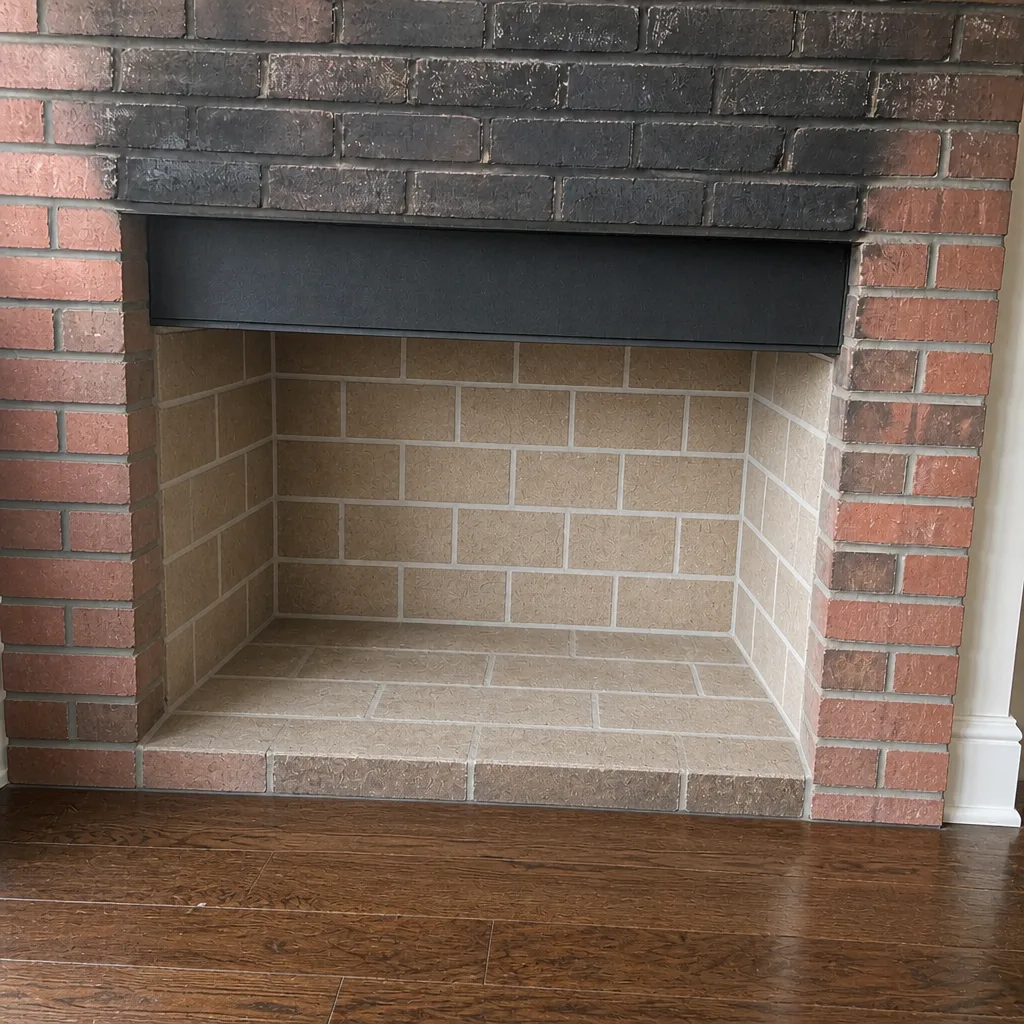
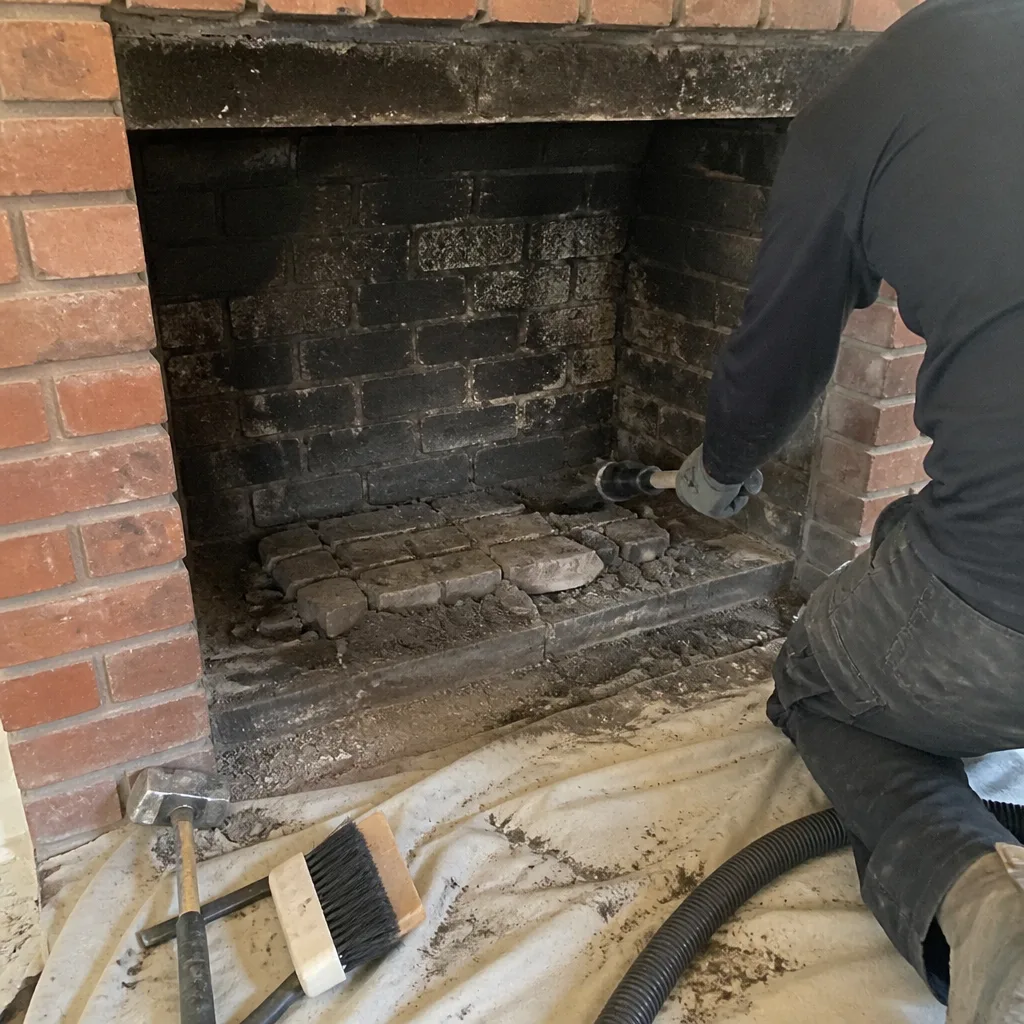
See the difference
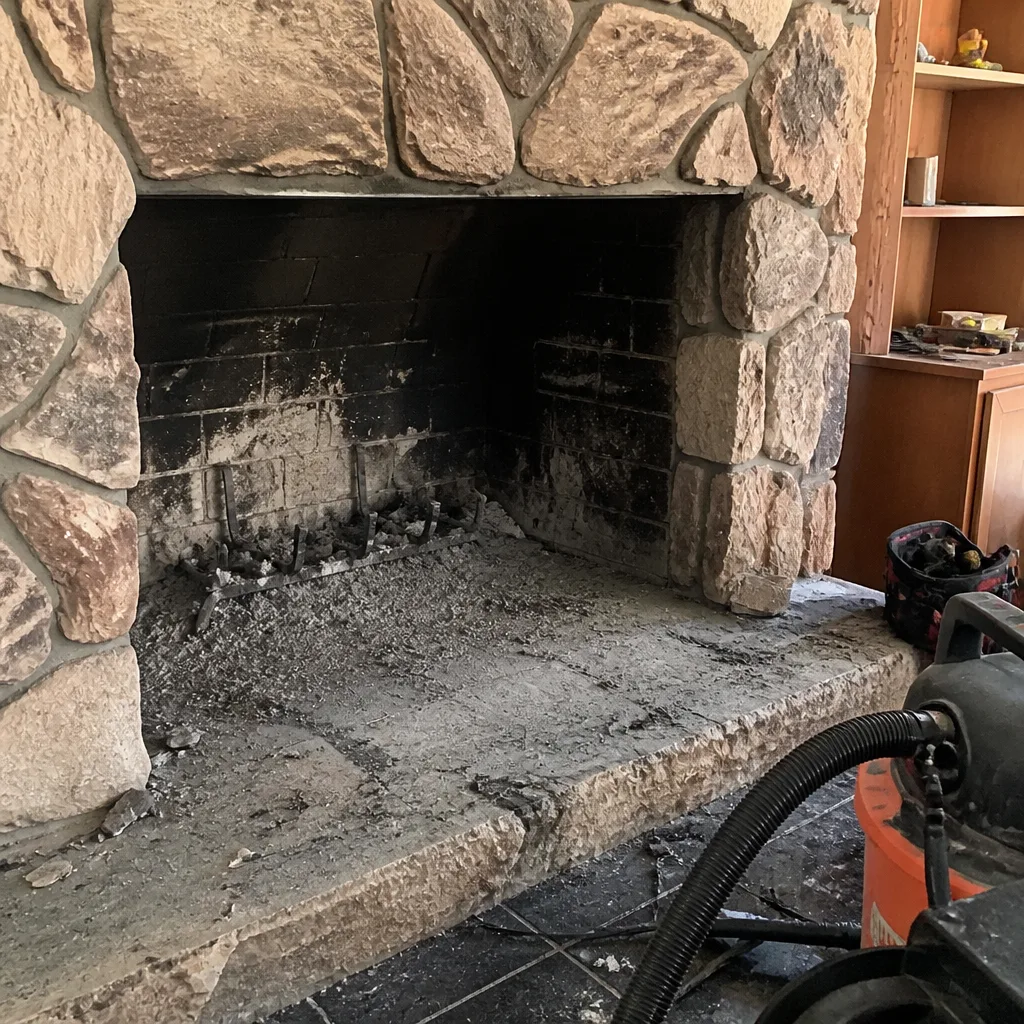 Before
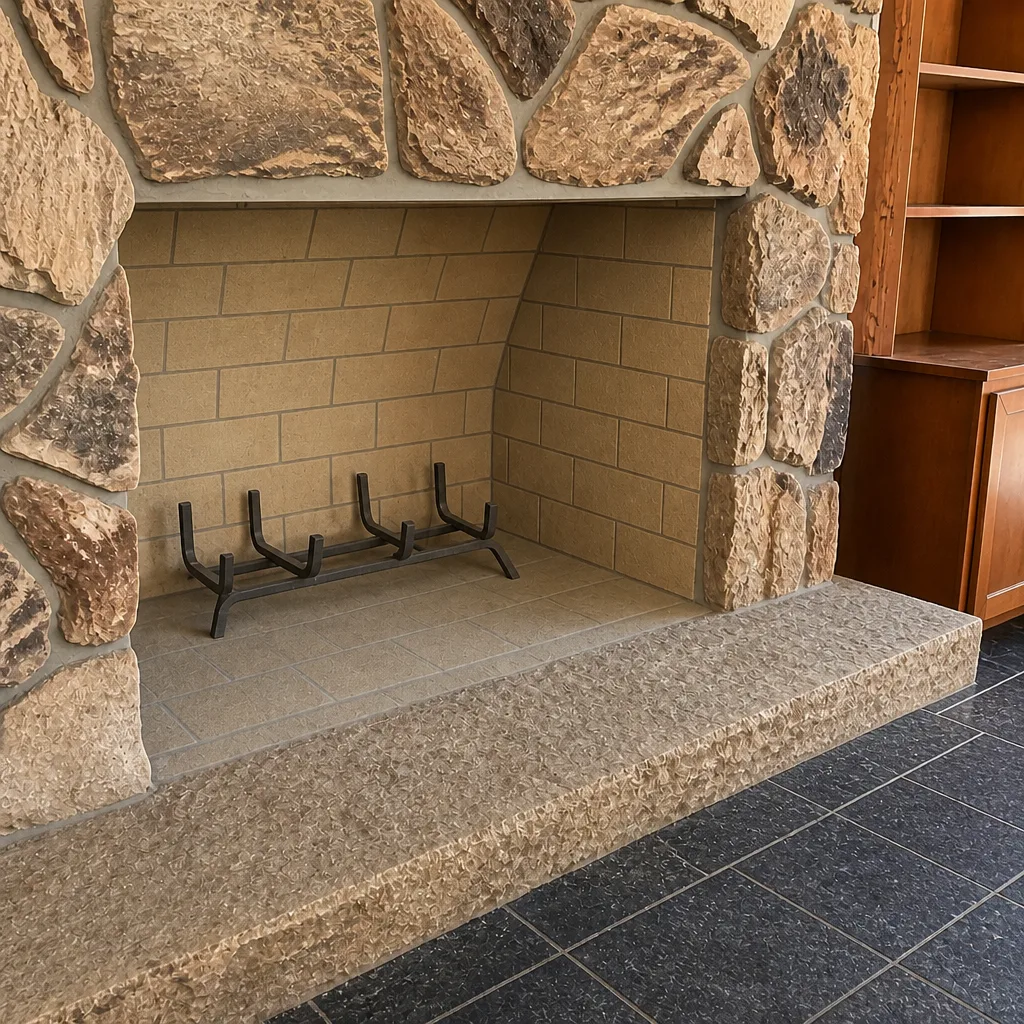 After
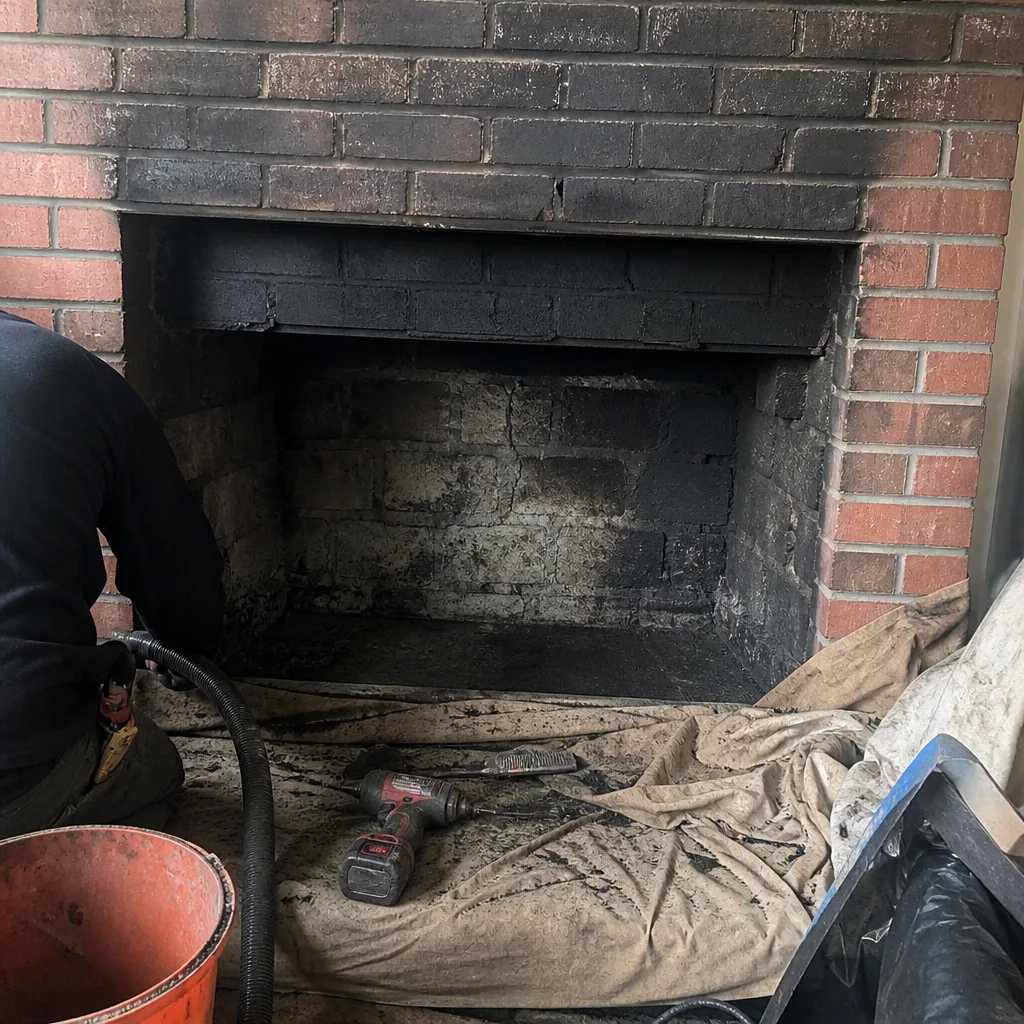 Before
 After
 Before
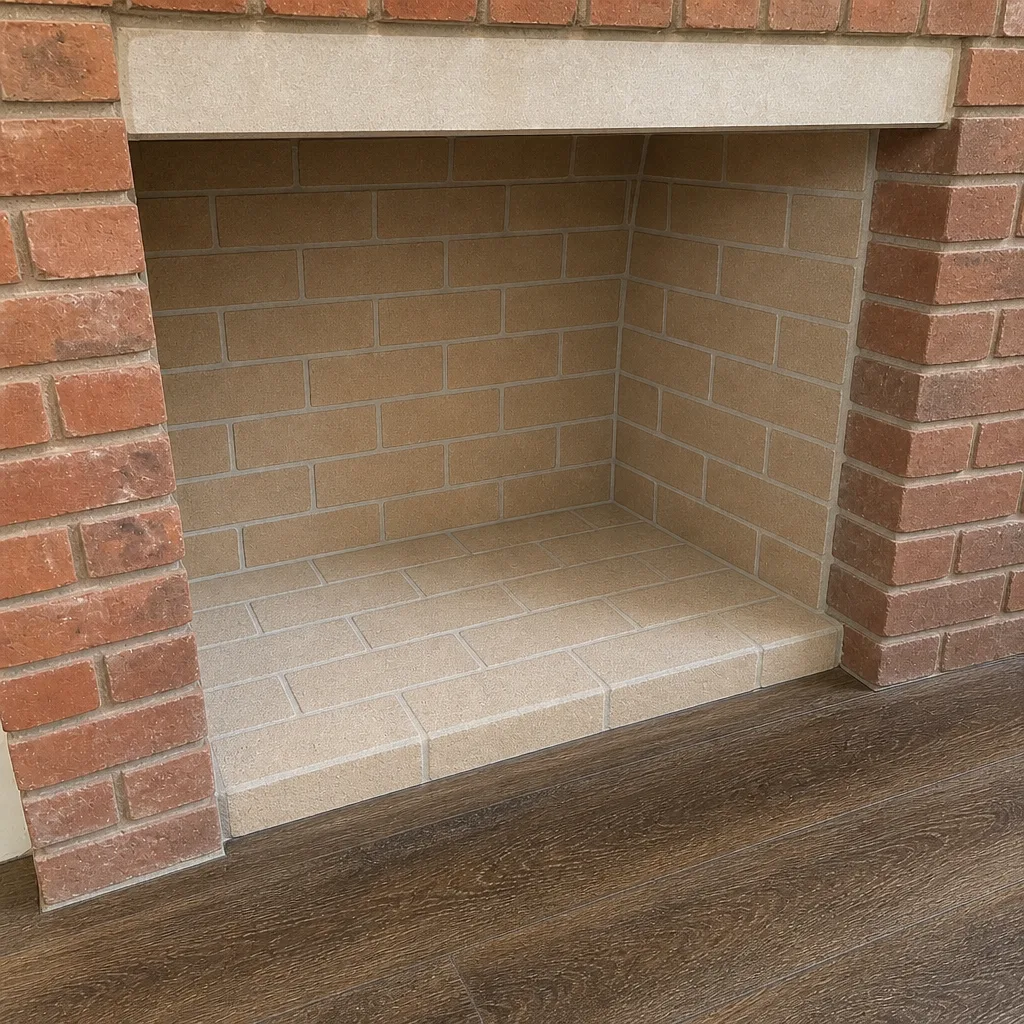 After
When to Call a Professional
Most of this checklist is about building a baseline and keeping an eye on things. Some situations skip the checklist and go straight to a call. Those include: any Stage 2 or Stage 3 creosote; a damper that won’t seat or feels loose; a crown that’s cracking or no longer shedding water; a cap that’s rusted through or shifted; spalling that’s visibly progressed since last year; any stain on a ceiling or wall near the chimney; and a liner that a previous inspection flagged. If you’re overdue for a sweep and don’t have a baseline yet, that’s the call too, because the first professional visit is where the baseline starts. Chimney Sweep Antioch offers free estimates in Antioch. Call (844) 352-4625. We answer 24/7. Fast dispatch from 7am to 7pm, Sunday through Friday. You can also read more about chimney repair if a checklist item has already turned into a job.
Frequently Asked Questions
Once a year is the standard for a wood-burning fireplace in regular use, and that annual sweep is also where your baseline gets recorded. If you burn heavily or notice higher-stage creosote, more frequent sweeping is worth discussing. Gas and oil appliances have their own venting check cycles, which a professional can set for you. Call (844) 352-4625 for an exact quote – estimates are free.
You can do the visual checks and keep the log, and you should, but those don’t replace the sweep or the inspection. The checks tell you what to look at; the sweep clears creosote the checks can’t reach, and the inspection confirms the creosote stage and the condition of the flue and smoke chamber. The two work together.
Stage 1 is soft and brushable, Stage 2 is harder and bonded, and Stage 3 is a glazed, tar-like coating that can’t be brushed off. The stage determines how the chimney is cleaned and how urgently it needs attention. Stage 3 is the one that shouldn’t wait. A camera inspection is how you find out which stage you’re actually in, because the firebox view doesn’t show the full flue.
Yes, and in Antioch the exterior check is arguably the more important half. Mild, wet winters mean rain drives exterior damage slowly and invisibly. A chimney can look fine from the ground and still have a crown that’s stopped shedding water. Checking and photographing the crown, cap, flashing, and stucco each year is what catches it before it reaches the interior.
Date, findings, creosote stage, photos, and any recommendations with your decision on each. The log should stay with the home, not with a single contractor, so any future technician has a real service history to work from. A written record kept with dated photos is what makes year-over-year comparison possible.
Resurfacing with HeatShield can restore a deteriorating liner surface without the cost of a full reline, and it’s the right call when the liner’s structure is sound but the surface has broken down. A full reline is the answer when the liner itself is compromised. The decision needs camera evidence you can see, and we’ll walk you through which you need. Call (844) 352-4625 for an exact quote – estimates are free.
We do. We work with professional-grade brands like DuraFlex, HeatShield, Gelco, Olympia Chimney, Famco, and Copperfield, because it matters what goes into your chimney. You can read more about our work in Antioch and see how the full service fits together.
The Bottom Line
A chimney maintenance checklist is only as good as the record behind it. The visual checks, the annual sweep, the camera inspection, and the log all serve one purpose: giving you a baseline so you can tell whether your Antioch chimney is holding steady or slowly degrading. The exterior gets its own attention because rain, not cold, is the pressure here. The interior gets its own attention because creosote stage determines what’s needed. And the log is what ties the years together. Without it, every inspection starts from zero. With it, you and your technician both have a real picture to work from. Use the list, keep the record, and call when something is new. That’s it.
If you’re due for a sweep, or you want a baseline on record for the first time, we can help. Call (844) 352-4625 for a free estimate. We answer 24/7. Fast dispatch from 7am to 7pm, Sunday through Friday.
Written by the team at Chimney Sweep Antioch.