
Last updated November 16, 2026
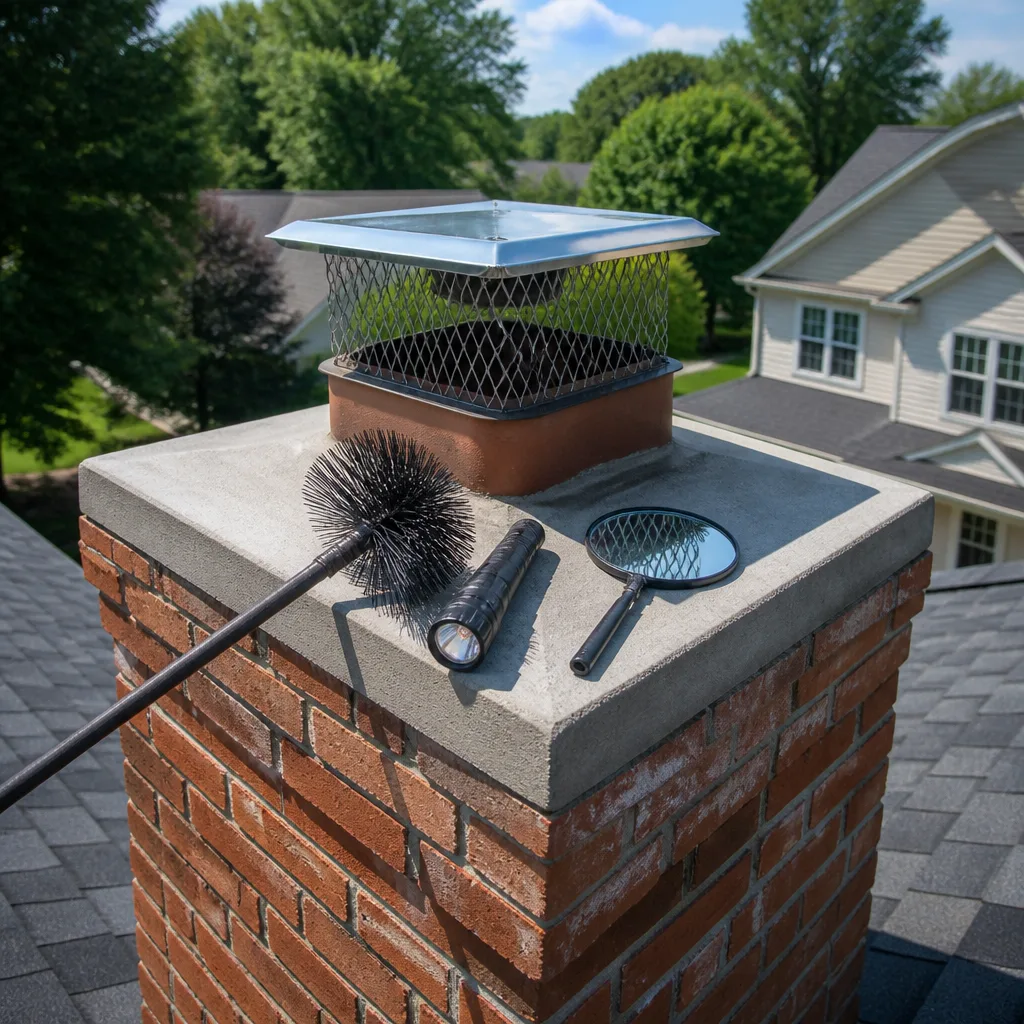 Sweep & inspection
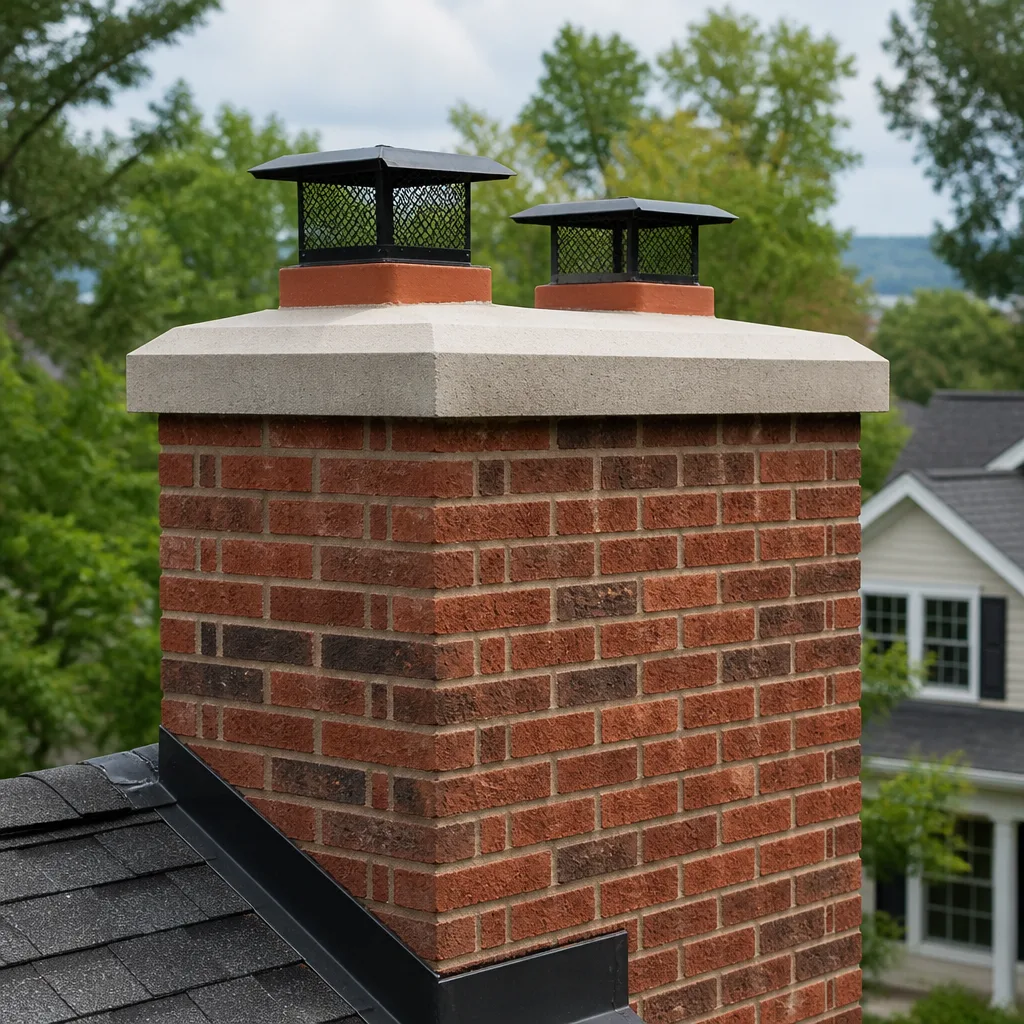 Caps & crowns
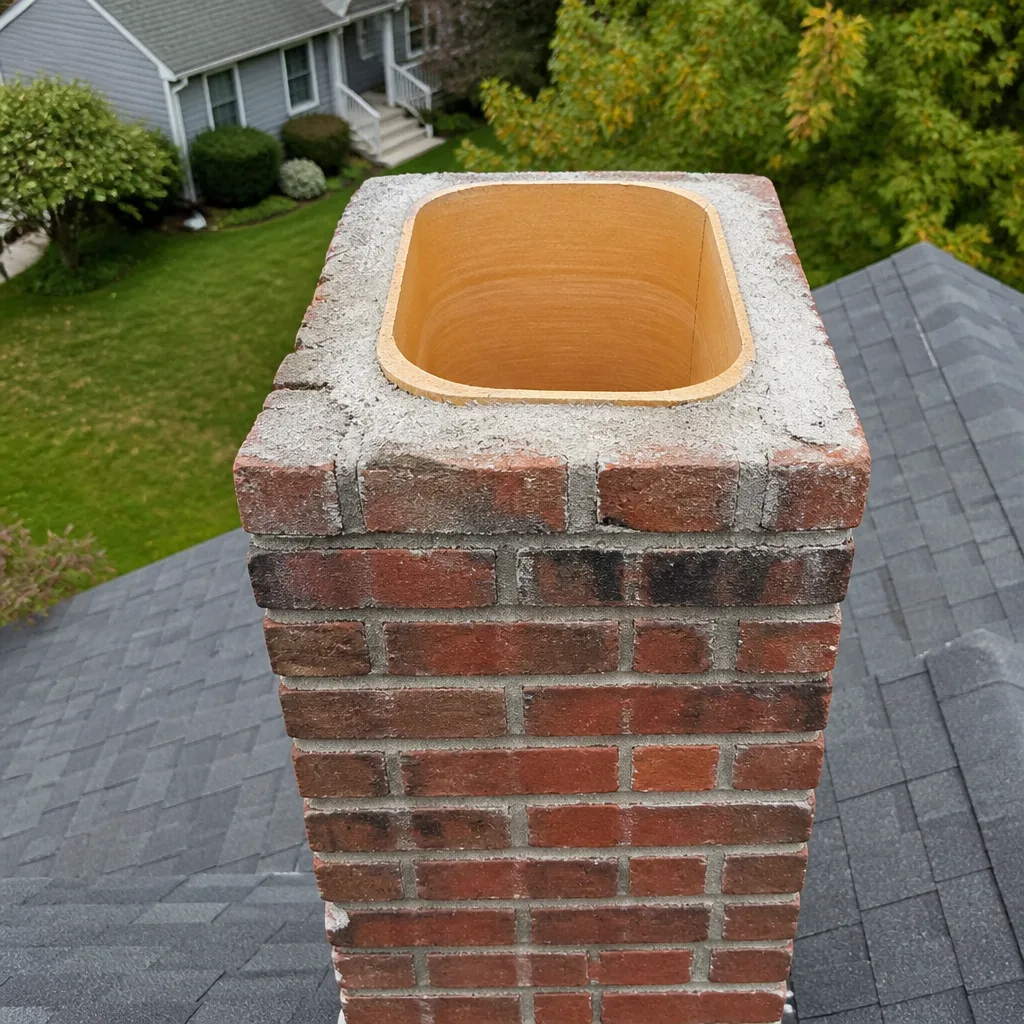 Flue relining
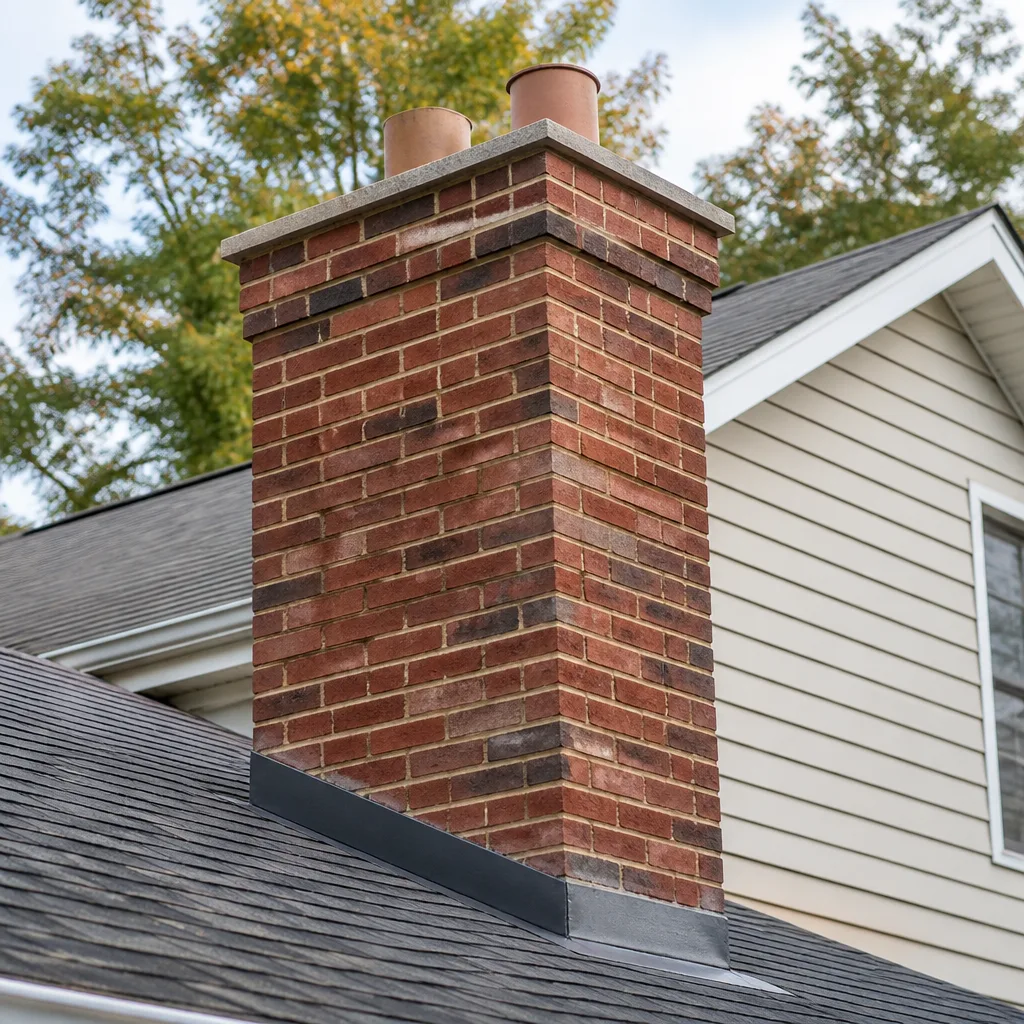 Masonry repair
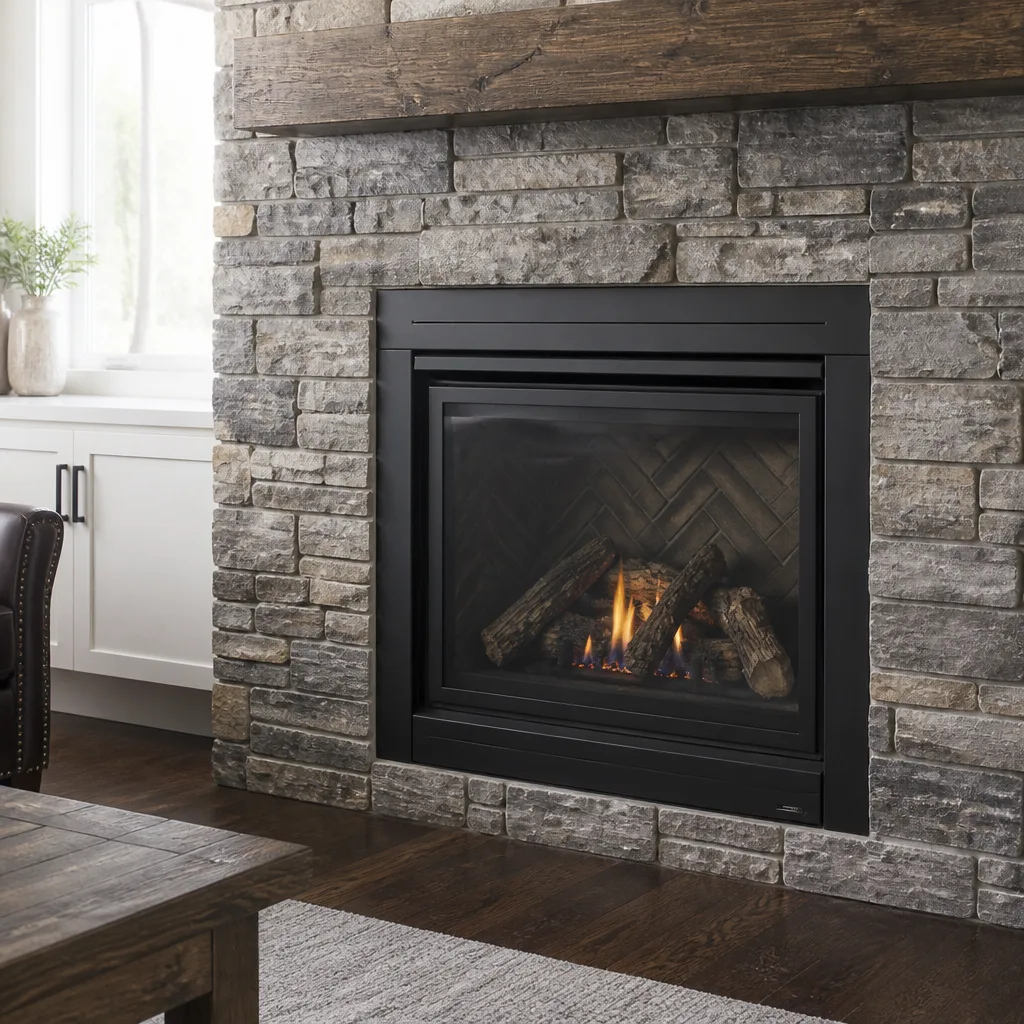 Gas fireplace service
Level 1 sweep and inspection to the NFPA 211 annual standard - flue, crown, cap, and flashing checked and photographed
Chimney sweep logs do not sweep chimneys. They loosen some creosote - which then falls where a brush and vacuum still have to collect it.
Chimney Sweep Troubleshooting in Antioch: Common Problems and How to Fix Them
Most homeowners troubleshoot their fireplace from the wrong end. They crouch at the firebox, peer up the smoke chamber, and assume the problem starts where the fire does. In our experience, the real origin is almost always higher up and further out – in the flue liner that carries the smoke away or at the crown that keeps the rain off it. A chimney is a system, and the firebox is just the entry point. This guide maps the symptoms you can see from your living room to the parts you can’t, so a smoky fire, a rainy-day smell, or a draft that won’t pull stops being a mystery in Antioch.
Styles & brands we work with
- Sweep & inspection
- Caps & crowns
- Flue relining
- Masonry repair
- Gas fireplace service
Quick Answer
Chimney problems that look like draft trouble are usually one of four mechanical failures: a damaged or separated flue liner, a cracked crown letting water in, an oversized or missing cap, or a flue that’s the wrong size for the appliance. A standard sweep clears soot and creosote but won’t fix any of those. You need an inspection that can actually see the liner and crown, and repair capability to correct what it finds.
Table of Contents
- Symptom to Source: Mapping What You See to What’s Failing
- Why Antioch’s Delta Winds Create Phantom Draft Problems
- What a Level 2 Inspection Reveals That a Sweep Never Will
- HeatShield Resurfacing vs. DuraFlex Relining: Two Different Repairs
- Two DIY Checks You Can Safely Do Before Calling
- When to Call a Professional
- Common Mistakes to Avoid
- Frequently Asked Questions
Symptom to Source: Mapping What You See to What’s Failing
The single most common troubleshooting error is treating every chimney complaint as the same undifferentiated “chimney problem.” Smoke rolling into the room, a campfire smell after rain, and a fire that won’t light are three different failures with three different fixes. Matching the symptom to its mechanical origin is the first real step, and it’s the step most homeowners skip.
Here’s how the symptoms break down in our experience:
- Smoke spilling into the room on light-off: Usually an undersized flue, a cold flue that needs warming, or a partial blockage. Smoke spillback at startup that clears once the fire is burning is often about flue temperature, not a hole in the liner.
- Smoke spillback that never clears: Points at a liner that’s separated, collapsed, or crumbled – the smoke has nowhere to go but back into the room. This is a repair problem, not a sweeping problem.
- Odor after rain (the “wet campfire” smell): A liner or crown sealing failure. Water is getting past the crown, the cap, or a cracked flue tile and mixing with creosote deposits. Sweeping alone won’t touch it.
- Odor in warm weather with no fire: Negative pressure pulling air down the flue, often combined with trapped creosote odor. The house is drawing from the chimney because the chimney is the easiest path for air.
- Brown or white moisture staining on the ceiling or firebox: Water intrusion from above – a cracked crown, a failed cap, or deteriorating flashing at the roofline.
- A draft that works some days and not others: Pressure and sizing, not damage. Wind patterns and competing exhaust fans are the usual culprits.
Notice that only one of those six is a soot-and-creosote story. The rest are liner, crown, cap, or pressure failures. That’s the whole point of troubleshooting before booking: know which failure you’re dealing with so the right trade shows up with the right fix. For homeowners in Antioch, the local weather pattern adds a seventh variable that confuses everything.
Why Antioch’s Delta Winds Create Phantom Draft Problems
Antioch sits at the western edge of the Sacramento-San Joaquin Delta, and the Delta wind is a daily feature here, not a seasonal event. Afternoon breezes funnel up the river corridor and press against the rooflines and chimneys of homes near the waterfront and along the bluff. That steady pressure does something specific to a fireplace: it creates negative pressure events that mimic liner damage when the liner is perfectly fine.
Here’s what that looks like. A fire draws fine in the morning. By mid-afternoon, when the Delta breeze picks up, smoke starts curling back into the room. The homeowner assumes the flue has collapsed. Often it hasn’t. What’s happening is that the wind is pressurizing one side of the house and depressurizing the other, and the chimney – the tallest opening in the structure – becomes the path of least resistance for air being pushed into the home. The fire loses the draft battle to a stronger pressure force.
Three things separate a real liner problem from a Delta-wind pressure problem:
- Timing. If smoke spillback tracks the afternoon wind rather than the strength of the fire, suspect pressure, not damage.
- A cap check. An undersized, missing, or wrong-type cap lets wind drive straight down the flue. A properly sized cap from a line like Gelco or Olympia Chimney deflects the cross-draft instead of swallowing it. This is one of the most overlooked exterior fixes we encounter in Antioch.
- Flue sizing. An oversized flue – common in older fireplaces originally built for a larger firebox – can’t stay warm enough to maintain draft, so even a modest wind tips it over the edge.
The fix for a phantom draft is rarely a reline. It’s usually a cap, a flue sizing correction, or a draft-improvement measure. But you can’t tell which without seeing the full system. A sweep that only goes up from the firebox can’t evaluate the cap or the roofline. That’s where the next section comes in.
What a Level 2 Inspection Reveals That a Sweep Never Will
A Level 2 inspection is the difference between cleaning a chimney and actually reading it. A standard annual sweep clears soot and creosote from the accessible flue. A Level 2 inspection goes further: it evaluates the entire system – flue, liner, smoke chamber, crown, cap, and the connections – often with a camera. If your problem is a hairline crack in a flue tile two stories up, a brush and a flashlight from the fireplace won’t find it.
In our experience, here’s what a Level 2 turns up that a visual sweep misses:
- Gaps and separations between flue tiles that a flashlight from the firebox can’t see past the first bend.
- Cracked or spalling liner surfaces – the flaking and crumbling that signals the liner is failing from the inside out.
- A crown that’s cracked, spalled, or pulling away from the flue, which is the entry point for the rain-driven odor problem.
- Improper appliance connections, especially on gas inserts and oil or gas heating appliances that tie into a flue built for wood.
- Obstructions – nests, debris, or a collapsed liner section – that reduce draft without fully blocking it.
So when do you need a Level 2 versus a standard annual clean? The industry guidance we follow is straightforward. A standard annual sweep and visual check is the baseline for a wood-burning fireplace in normal use. A Level 2 is warranted when you’ve changed anything about the system – a new appliance, a new liner, a new home to you – or when you’ve had a chimney fire, an earthquake, or a weather event. It’s also the right call any time you have a symptom from the section above that a clean didn’t resolve.
For an Antioch homeowner whose smoke spillback or rain odor didn’t go away after a routine sweep, a Level 2 is the next step, not a repeat sweep. The point of the inspection is to produce findings that can actually be remediated. An inspection without repair capability is just a referral. Chimney Sweep Antioch offers all three core services – chimney sweep, inspection, and chimney repair – so the findings don’t get handed off to someone else.
HeatShield Resurfacing vs. DuraFlex Relining: Two Different Repairs
Here’s where a lot of homeowners get steered wrong. They’re told they need a “new liner,” full stop, when the actual failure might be a surface problem that a resurfacing repair can address for far less. The two repairs fix two different things, and knowing which you need changes the cost and scope significantly.
The distinction comes down to how the liner is failing:
- Spalling and surface deterioration: The liner material is flaking, crumbling, or pitted, but it’s still structurally in place. The tile or clay is largely where it should be – it’s just breaking down at the surface. This is where HeatShield resurfacing applies. It restores the liner’s interior surface and seals the flaking without pulling the old liner out. It’s a repair-tier fix that extends the life of the existing liner, and it’s a capability many sweep-only companies simply don’t have.
- Full separation or collapse: The liner has actually come apart – tiles separated with visible gaps, sections missing, or the whole liner compromised. Resurfacing can’t fix a gap that’s structurally open. This is where a full reline is the answer, and a flexible liner system like DuraFlex is the tool. DuraFlex allows the technician to specify and install a properly sized flexible liner that solves both the separation problem and any undersizing, without tearing the house apart.
Spalling is a resurface. Separation is a reline. Those aren’t interchangeable, and a company that only offers one will push the one it has. In our experience, the honest answer sometimes is that HeatShield is enough and a full reline is unnecessary, and sometimes it’s the reverse. We name the products we use because you should know what’s going into your chimney. HeatShield and DuraFlex are professional-grade lines used by certified chimney specialists, and we’re authorized to work with both – which is why we can tell you which failure mode you actually have and match the repair to it rather than the other way around. It’s also why we round out the exterior with cap and venting components from Gelco and Olympia Chimney, so the repair you pay for inside isn’t undermined by a missing or failed cap outside.
Two DIY Checks You Can Safely Do Before Calling
You don’t need to climb on the roof or reach into the firebox with a tool to do useful troubleshooting. Two simple, safe checks will tell you and the technician a lot before anyone sets foot on the property. Neither requires opening anything, and neither puts you near the dangerous parts of the system – the flue, the liner, and the roofline all stay off-limits, because those are where a trained professional belongs and where real injury happens.
Check 1: Damper operation.
- With no fire in the firebox, reach up and operate the damper by its handle.
- The damper should open and close fully and smoothly, and stay where you put it.
- A damper that sticks, hangs open, won’t close, or binds is a sign of carbon buildup, warping, or debris. Note whether it’s fully open before you light any fire – a partially closed damper is one of the most common causes of smoke spillback.
Check 2: The firebox smoke-chamber draft test.
- Make sure the damper is fully open and the firebox is cold and empty.
- Light a single match or a small rolled paper taper and hold it near the top of the firebox opening, below the damper.
- Watch the smoke. If it draws straight up and out of the firebox cleanly, draft is working. If it lingers, curls back toward the room, or drifts sideways, draft is weak or reversed – a real finding worth reporting.
Write down what you observed: when it happens, whether it’s tied to wind or rain, and which check flagged the issue. That’s the kind of specific symptom description that lets a technician show up prepared instead of guessing. And if a check ever suggests something inside the flue is physically damaged or blocking the path, stop there. Don’t try to reach in – call for a professional evaluation.
When to Call a Professional
Some problems are worth a call sooner than others. If you’ve done the two DIY checks and the draft test failed consistently, or if you’re seeing moisture staining on the ceiling, the firebox, or the smoke chamber, call. If your smoke spillback only happens when the Delta wind picks up, a cap or sizing evaluation is the call. If you’ve had a chimney fire – even a small one you think burned itself out – a Level 2 inspection is the call, no exceptions, because a chimney fire can crack or separate the liner in ways you can’t see. And any time a prior sweep or inspector told you a repair was needed but couldn’t do the work, that’s the call: get a second look with repair capability attached.
Chimney Sweep Antioch offers free estimates in Antioch. Call (844) 352-4625 to book an inspection, a sweep, or a repair evaluation. Our technicians have up to 15 years of experience with the same professional-grade product lines full-service chimney contractors specify.
Common Mistakes to Avoid
- Assuming every chimney problem is a creosote problem. Soot and creosote are real, but a proper sweep won’t fix a separated liner, a cracked crown, or an oversized flue. If the symptom is one of those, a cleaning alone leaves the actual failure in place.
- Booking the cheapest sweep and stopping there. A sweep without an inspection is guesswork, and an inspection without repair capability is just a referral. You want one accountable service for the whole system.
- Ignoring the cap. In a Delta-wind town like Antioch, an undersized or wrong-type cap is a leading cause of draft problems that get misdiagnosed as liner damage. Budget a cap check into any troubleshooting visit.
- Assuming you need a full reline before someone checks for spalling. A HeatShield resurfacing can restore a deteriorating liner without a full reline. Get the failure mode identified before agreeing to the biggest repair on the menu.
- Burning a fire to “test” a chimney you suspect is blocked. If the draft test failed or you suspect a blockage, lighting a fire is the wrong move. Get it evaluated first.
- Treating a rainy-day smell as a draft issue. A campfire smell after rain is a liner or crown sealing failure. Sweeping alone won’t fix it, and neither will opening a window.
- Putting off the annual sweep because the fire “seems fine.” Creosote buildup and early liner deterioration don’t announce themselves. An annual sweep and Level 2 check is the cheap way to catch a problem while it’s still a repair rather than a reline.
Frequently Asked Questions
Smoke spilling into the room is most often an undersized or cold flue, a partial blockage, or a liner separation – but in Antioch’s Delta wind, it can also be negative pressure driving air down the chimney even when the liner is fine. If the spillback tracks the afternoon breeze rather than the fire, suspect a cap or sizing issue. Call (844) 352-4625 for an exact quote – a camera inspection and photo report come with the visit.
That smell is a liner or crown sealing failure letting water mix with creosote deposits – not a draft issue. A cracked crown, a failed cap, or a hairline crack in a flue tile is the usual entry point, and sweeping alone won’t fix it. The repair is above the firebox, which is why an inspection that sees the crown and liner is the right first step. Call (844) 352-4625 to book an evaluation.
Once a year for a wood-burning fireplace in normal use is the baseline most chimney professionals follow, plus an inspection to check the liner and crown. If you burn often, or if you’ve had symptoms like spillback or odor, a Level 2 inspection is the right call sooner. Call (844) 352-4625 and we’ll walk you through what your situation needs.
It depends on how the liner is failing: spalling and surface deterioration can often be restored with HeatShield resurfacing, while full separation or collapse needs a DuraFlex reline. Those are two different repair modes, not interchangeable, and a company that only offers one will push the one it has. We’re authorized to work with both, so we can tell you honestly which you need. Call (844) 352-4625 for a free estimate.
A standard sweep clears soot and creosote from the accessible flue; a Level 2 inspection evaluates the entire system – liner, smoke chamber, crown, cap, and connections – often with a camera. A Level 2 is warranted when you’ve had a chimney fire, changed an appliance, moved into a new home, or had a symptom a routine clean didn’t resolve. Call (844) 352-4625 to book one.
Yes, two checks are safe: operate the damper to confirm it opens and closes fully, and run the firebox draft test with a lit match to see whether smoke draws up or curls back. Anything inside the flue, the liner, or the roofline stays off-limits – those are where a trained professional belongs. Call (844) 352-4625 with what you found and we’ll take it from there.
The Bottom Line
Chimney problems aren’t one problem. Smoke spillback, rainy-day odor, moisture staining, and draft failure each point at a different part of the system, and a sweep that only cleans the flue can’t fix most of them. In Antioch, the Delta wind adds a pressure variable that can mimic liner damage when the liner is sound – which is why a cap and sizing check belongs in any troubleshooting visit. From the Chimney Sweep Antioch team: match the symptom to the source, get a Level 2 when you have a real symptom, and match the repair mode – HeatShield resurfacing for spalling, DuraFlex relining for separation – to the actual failure. If you’re near our home base in Antioch, we’re glad to be the company that can do all three under one roof.
Call (844) 352-4625 for a free estimate on a sweep, inspection, or repair. Our technicians have up to 15 years of experience, and we’ll tell you honestly when work can safely wait.
Written by the team at Chimney Sweep Antioch.
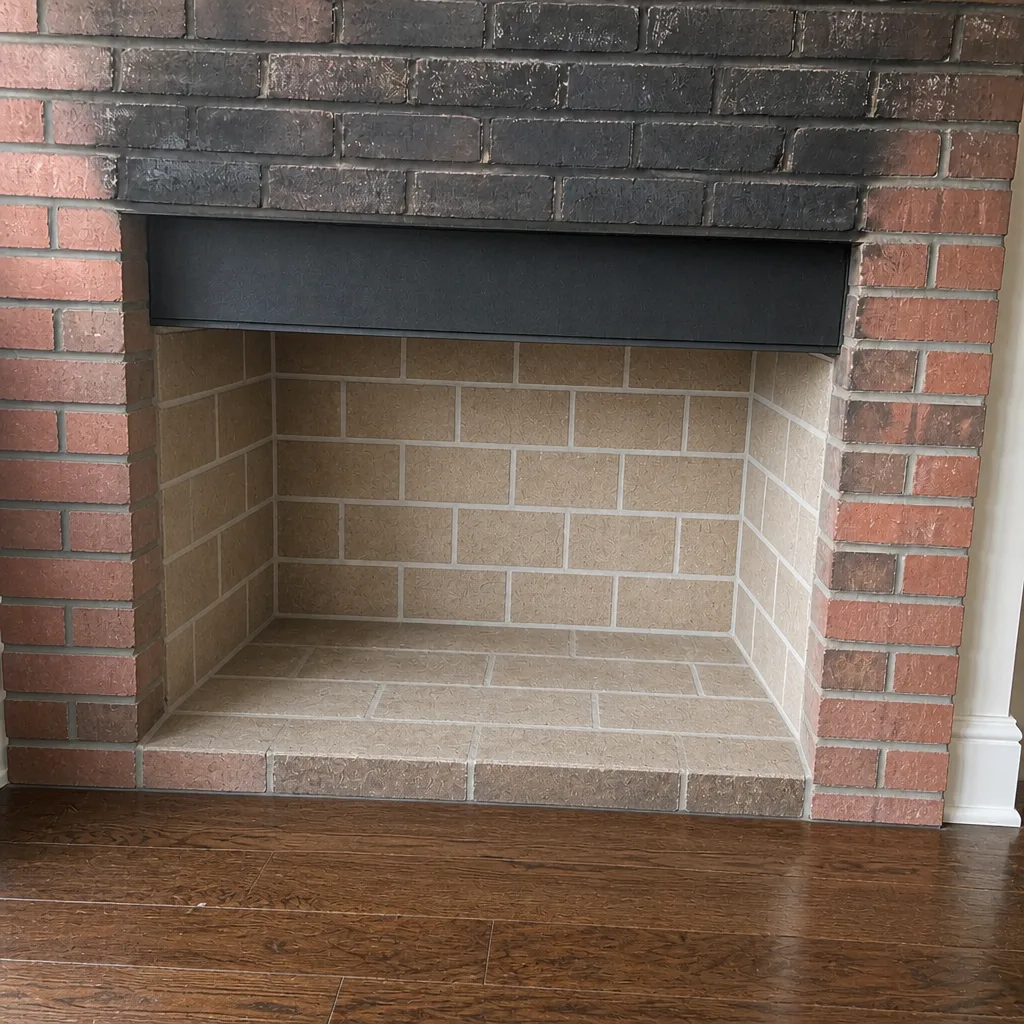
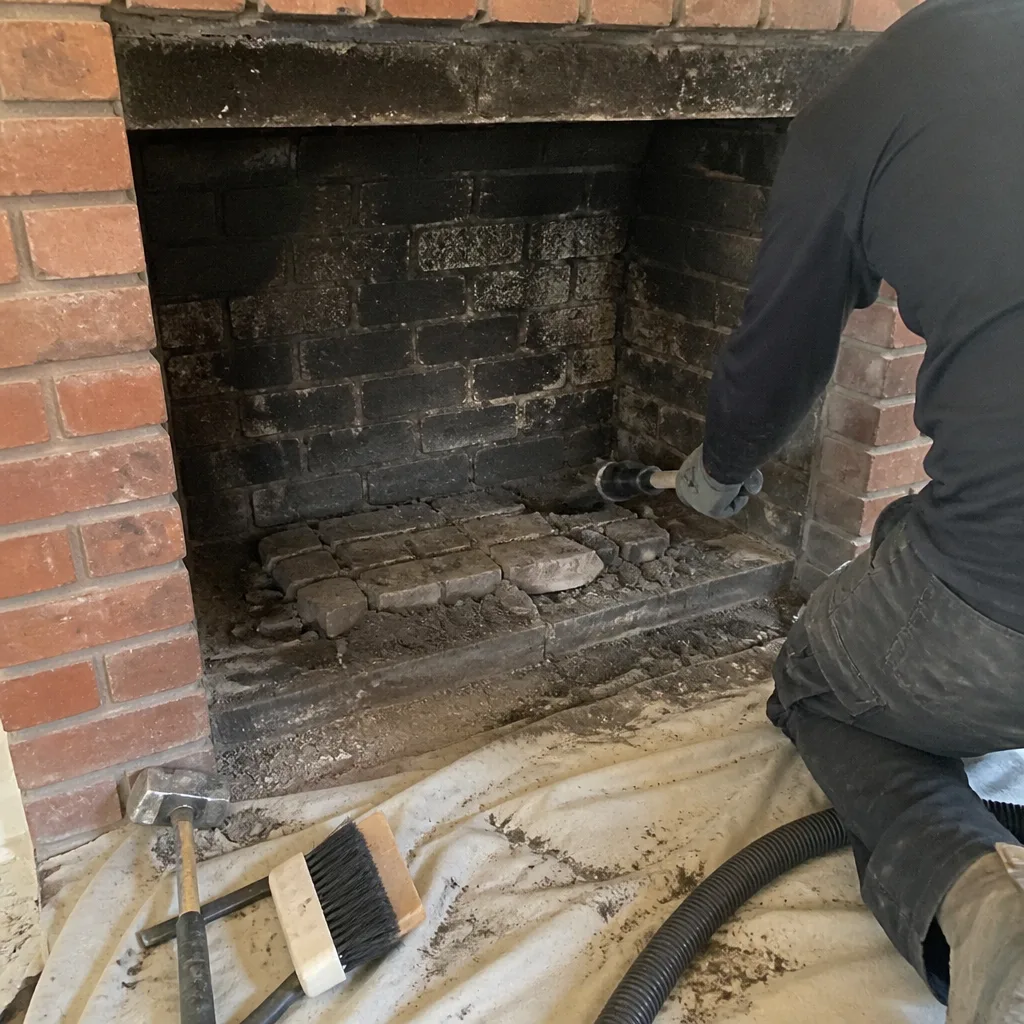
See the difference
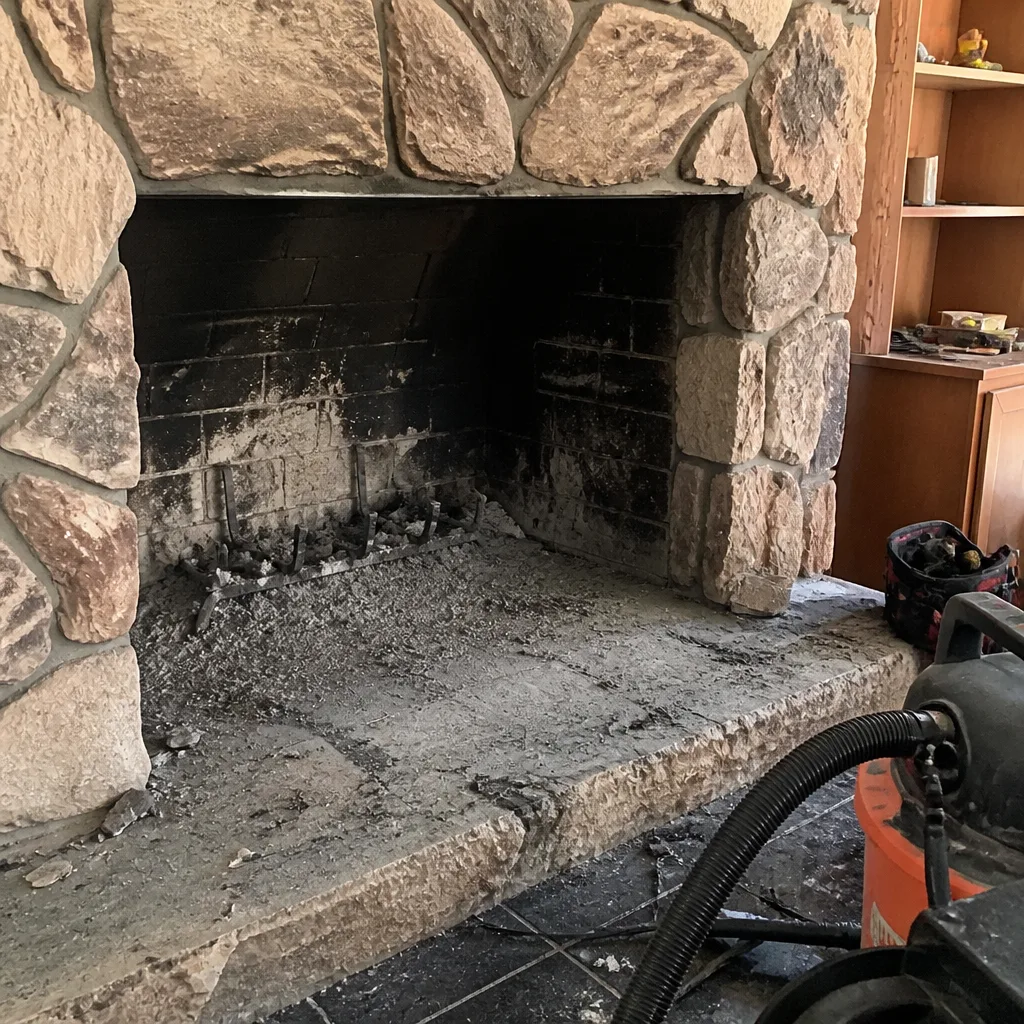 Before
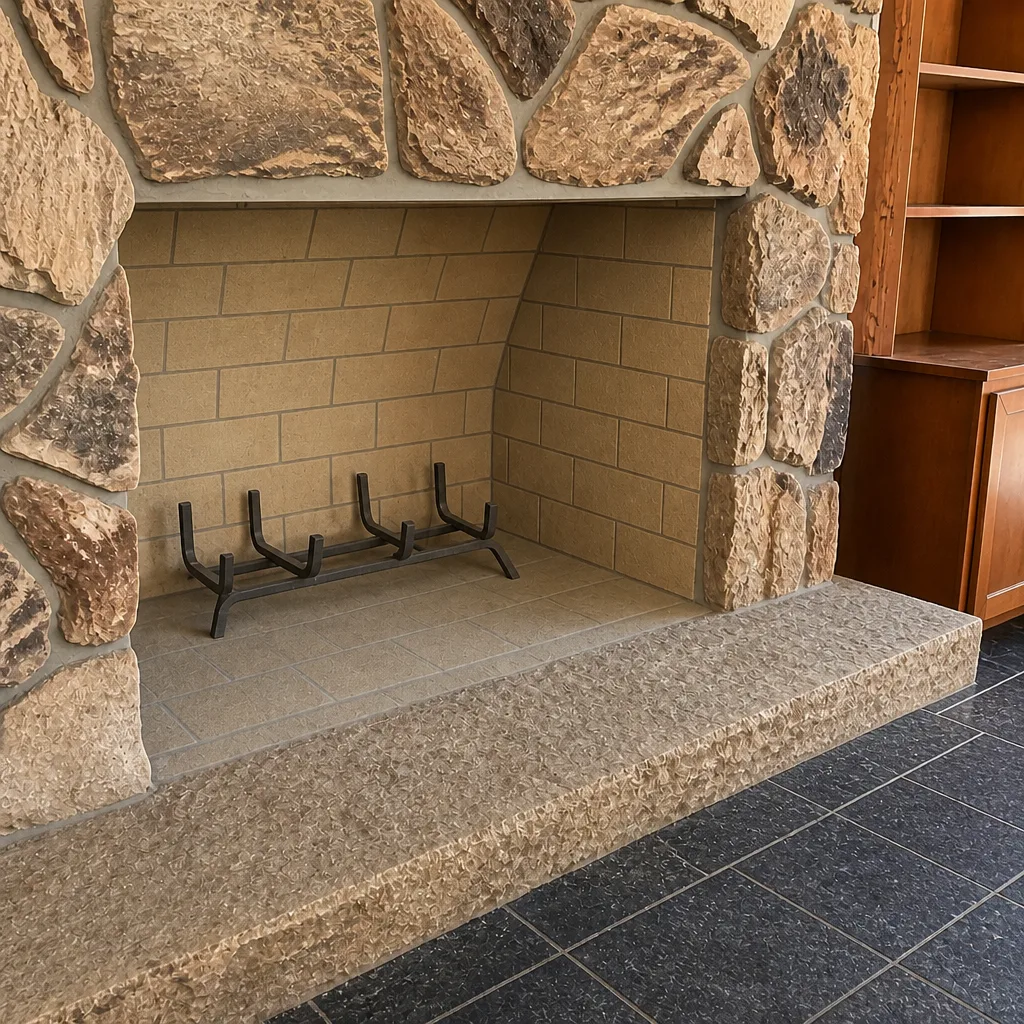 After
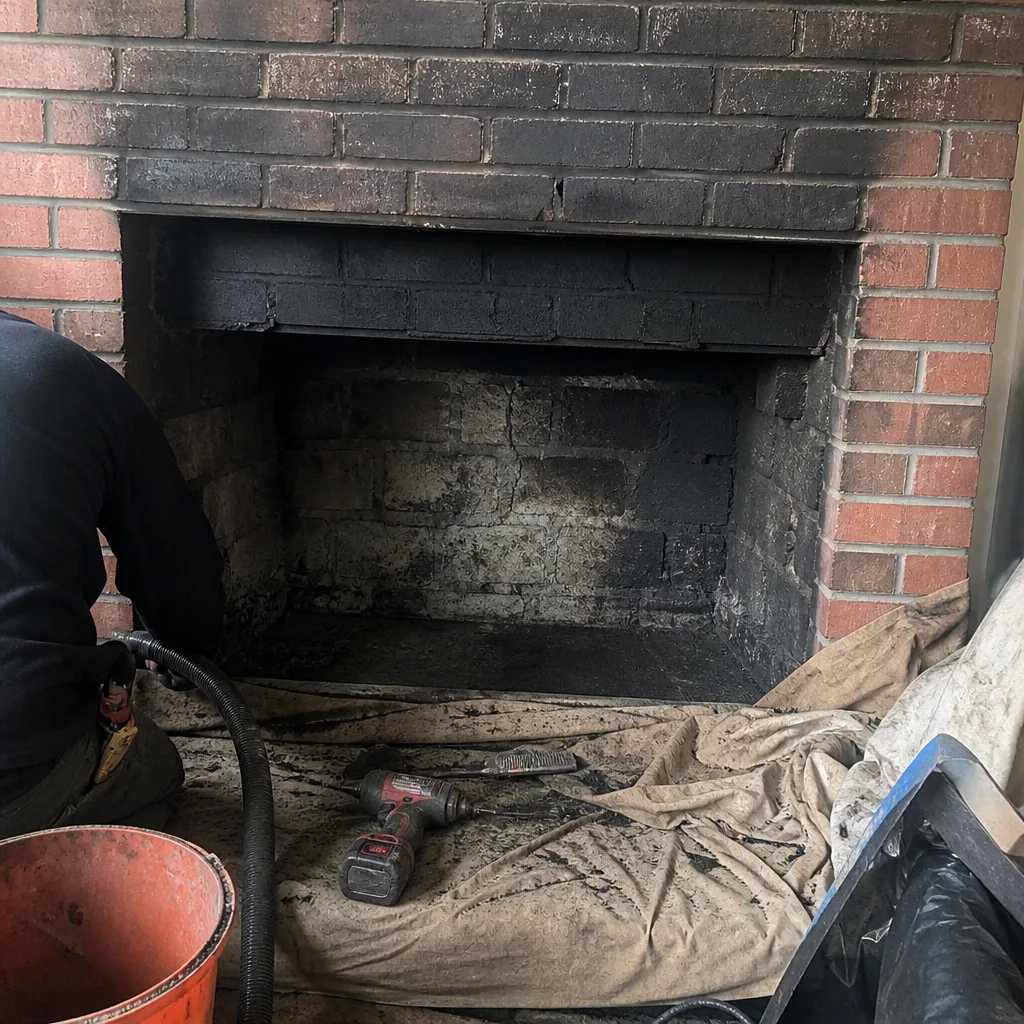 Before
 After
 Before
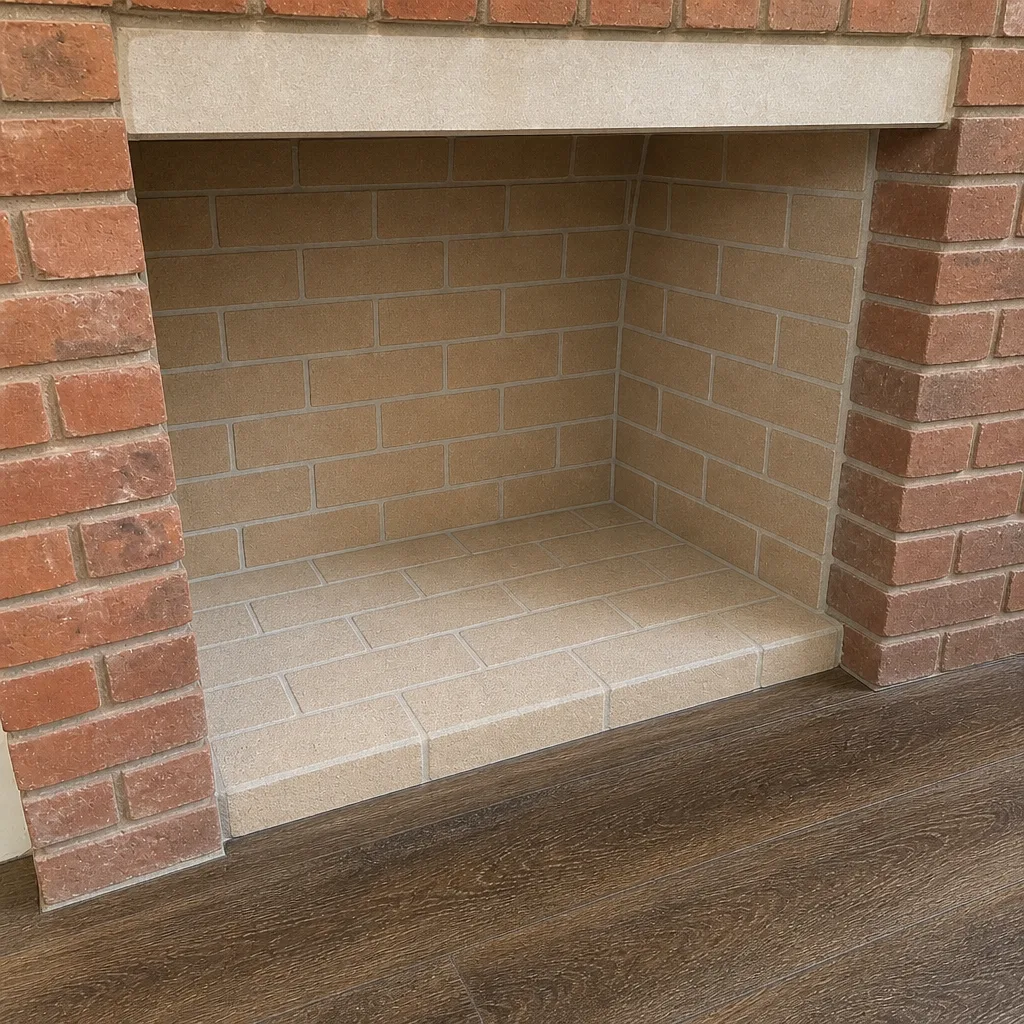 After