
Last updated November 16, 2026
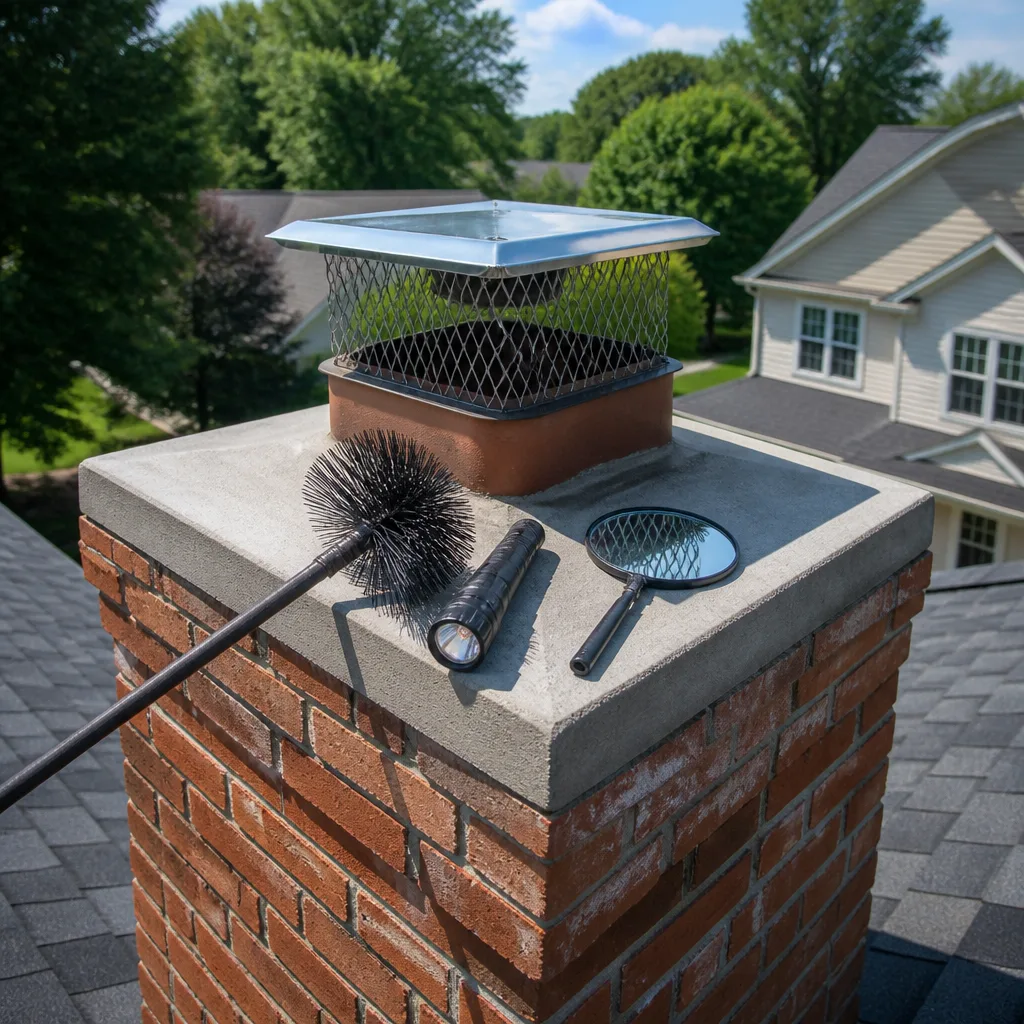 Sweep & inspection
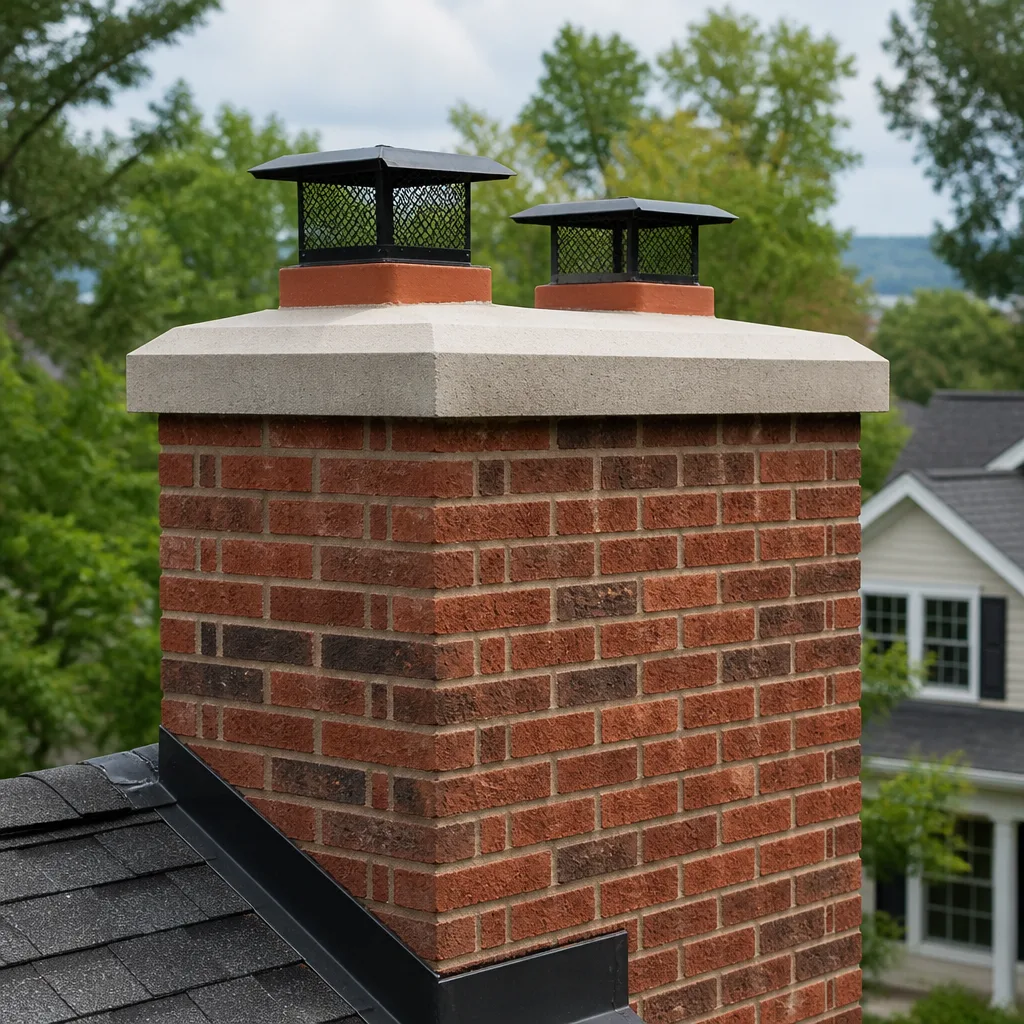 Caps & crowns
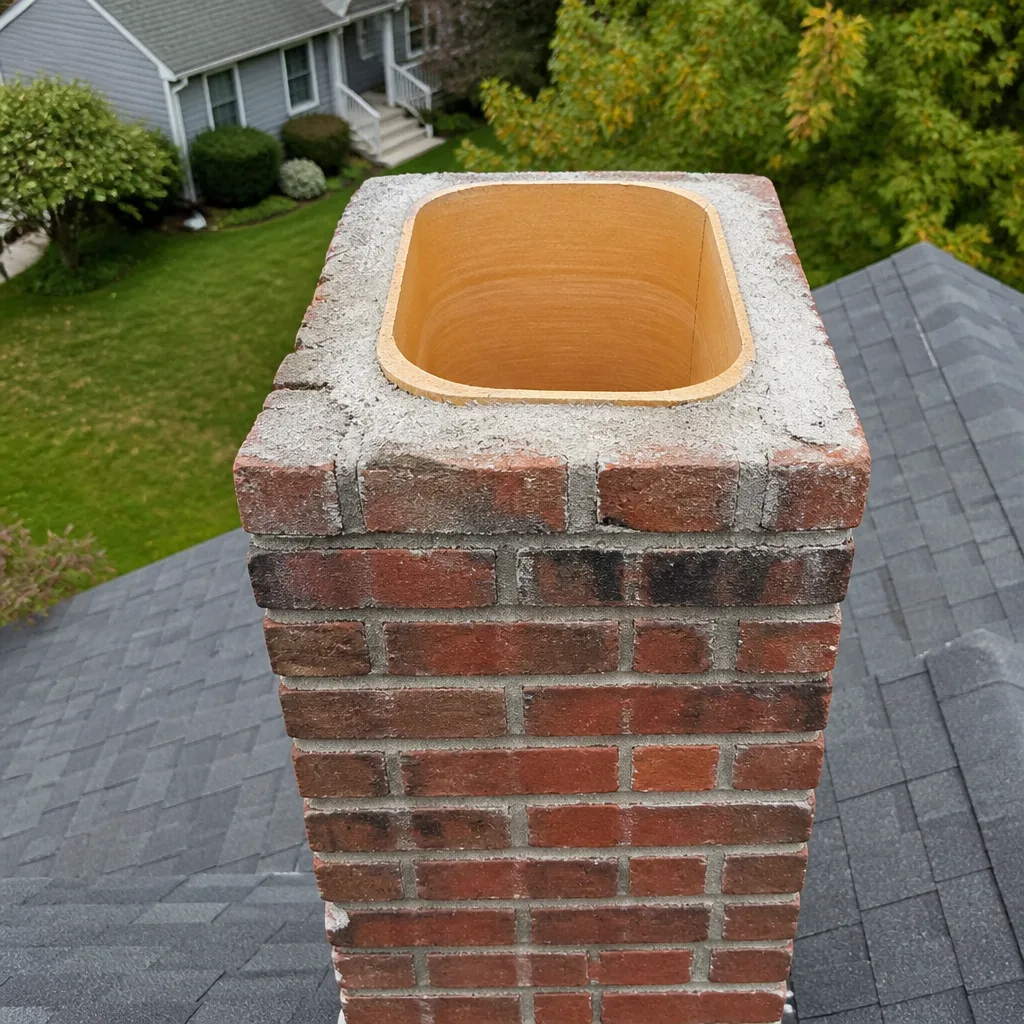 Flue relining
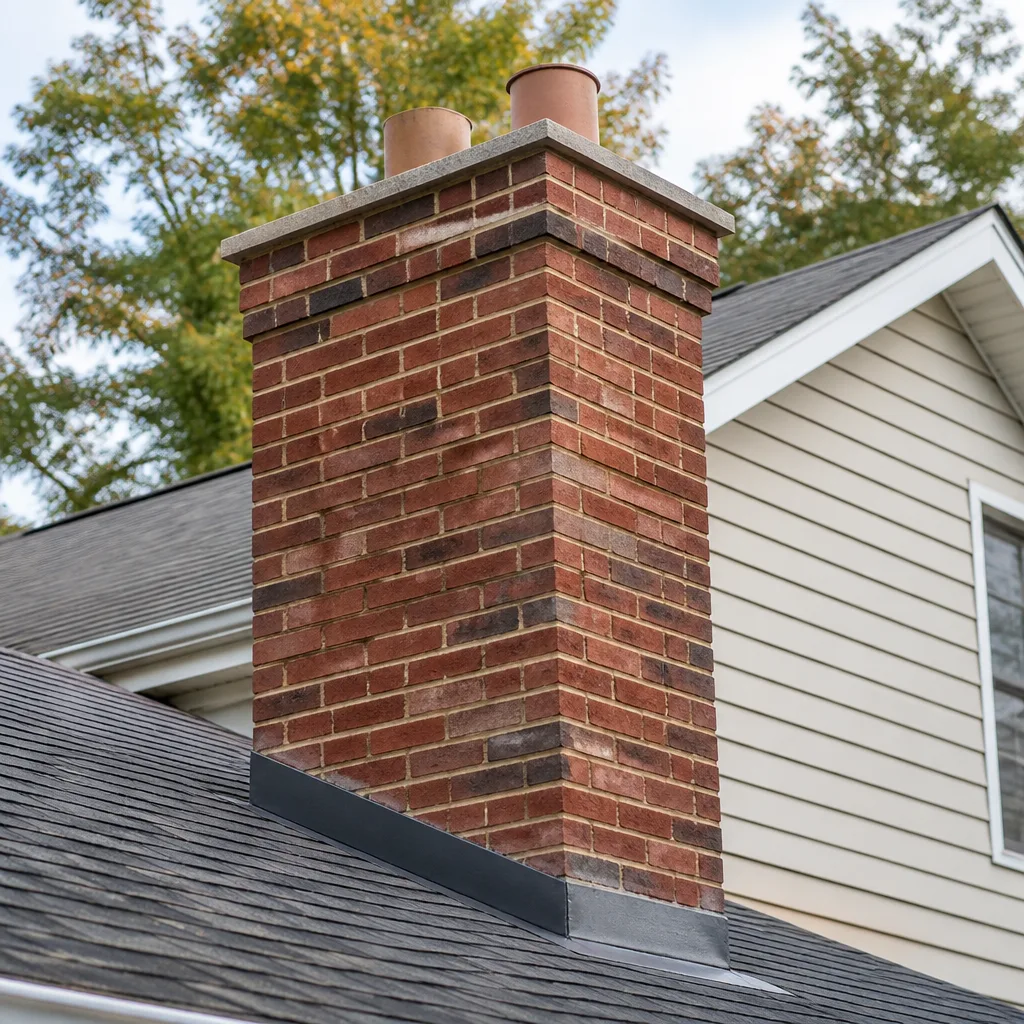 Masonry repair
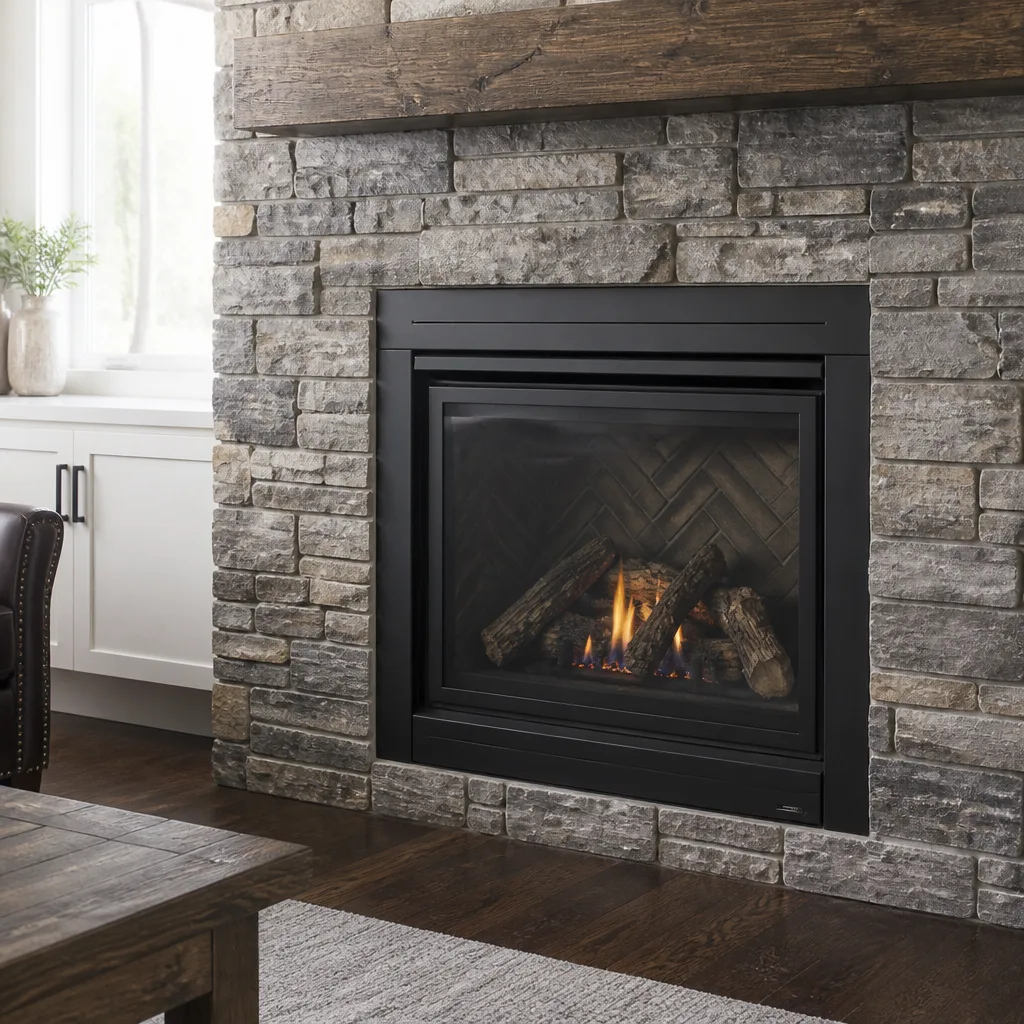 Gas fireplace service
Level 1 sweep and inspection to the NFPA 211 annual standard - flue, crown, cap, and flashing checked and photographed
Chimney sweep logs do not sweep chimneys. They loosen some creosote - which then falls where a brush and vacuum still have to collect it.
Chimney Cleaning Permits, Codes & Inspections in Antioch, CA: What You Need to Know
Most homeowners in Antioch assume chimney work is like gutter cleaning: call someone, they do the job, done. That assumption costs people real money. Cleaning and inspection don’t require a permit, but relining a flue, installing a new insert, or rebuilding damaged masonry usually does. And when a chimney fire claim lands on an insurance adjuster’s desk, the first thing they look for is the permit record. An unpermitted liner installed three years ago can turn a covered loss into a denied claim, not because of the fire itself but because of the paperwork that never existed. This guide explains which chimney services in Antioch need permits, how California code applies to solid-fuel appliances here, what a proper inspection report must contain, and what to do if you discover previous work was done without permits.
Quick Answer
In Antioch, routine chimney cleaning and inspection do not require a permit, but relining a flue, installing a gas or wood insert, replacing a firebox, or making structural repairs to the chimney typically does, and those permits are issued through the City of Antioch’s building department under Contra Costa County jurisdiction. Any new or replaced liner must meet UL 1777, and an inspection report documenting the flue’s condition per NFPA 211 standards is usually part of what the permit application requires. Skip the permit and you may save a fee but risk your insurance coverage if a fire claim is ever filed.
Styles & brands we work with
- Sweep & inspection
- Caps & crowns
- Flue relining
- Masonry repair
- Gas fireplace service
Table of Contents
- Which Chimney Services in Antioch Require a Permit?
- How Title 24 and Antioch Municipal Code Intersect for Solid-Fuel Appliances
- What a Level 2 Inspection Report Must Document Per NFPA 211
- Why UL 1777 Matters and How DuraFlex Liners Meet the Standard
- What to Do If Previous Chimney Work Was Done Without Permits
- How Antioch’s Climate and Housing Stock Affect Chimney Work
- Why Inspection and Repair Should Come From One Company
- When to Call a Professional
Which Chimney Services in Antioch Require a Permit?
Cleaning and inspection are maintenance. Relining, insert installation, and structural repair are construction, and construction in Antioch falls under the City of Antioch building department and Contra Costa County code enforcement. That single distinction explains most of the confusion homeowners run into when someone quotes them a liner replacement and never mentions permits.
No permit required
- Chimney sweeping, regardless of how much creosote is removed
- Level 1, Level 2, or Level 3 inspections
- Cap replacement, using standard caps such as those from Gelco or Famco
- Crown repair when it’s surface-level patching, not structural rebuilding
- Damper replacement or repair
- Minor mortar repointing on the exterior
Permit required
- Full flue relining, whether with a stainless flexible liner or a cast-in-place system like HeatShield
- Installation of a wood insert, gas insert, or freestanding solid-fuel appliance
- Firebox replacement or reconstruction
- Chimney demolition or rebuild of the stack or the smoke chamber
- Converting a wood-burning fireplace to gas or the reverse
- Structural repairs to the chimney chase or foundation
The same work probably needs a permit in most California cities, so if you’re ever unsure, a call to Antioch’s building department settles it in five minutes. We’ve talked to enough homeowners who discovered mid-project that their contractor never pulled a permit to know it’s worth asking before the work starts. Permit fees themselves are modest. The exposure from skipping one is not.
How Title 24 and Antioch Municipal Code Intersect for Solid-Fuel Appliances
California’s Title 24 energy code applies to chimneys indirectly but significantly. When you install a new wood or gas appliance in Antioch, the installation has to meet both Title 24 energy efficiency rules and the local building code that governs solid-fuel appliances. The two intersect most visibly on venting, combustion air, and appliance efficiency.
Here’s how the intersection plays out in practice:
- Appliance efficiency. New wood-burning appliances installed in California must meet EPA emission standards, which generally means a modern catalytic or non-catalytic stove rather than an older open fireplace design.
- Venting. The venting system has to be sized to the appliance, typically following the manufacturer’s instructions and UL 1777 for the liner itself. Undersized flues are the most common reason a new insert underperforms.
- Combustion air. Title 24 requires that a mechanical air handler not depressurize a house enough to pull flue gases back into the living space. Some Antioch homes with tightly sealed newer construction benefit from a dedicated combustion air intake when a powerful exhaust fan is present.
- Seismic bracing. California’s seismic requirements apply to masonry chimneys, and a structural rebuild often needs to account for bracing during a permit review.
Antioch’s own municipal code adds granular requirements through the local building department, mostly around setback distances, height requirements above the roofline, and clearance to combustibles. The permit reviewers there will check your plans against both the state code and the local code, which is why a liner spec’d without documentation can get kicked back. In our experience, the applications that go through cleanly are the ones a contractor prepares with the inspection report, the product cut sheets, and the manufacturer’s installation instructions all attached at once.
This is where a sweep-only company hits a wall. They can tell you a liner is needed. They can’t necessarily tell you whether HeatShield resurfacing is acceptable under the code interpretation your permit reviewer applies, or whether the flue geometry calls for a specific DuraFlex liner profile. Working with the same product lines professional contractors use gives us the documentation to answer those questions before the application goes in.
What a Level 2 Inspection Report Must Document Per NFPA 211
NFPA 211 is the national standard that defines chimney inspection levels, and contra Costa County permit reviewers commonly want a Level 2 report attached to a reline or insert application. A Level 2 inspection is required whenever the appliance changes, a property changes hands, or a chimney is damaged by a fire or storm. It covers everything a Level 1 covers plus a video scan of the flue interior.
A proper Level 2 report from a qualified inspector documents:
- Flue interior condition. The video scan must show cracks, gaps, spalling, or missing mortar joints, with timestamped images of anything flagged.
- Liner integrity. Whether the liner is continuous, correctly sized, and free of joints that could leak gases into the wall cavity.
- Smoke chamber and damper. The transition from the firebox to the flue has to be checked for correct shape and any deterioration.
- Firebox and hearth. Any cracks, gaps at the surround, or hearth extension problems.
- Exterior components. Crown, flashing, chimney cap, and masonry condition from the roofline up.
- Clearances. Whether the chimney maintains its required clearance to nearby combustibles through the attic and wall.
- Appliance connection. How the appliance connects to the flue and whether the connector is correct.
Any recommendation to repair should come with photographic evidence you can see for yourself. That’s the standard we hold ourselves to on every Level 2 inspection in Antioch. Without camera evidence, you’re taking someone’s word for a several-thousand-dollar recommendation, and you have no way to verify it. The permit application is only as strong as the report attached to it, and a vague one-pager won’t do.
If you’ve never had an inspection, or it’s been several years since the last one, this is exactly the kind of service our chimney sweep teams handle alongside a routine cleaning. The sweep and the scan are usually done in the same visit.
Why UL 1777 Matters and How DuraFlex Liners Meet the Standard
UL 1777 is the safety standard that governs chimney liners sold in the United States. Every liner installed in a permitted job needs to carry that listing, and any reputable permit reviewer will want to see it on the product cut sheet. The standard covers liner construction, material thickness, joint integrity, and how the liner behaves under high temperature.
Not every liner sold in California meets UL 1777 in the way a permit requires. The cheap liners sold online or through unlicensed installers often have a listing that doesn’t match the way they’re being installed, usually because the liner profile was never tested for that specific application. Working with a spec-grade product line makes a difference here.
DuraFlex flexible liners, for example, are spec’d to meet UL 1777 for their tested applications, and the documentation that goes with them is what a permit reviewer actually wants. That’s one reason we’ve chosen to work with DuraFlex and Olympia Chimney rather than whatever commodity liner ships cheapest. When the permit application needs a cut sheet listing the standard, we have it.
The practical downside of using an unlisted or improperly spec’d liner shows up years later:
- The liner fails prematurely, often within a decade, and gets flagged on a future inspection.
- The failure can leak carbon monoxide or flue gases into the wall cavity and living space.
- If a fire follows and the liner can’t be documented as listed, the insurance claim becomes contested.
- The homeowner ends up paying twice, once for the bad liner and once for the proper replacement.
HeatShield resurfacing is another UL-listed repair option, and it can restore a deteriorated clay tile liner without the cost of a full reline. We’ll tell you honestly whether HeatShield is appropriate for your flue or whether the liner is past the point of resurfacing. That determination matters for the permit, because a resurfaced liner is still a permitted repair in Antioch.
What to Do If Previous Chimney Work Was Done Without Permits
Buying a home with a chimney that’s been worked on is common in Antioch, especially in older properties near the downtown area. Sometimes the seller discloses the work. Often they don’t, because the previous owner installed the liner without a permit and never mentioned it.
If you suspect unpermitted work, here’s the sequence that protects you:
- Order a Level 2 inspection. This is the only way to see what’s actually inside the flue and document its condition objectively.
- Check with the City of Antioch building department. They can search permit history on the property and tell you what was and wasn’t recorded.
- Review your disclosure documents. In California, sellers are required to disclose known material defects, and unpermitted construction on a major system usually qualifies. If the seller knew and didn’t disclose, you may have recourse through the purchase contract.
- Get a written remediation plan. The path forward is usually to bring the installation up to code with a proper permit, either by pulling an after-the-fact permit for the existing work if it’s acceptable, or by correcting deficiencies and getting the new installation inspected.
- Talk to your insurer. Before a claim is ever filed, let your carrier know what was found. Some policies require disclosure of known issues, and silence can become a coverage problem later.
The good news is that remediation is almost always possible. The bad news is that it gets expensive fast if the untested liner fails and the whole flue has to be redone. If you bought a home in Antioch and suspect the chimney was worked on without a permit, getting an inspection done now is cheaper than discovering the problem during an insurance claim.
How Antioch’s Climate and Housing Stock Affect Chimney Work
Antioch’s winters are mild, which has a specific effect on how chimneys age here. Cold doesn’t run continuously for six months the way it does in the mountains. Instead, we get alternating stretches of cool, damp weather and dry, warmer days through the winter. That cycling is actually harder on a masonry chimney than a steady freeze would be, because the masonry absorbs moisture during the wet days and releases it during the dry ones. Mortar joints that would last decades in a colder-but-drier climate can start to crumble here sooner.
The other local factor is housing age. Antioch has a mix of mid-century homes from the post-war decades and newer construction in the east part of the city. The older homes often have original clay tile liners that were never meant for the type of appliance people are running today, whether that’s an insert, a newer wood stove, or a high-efficiency gas unit. That mismatch is one of the most common reasons we find ourselves recommending a reline on a Level 2 inspection.
Use patterns matter too. A fireplace used a few times each winter builds up creosote slowly, but creosote can still accumulate enough to be a fire hazard if the flue is cooled by an oversized liner or a long, exterior-mounted chimney stack. The mild climate also means people leave chimney maintenance off the to-do list for longer than they should because they don’t feel the seasonal urgency of a colder region. By the time they book a sweep, the buildup is heavier than a yearly cleaning would have produced.
Burn season here typically starts in late fall and runs through early spring. Booking a sweep before the season is the ideal window, and it also gives time to pull any necessary permit if a repair is needed before the first fire. For more on what routine service covers in this area, the main Chimney Sweep Antioch page lays out the whole picture.
Why Inspection and Repair Should Come From One Company
There’s a gap we see over and over in Antioch: a sweep comes out, finds a cracked liner, and hands the homeowner a referral to a repair company. The homeowner then talks to two different companies with two different opinions, often two different price quotes, and no clear accountability for whether the final work actually solves the problem.
A sweep without inspection is guesswork. An inspection without repair capability is a referral. Either way, you end up doing the project management yourself.
Our approach is different. The sweep, the inspection, and any repair that follows come from the same company, working with the same brands a full-service chimney contractor would specify. The findings from the inspection directly inform what the repair looks like, and the permit application goes in with the inspection report already in hand. When the repair involves a component like a Gelco or Famco cap, a HeatShield liner resurfacing, or a full DuraFlex reline, the same team that recommended it installs it.
The inspection-to-repair continuity isn’t just convenient. It’s what makes the paperwork work. The permit reviewer sees one coherent application. Your insurance carrier sees one documented project. And you have one company accountable for the whole chimney system, from the sweep through the final inspection after the repair.
That’s the whole chimney, by the way: the flue, liner, cap, and crown act as one system. A cap that’s been missing for a few seasons lets water into the flue and shortens the liner’s life. A crown that’s cracked sends water into the masonry. Working the whole system, not just the flue, is what keeps the interior work intact. Our chimney repair service covers all of it.
Common Mistakes to Avoid
- Assuming cleaning needs a permit. It doesn’t. Confusing cleaning with construction work leads some homeowners to skip a routine sweep thinking they need to jump through hoops, and then skip the sweep for years. Cleaning is maintenance and never requires a permit in Antioch.
- Letting a contractor “handle” the permit without verifying. Some contractors say they’ll pull the permit and then don’t. Ask for the permit number before work begins, and you can check it against the City of Antioch’s records yourself.
- Choosing the cheapest liner without checking UL 1777. A liner that isn’t listed for your application can fail prematurely and create a coverage problem later. The cut sheet showing the UL listing should be part of the permit application.
- Trusting an inspection with no photos. A verbal “your liner needs replacing” is not an inspection. A proper Level 2 report per NFPA 211 shows you the camera footage and photos, so you can see what the inspector saw.
- Ignoring disclosure obligations when selling. Home sellers in Antioch, like the rest of California, are required to disclose known material defects, and unpermitted chimney work usually counts. Hiding it doesn’t make it go away; it usually gets discovered during the buyer’s inspection and becomes a negotiation issue.
- Waiting until a fire to check the paperwork. Insurance adjusters look for the permit record first. If a fire happens and the liner was installed without one, the claim can become a fight even if the fire itself was clearly covered.
- Skipping the crown and cap in the repair scope. Replacing the liner but ignoring a missing cap and a cracked crown means water damage undoes the liner work within a few seasons. Fix the whole system at once.
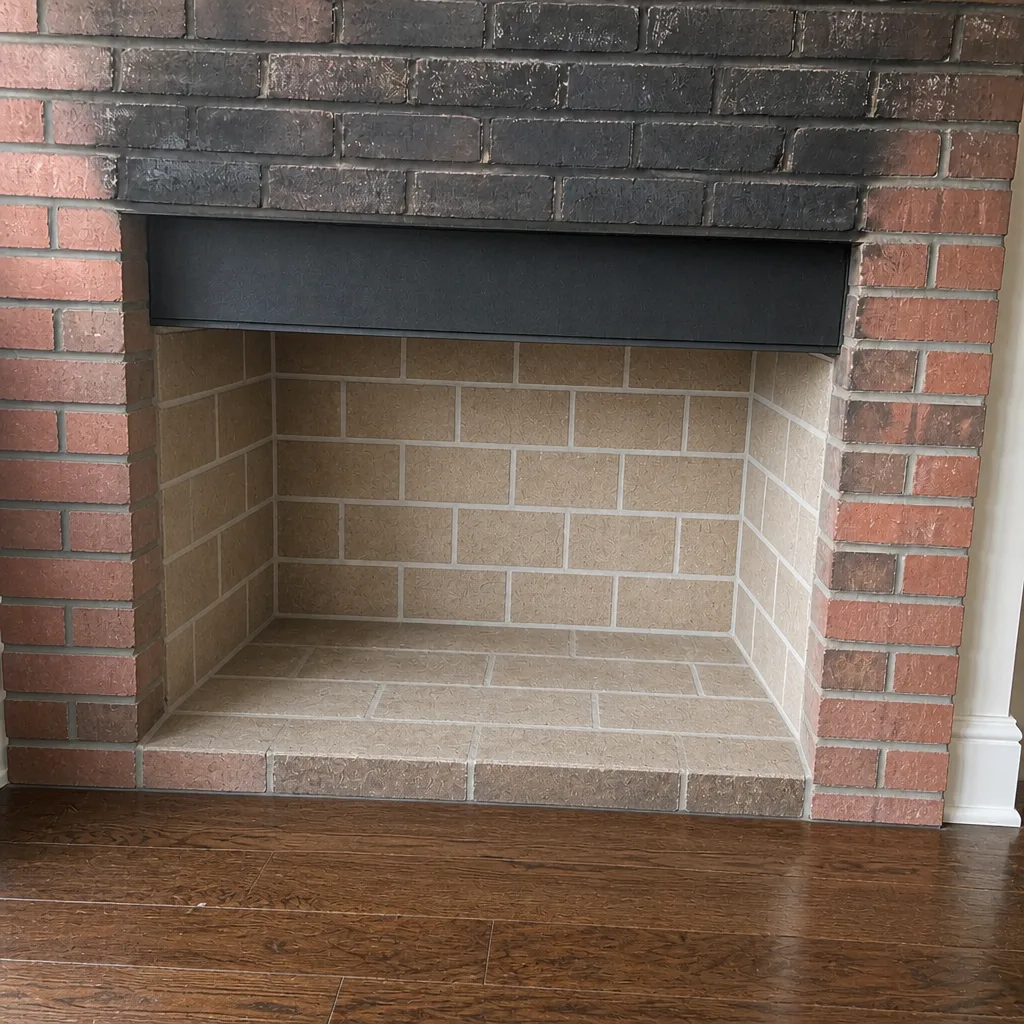
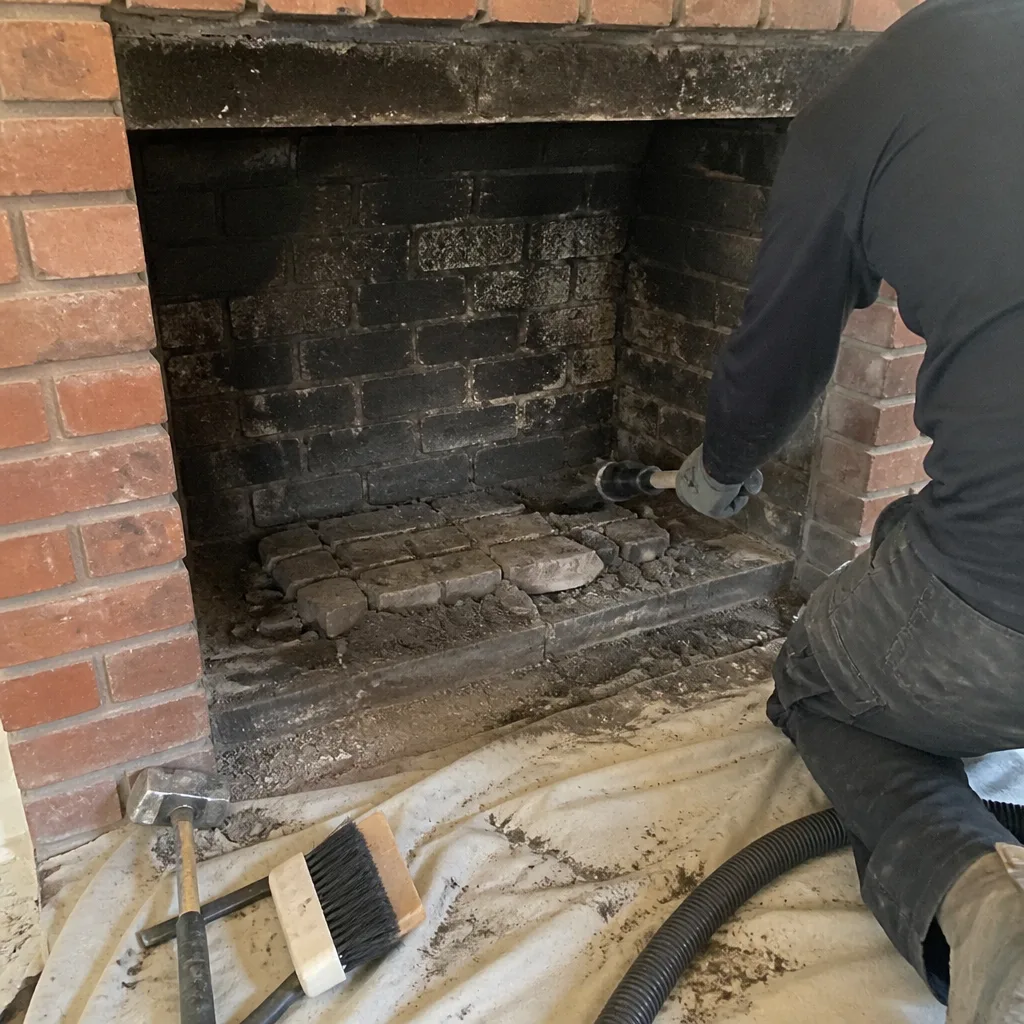
See the difference
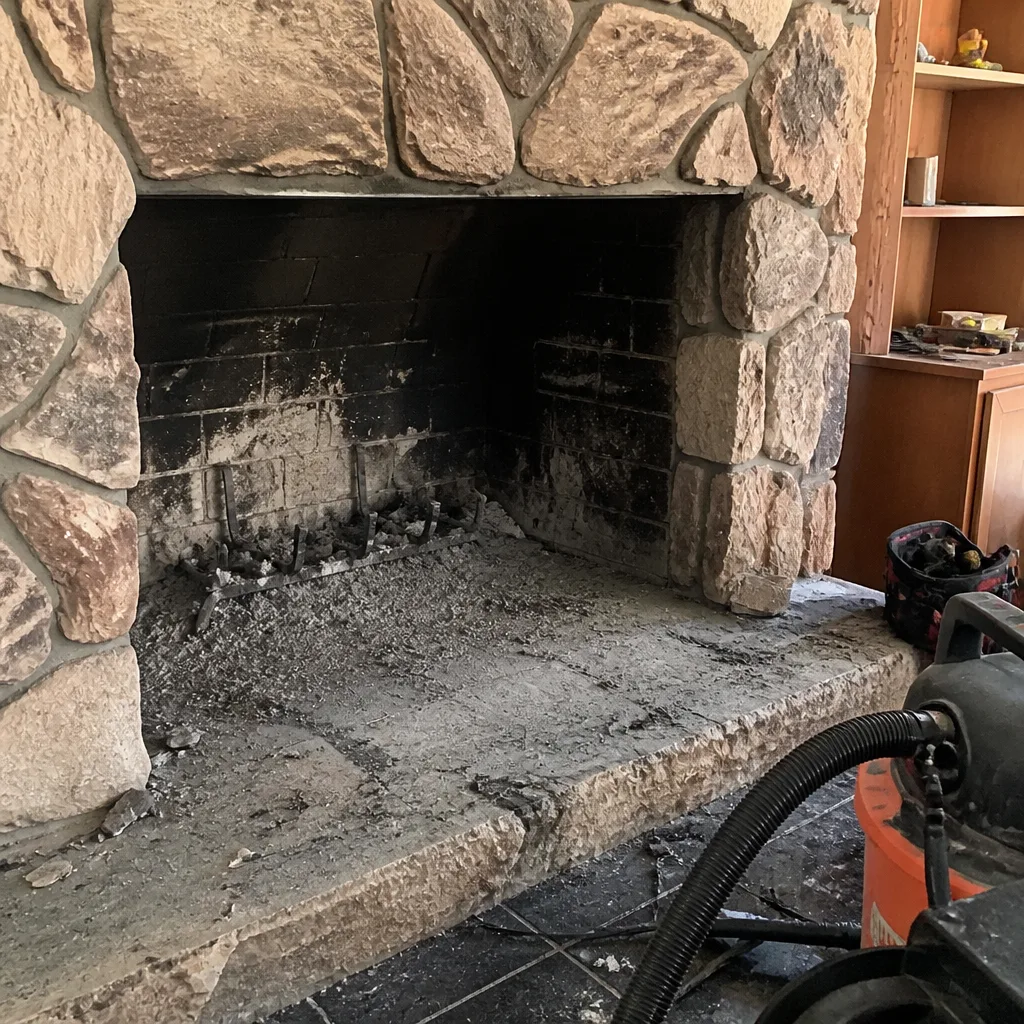 Before
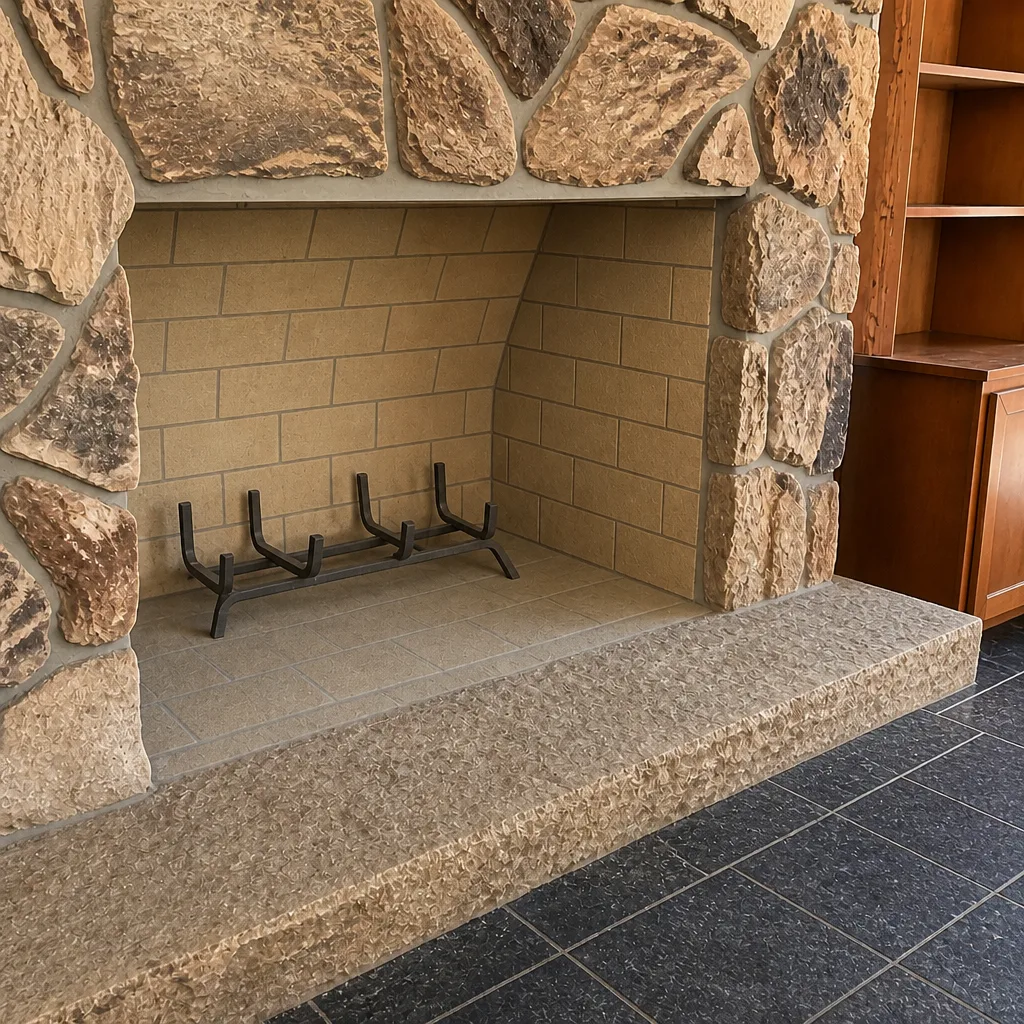 After
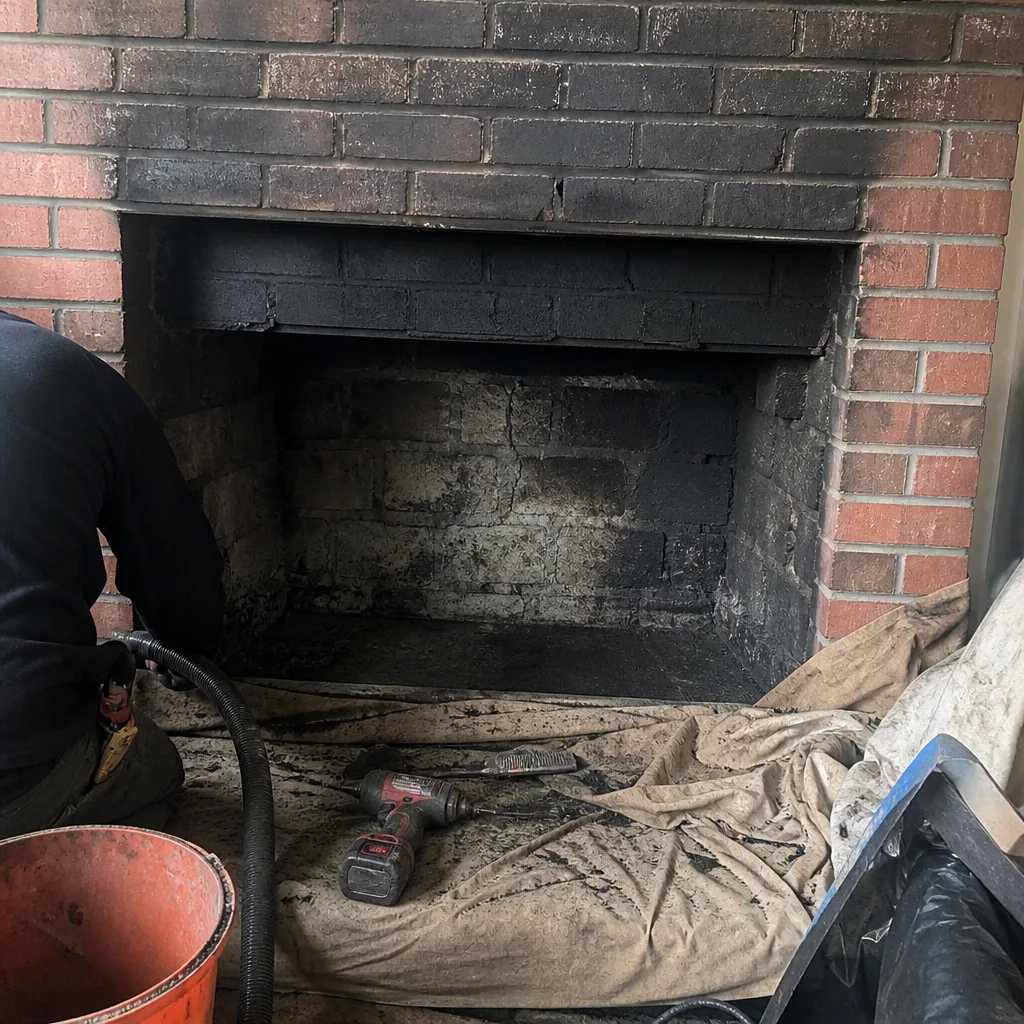 Before
 After
 Before
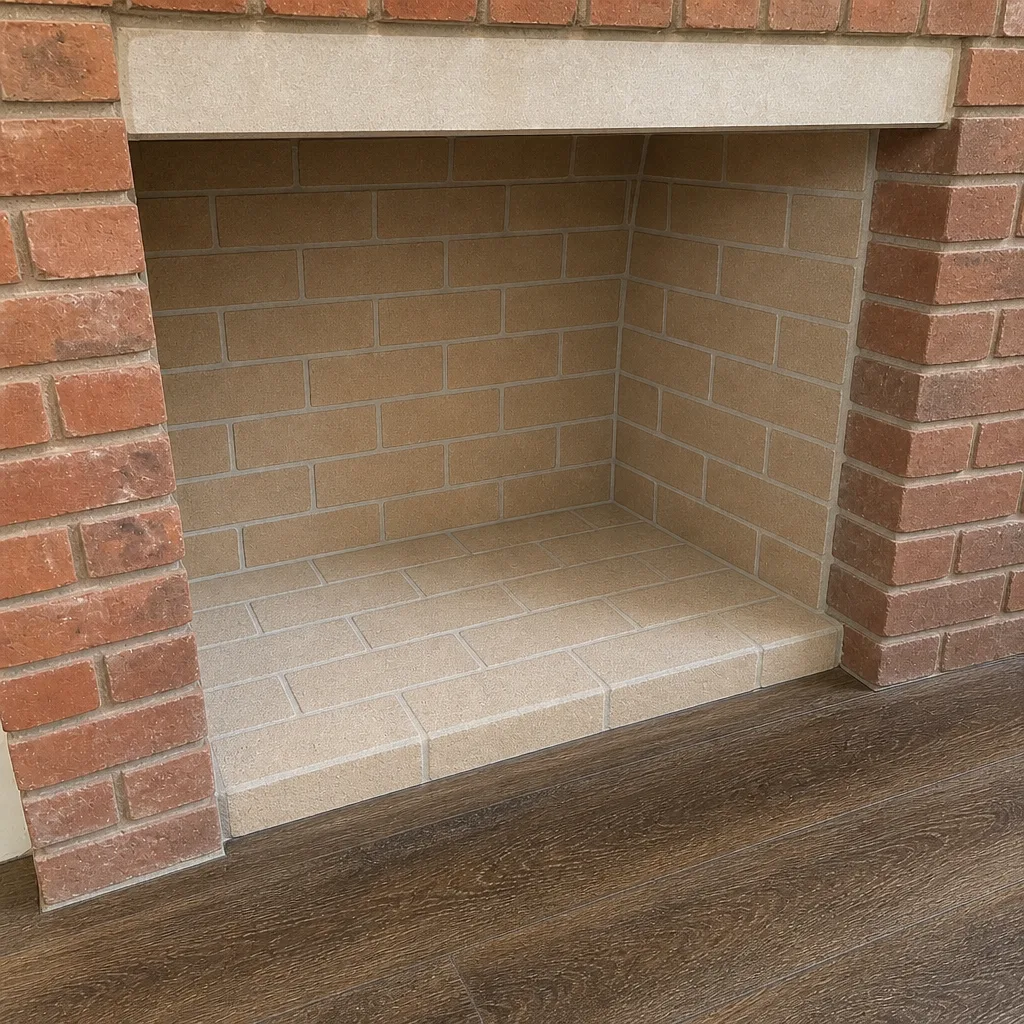 After
When to Call a Professional
If you’ve been told by another sweep that your liner needs replacing, get a second look before committing. If you’ve bought a home in Antioch and the seller’s disclosure has any mention of chimney work, order a Level 2 inspection before your first fire. If your fireplace hasn’t been serviced in years and you’re planning to burn this winter, get a sweep and inspection booked before the season starts. And if you’re planning an insert installation, reline, or structural repair, get a written scope from a company that can both specify the product and pull the permit under the correct standard.
Chimney Sweep Antioch offers free estimates on inspection, cleaning, and repair work in Antioch. Call (844) 352-4625. We answer 24/7. Fast dispatch from 7am to 7pm, Sunday through Friday. Visit our Antioch page for a bit more on how we work in the city.
Frequently Asked Questions
No. Chimney cleaning is routine maintenance and never requires a permit in Antioch. Permits apply to construction-type work: relining, insert installation, firebox replacement, and structural repairs. A sweep can come out, do the cleaning, and complete a Level 2 inspection without any permit involvement. Call (844) 352-4625 if you’d like to book a cleaning and inspection together.
Yes, in almost all cases. A full reline, whether with a flexible stainless liner like DuraFlex or a cast-in-place system like HeatShield, is construction work that typically requires a permit through the City of Antioch building department. The permit application usually asks for the inspection report, the product cut sheet showing the UL 1777 listing, and the manufacturer’s installation instructions. Call (844) 352-4625 for a free estimate on a documented, permit-ready reline.
A Level 2 inspection is the NFPA 211 definied inspection that includes a video scan of the flue interior, usually required whenever the appliance changes, the property sells, or a chimney is damaged by a fire or storm. Permit reviewers commonly want a Level 2 report attached to a reline or insert application because it documents the existing condition of the flue. Without it, the application can be kicked back for more information. Call (844) 352-4625 to schedule a Level 2 inspection with camera documentation you can see.
Start with a Level 2 inspection to document current condition, then check the permit history with the City of Antioch building department. In California, sellers are generally required to disclose known material defects, so review your disclosure documents carefully. The path forward is usually a proper permit for the existing work or a correction of deficiencies with a new permit and inspection. Call (844) 352-4625 for a free estimate on both the inspection and any remediation.
Look for liners with a current UL 1777 listing for the specific application. DuraFlex flexible liners are a common spec-grade choice, and HeatShield resurfacing systems are also UL-listed when installed correctly. We work with DuraFlex, Olympia Chimney, HeatShield, and other professional-grade lines, and we keep the documentation on hand to attach to the permit application. Call (844) 352-4625 if you want a spec-grade liner that will clear permit review.
It can. When a claim is filed, adjusters typically look for the permit record as part of the investigation. If a liner was installed without one and a fire claims the home, coverage may be disputed even when the fire itself would otherwise be covered. Getting the work permitted upfront is the cheapest insurance on the insurance. Call (844) 352-4625 to talk through a documented, permitted repair.
The Bottom Line
Cleaning and inspection are the two chimney services in Antioch that never need a permit. Everything else, from relining with a DuraFlex liner to resurfacing with HeatShield to a full structural repair, typically does. The permit isn’t bureaucracy; it’s the piece of paper your insurer will look for if a fire claim is ever filed, and it’s what keeps a documented repair from becoming an uncovered loss. Pair a proper Level 2 inspection with a permit-ready repair, keep the camera documentation, and let one company handle the sweep, the report, and the repair so nothing falls through the gap. Call (844) 352-4625 for a free estimate on inspections, cleaning, or repair. What looks like a small paperwork shortcut today can turn into a serious claim dispute years later, and the fix is straightforward when the inspection and repair come from the same accountable company.
Written by the team at Chimney Sweep Antioch.