
Last updated November 16, 2026
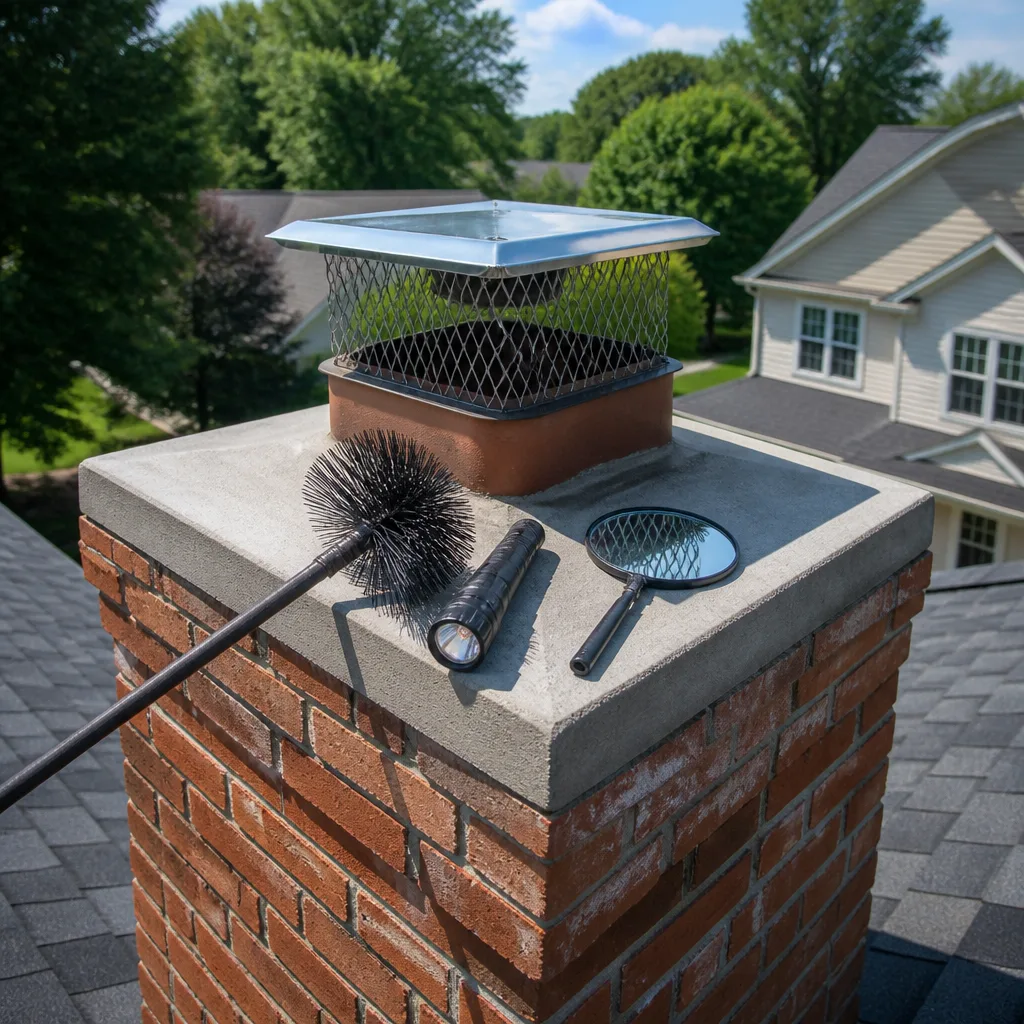 Sweep & inspection
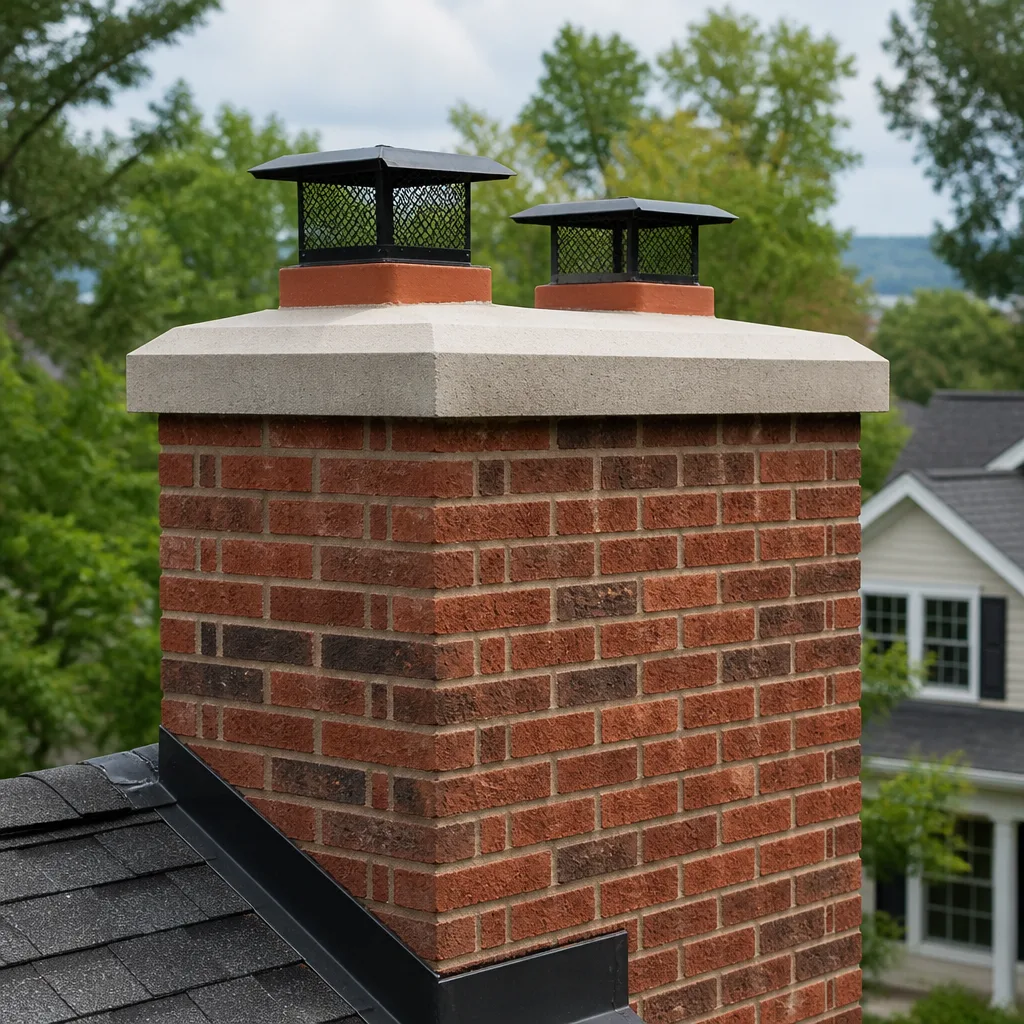 Caps & crowns
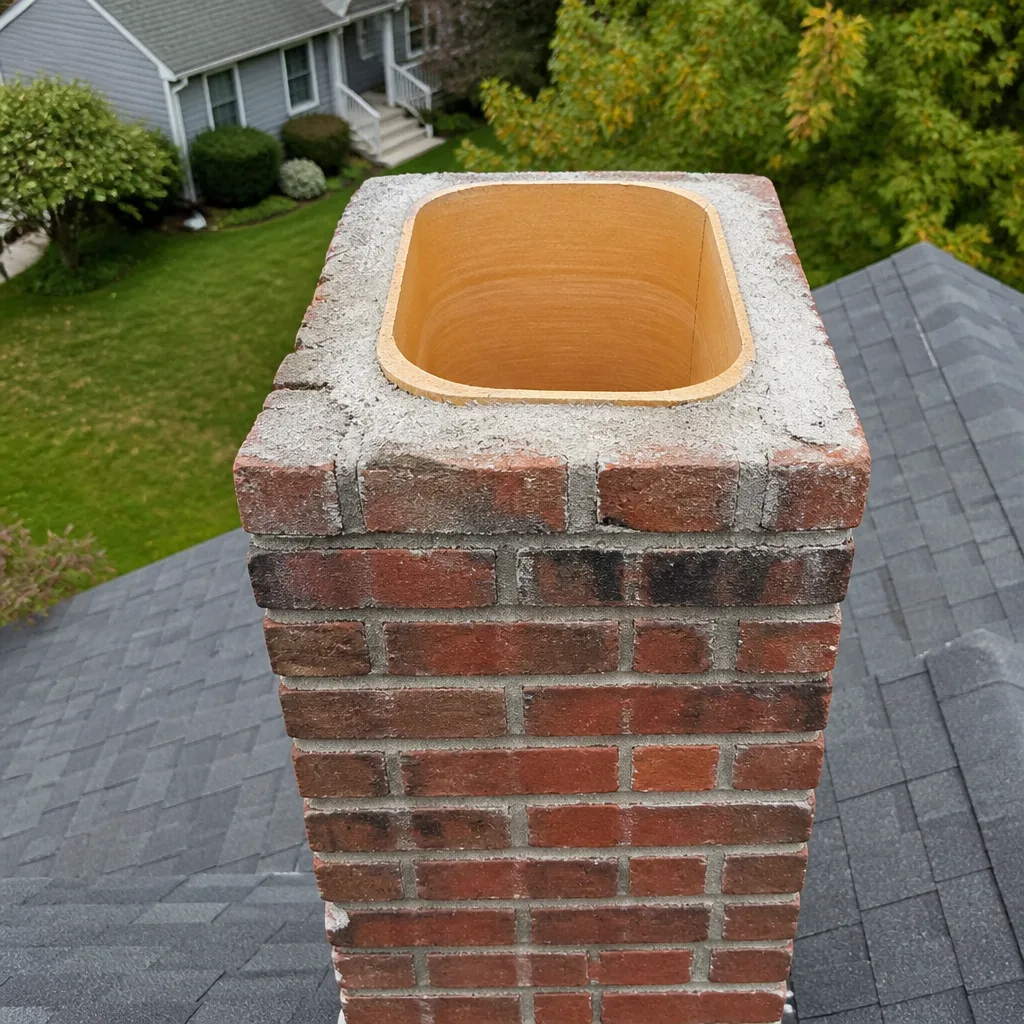 Flue relining
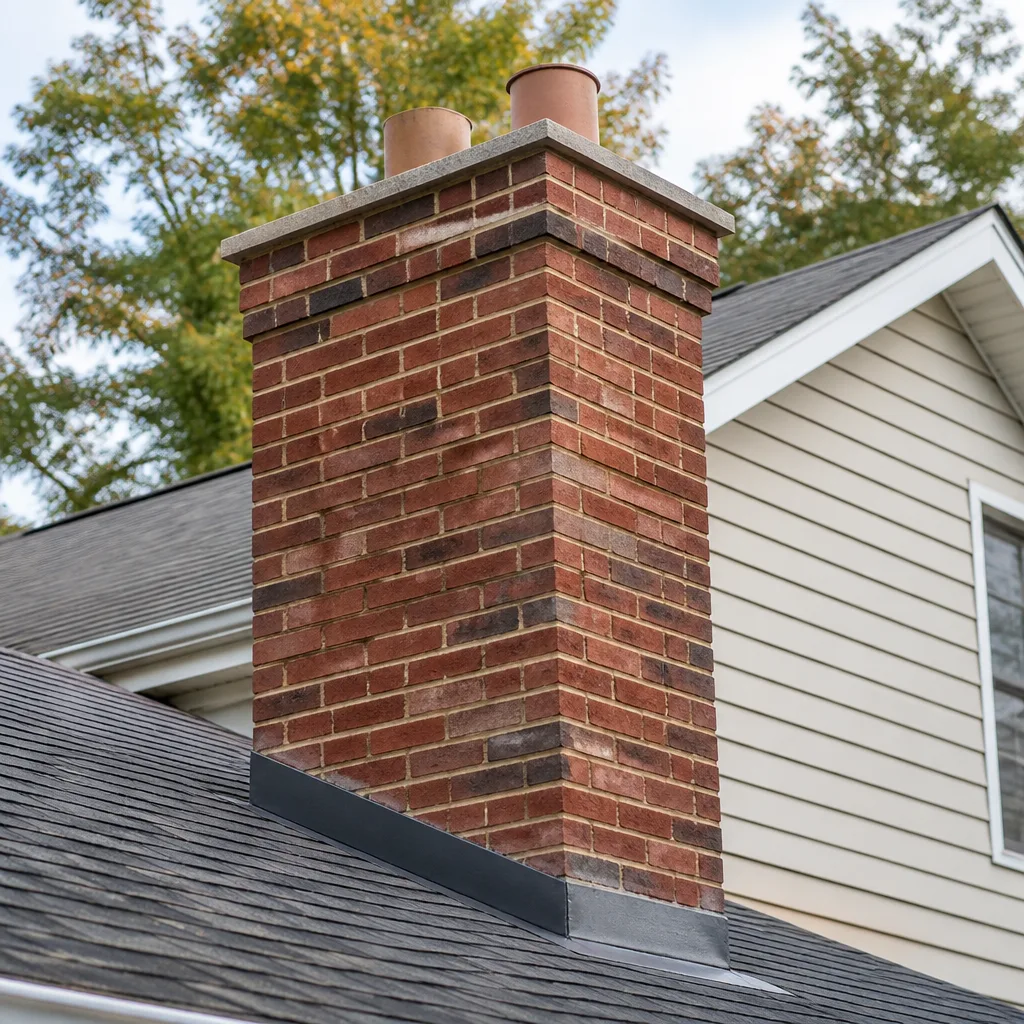 Masonry repair
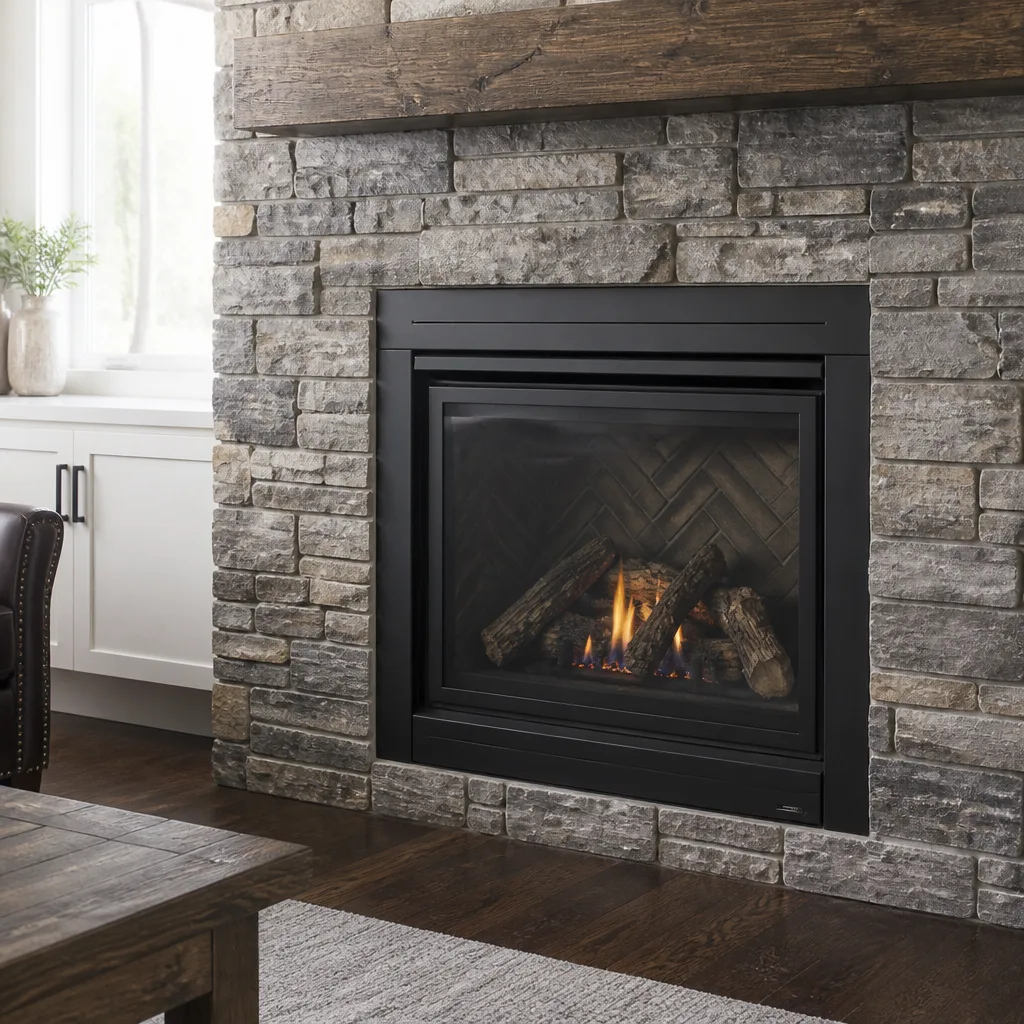 Gas fireplace service
Level 1 sweep and inspection to the NFPA 211 annual standard - flue, crown, cap, and flashing checked and photographed
Chimney sweep logs do not sweep chimneys. They loosen some creosote - which then falls where a brush and vacuum still have to collect it.
Chimney Cleaning Warning Signs: An Antioch Homeowner’s Reference Guide
A strong smoke smell in a room with no fire burning isn’t a draft quirk. It’s usually a depressurization symptom: your flue is pulling air from living spaces, and that’s the same direction combustion gases travel during a backdraft. The warning signs that matter most in Antioch homes aren’t the dramatic ones. They’re the subtle mechanical and structural signals homeowners explain away for months, until a cleaning finally reveals the actual condition of the flue. This guide walks through the signs worth watching, what each one points to, and how to sort the urgent from the merely worth monitoring.
Quick Answer
The signs that justify booking a chimney cleaning or inspection in Antioch are: a smoky smell in the house when no fire is lit, a fire that struggles to start or smokes into the room, black streaking or white staining on the exterior masonry, rust inside the firebox, and tapping or falling debris heard in the flue. Any one of these is a reason to have the system looked at rather than waiting for the next scheduled sweep. Strong acrid or sulfurous odors and any sign of backdraft should be treated as immediate.
Styles & brands we work with
- Sweep & inspection
- Caps & crowns
- Flue relining
- Masonry repair
- Gas fireplace service
Table of Contents
- What Your Nose Tells You: Creosote vs. Combustion Gas
- Reading the Exterior: Staining Patterns and What They Mean
- Why a Slow-Starting Fire Is a Draft Diagnostic
- Sounds, Debris, and Animal Evidence
- Triage: What Needs Immediate Service vs. What Can Wait
- Wood, Gas, and Oil: Signs Differ by Appliance
- Antioch’s Burn Season and Timing Your Cleaning
- Common Mistakes to Avoid
What Your Nose Tells You: Creosote vs. Combustion Gas
Most homeowners lump every chimney smell into one category. They shouldn’t, because the two smells point to completely different conditions, and only one of them is usually harmless.
A creosote smell is sweet and tarry, like wood tar or a campfire that’s gone cold. It’s the smell of accumulated creosote inside the flue, and on a mild Antioch day with low pressure, that smell can drift back into the room even with the damper closed. A creosote smell usually means the flue has enough buildup to warrant a cleaning, though it isn’t an emergency on its own. It’s the flue telling you it’s loaded and ready to be swept.
A combustion gas smell is different. It’s acrid, sharp, sometimes sulfurous, and it tends to appear in a room where no fire is burning. That smell is the signature of backdraft or depressurization: the flue is pulling air down into the house instead of exhausting up and out. During a backdraft, combustion gases follow the same path the air is taking, which is into the living space. That’s a carbon monoxide concern, not a nuisance. If you smell it while a gas appliance is running, shut the appliance off and get the system inspected before you use it again.
Quick way to tell them apart
- Sweet, woody, tarry: creosote buildup. Book a cleaning.
- Acrid, sharp, sulfurous: combustion gas or backdraft. Stop using the appliance and get it inspected.
- Musty, damp, earthy: moisture intrusion, often paired with white staining on the exterior.
- Dead animal or ammonia: animal nesting in the flue or cap.
We’ve walked into plenty of Antioch homes where the homeowner had been living with a faint combustion smell for weeks, assuming it was the neighbor’s fireplace. It almost never is. When the smell comes and goes with weather changes and pressure shifts, that’s the flue talking.
Reading the Exterior: Staining Patterns and What They Mean
Your chimney’s exterior is a diagnostic surface. The stains on the brick and mortar tell you what’s happening inside, often months before the interior shows any sign. Walk around the house and look up.
White, chalky staining (efflorescence)
A white, powdery bloom on the brick or mortar is efflorescence, and it’s the signature of moisture moving through the masonry. Water gets into the brick, dissolves salts, and deposits them on the surface as it evaporates. On a chimney, that usually traces back to a failed crown, a missing or damaged cap, or cracked mortar joints letting water in. Left alone, moisture intrusion leads to spalling brick and a flue that’s wet from the inside, which accelerates creosote glazing and liner deterioration. In Antioch, where the rainy season concentrates moisture into a few months, this is one of the most common exterior findings we see.
Black streaking
Black streaks running down the exterior face of the chimney, especially near the top or around the flue opening, indicate smoke bypass. Smoke is escaping into the chase or through a gap rather than going up and out the way it should. That’s a draft or flue integrity issue, and it often pairs with a smoky smell indoors. Black streaking is a reason to book an inspection rather than a routine cleaning alone.
Rust
Rust on the firebox, damper, or the exterior metal components of the cap points to moisture getting in where it shouldn’t. A rusted damper can seize open or closed, and a rusting cap is no longer doing its job of keeping water, animals, and debris out of the flue. Chimney caps and venting components are exactly the exterior elements that protect interior work already performed, which is why we work with professional-grade product lines like Famco and Copperfield for caps and venting rather than generic commodity parts.
Your flue, liner, cap, and crown are one system. A stain on the outside is a signal about all of it.
Why a Slow-Starting Fire Is a Draft Diagnostic
A fire that’s hard to start, smolders, or pushes smoke into the room when you first light it is almost never a wood quality problem. It’s a draft diagnostic. The flue isn’t pulling properly, and there are a handful of specific reasons why.
- Blocked or partially blocked flue. Creosote buildup, a bird’s nest, or a collapsed mortar chunk can narrow the flue enough that smoke can’t rise fast enough to establish draft.
- Cold flue. On a cool Antioch morning, the flue is full of dense cold air that has to be displaced before draft establishes. Pre-warming the flue with a rolled newspaper torch helps, but if the fire still struggles every time, the cause is structural, not thermal.
- Undersized or oversized flue. A flue that’s the wrong size for the firebox won’t draft correctly no matter how you light the fire. A DuraFlex flexible liner properly sized to the appliance is often the fix for a chronic draft problem on an older chimney.
- Pressure imbalance in the house. Modern homes with tight construction and exhaust fans can pull air down the flue instead of up, especially during cooking or bath fan use. That’s the depressurization problem again.
- Cracked or deteriorated liner. A liner that’s lost its integrity lets air in from the wrong places, disrupting the draft path.
If your fire needs smoke to be cleared out of the room every time you light it, that’s a warning sign worth acting on. A proper inspection with a camera will show exactly which of the above is causing it, and in our experience it’s almost always visible on the camera screen in the first minute.
Sounds, Debris, and Animal Evidence
Chimneys talk. The sounds you hear are diagnostic, and so is what falls into the firebox.
- Tapping or scraping sounds. Often an animal or bird trapped in the flue, occasionally a loose damper. Sometimes it’s a thin-liner creosote flake shifting. Whatever the source, an animal in the flue means it’s blocked, and a loose damper means it isn’t sealing.
- Falling mortar chunks or brick grit. A chunk of mortar or brick in the firebox means the liner or flue interior has failed somewhere above. Liner deterioration of this kind is not something you can safely monitor; stop using the fireplace until it’s inspected.
- Animal evidence on the cap or in the firebox. Nesting material, droppings, feathers, or a strong ammonia smell all point to a missing or damaged cap. A properly fitted cap from a product line like Famco or Copperfield closes the most common entry path animals have.
- A sound of rushing air when the appliance runs. That can be good draft. A hollow, gurgling, or irregular sound is not.
When we hear a homeowner describe tapping sounds, the first thing we do is camera the flue. If there’s a bird in there, it’s a removal and cap problem. If it’s loose mortar, it’s a liner problem, and the fix is different. The sound alone doesn’t tell you which it is. The camera does.
Triage: What Needs Immediate Service vs. What Can Wait
Not every warning sign is urgent. Sorting them correctly protects your safety and keeps you from paying for work that could reasonably wait. Here’s the triage framework we use.
Act immediately – stop using the fireplace or appliance
- Acrid, sulfurous combustion gas smell, especially with a gas appliance running.
- Visible smoke pushing into the room from the firebox during normal use.
- Falling mortar, brick, or unburned grit into the firebox.
- Animal in the flue confirmed by sound or sight.
- A cracked or visibly deteriorated liner found by camera.
Book a service within the season – don’t wait for next year
- Sweet, tarry creosote smell with the damper closed.
- White efflorescence staining on the exterior.
- Black streaking on the masonry face.
- A fire that consistently struggles to start or drafts poorly.
- Rust on the damper or metal components.
Monitor until the next annual cleaning
- Mild soot staining around the firebox opening that was there when you moved in.
- A faint creosote smell on hot days that resolves with a cleaning.
- Cosmetic weather staining that doesn’t increase in size.
We say a cleaning is due when the camera shows buildup worth removing. We say a liner needs work when the camera shows a defect. If neither is true, we tell you that too. Nothing is recommended without camera evidence you can see for yourself on the monitor, and if the work can safely wait, we’ll say so.
Wood, Gas, and Oil: Signs Differ by Appliance
The warning signs above mostly describe wood-burning chimneys, but many Antioch homes run gas fireplaces, gas inserts, and oil or gas heating appliances. The signs look different, and the urgency is different too.
Gas appliances
Gas fires don’t produce creosote, but they do produce moisture and, if the flue is blocked or the appliance is improperly vented, carbon monoxide. The symptoms that matter most on gas are the acrid smell, a visible line of condensation on the flue, and any sign of soot around the appliance’s vent. A gas appliance that backdrafts is a carbon monoxide hazard and should be taken out of use immediately pending inspection.
Oil heating appliances
Oil flues accumulate soot and sulfur residue, and some oil combustion gases are more acidic than wood flue gases. A flue that serves an oil appliance needs a cleaning on the appliance’s own schedule, not a wood-burner’s. Signs to watch are soot streaking around the appliance venting and any smell of oil in the flue.
Wood inserts and wood stoves
Wood inserts behave like wood fireplaces but can be more sensitive to flue size, which makes the draft diagnostics above more important. If you’ve had a wood insert installed and the fire has never drafted well, the flue is undersized for the appliance, and a flexible liner sized to the insert is the typical solution.
In our experience, gas inserts are the ones homeowners most often forget to have inspected, because there’s no visible soot and no creosote smell to remind them. The yearly inspection is the reminder. We work with the same product lines professional contractors specify, including HeatShield for liner resurfacing and DuraFlex for flexible liner installation, so if a gas insert’s flue needs work, we can do it rather than refer it out.
Antioch’s Burn Season and Timing Your Cleaning
Antioch’s winters are mild, which changes the timing question. In colder climates, the chimney is used most weeks from late fall to early spring, and the cleaning is squeezed into a narrow window. Here, many homeowners use the fireplace on cooler evenings from roughly November through February, then leave it idle for months. That idle period is when buildup sits undisturbed and animals find the cap.
The practical window for a cleaning is late summer or early fall, before the first use of the season. If you’ve skipped a year, the buildup from the last real burn season is still sitting in the flue through the warm months, and that’s when the creosote smell becomes noticeable. A sweep in the late summer also catches cap damage and animal nesting before the first fire of the fall.
If you’ve been told by a previous sweep or an inspector that repairs are needed, the off-season is the right time to have them done. A sweep without inspection is guesswork. An inspection without repair capability is a referral. We do all three under one roof, so the findings on the camera become the work on the schedule, and the chimney is ready before you light the first fire. For an overview of our chimney sweep work, that page covers what’s included in a standard visit.
Common Mistakes to Avoid
- Treating every smell as a creosote problem. The acrid, sulfurous smell of combustion gas is a different animal, and it’s the one that should stop you from using the appliance. Learn the difference before the next fire.
- Assuming a slow-starting fire is bad wood. It’s a draft symptom, and it usually means the flue is blocked, undersized, or losing its liner. Changing wood won’t fix it.
- Ignoring exterior stains. White efflorescence and black streaking are signs of moisture and smoke bypass that are cheap to address early and expensive to address after a decade of neglect. Walk around the chimney at least once a year.
- Waiting for the dramatic sign. A chimney fire or a full collapse is the dramatic sign, and by the time you see either, the repair scope has grown. The subtle mechanical signals are the ones that let you fix things early.
- Hiring the sweep without asking if they can do repair work. A sweep-only visit that finds a deteriorated liner sends you looking for a different company. Choose one that can inspect, sweep, and repair, like a company that works with DuraFlex and HeatShield, so the handoff gap never opens.
- Skipping the cap. A missing or damaged chimney cap is one of the most common causes of animal nesting and moisture intrusion in Antioch, and one of the cheapest to correct. A cap from a professional line like Famco or Copperfield does more for chimney life than most homeowners realize.
- Using the fireplace after finding a falling mortar chunk. Grit in the firebox means the interior has failed somewhere. Stop using the fireplace and get it inspected before the next fire.
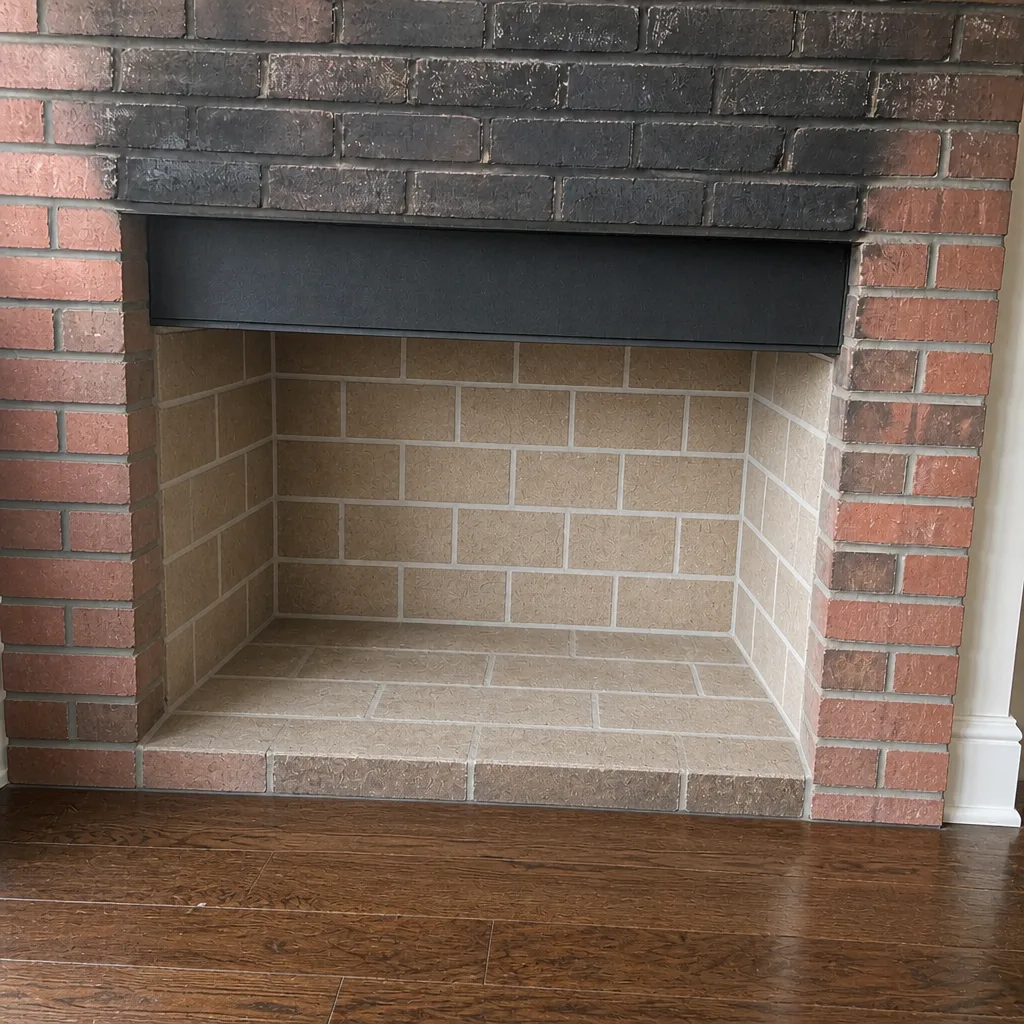
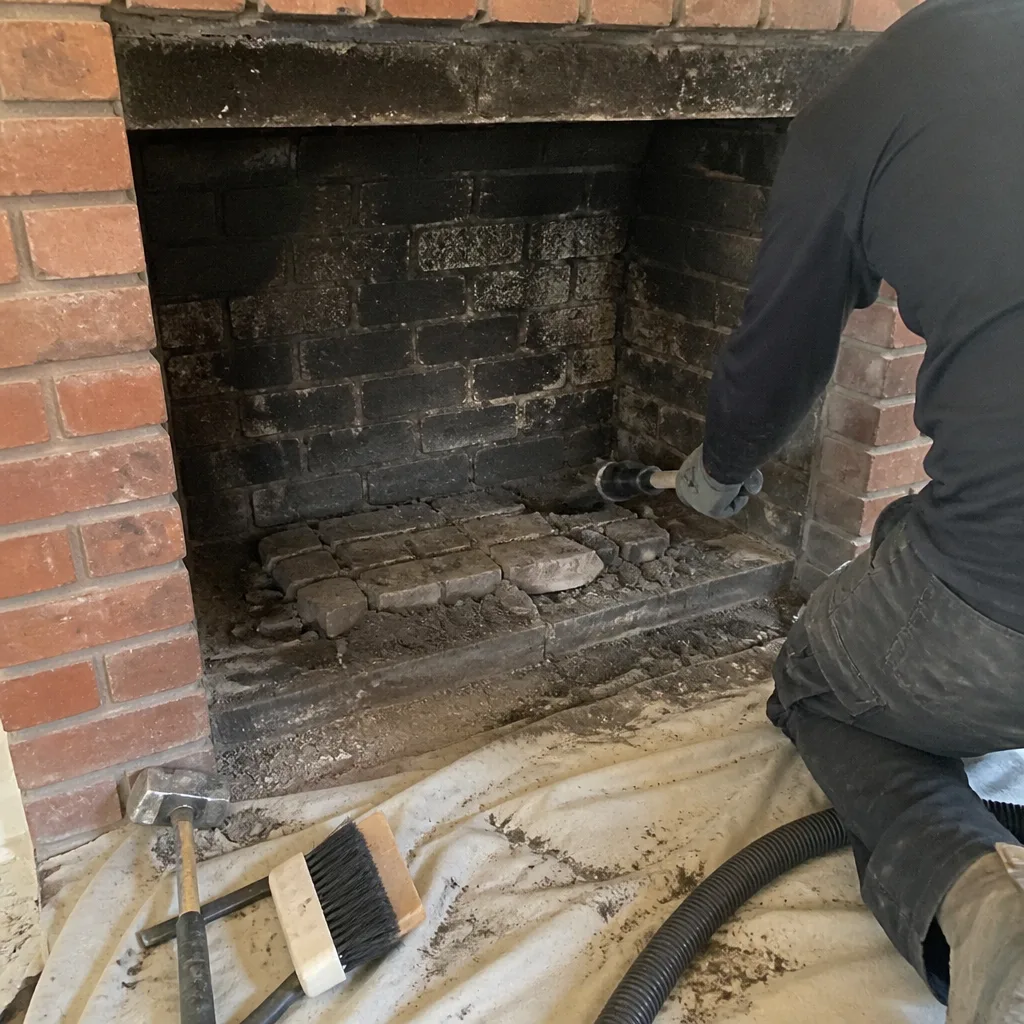
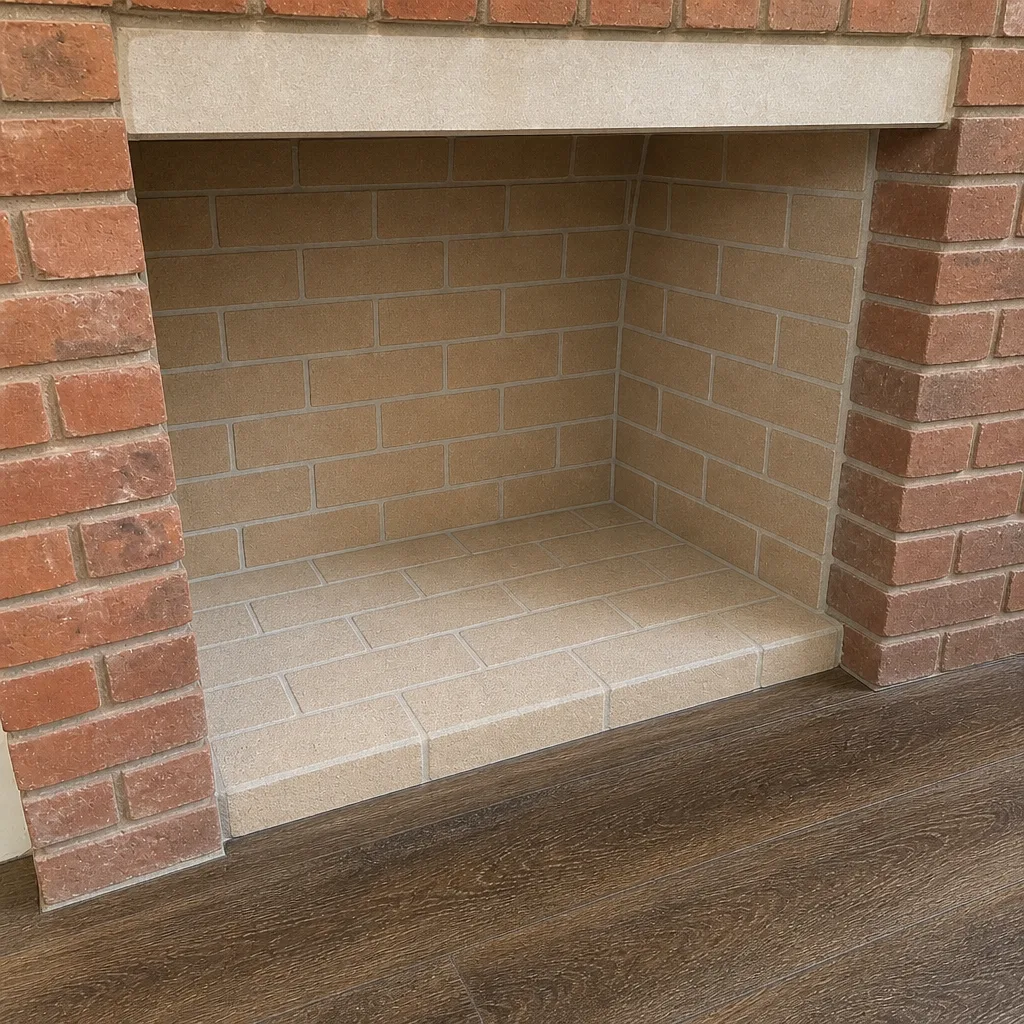
See the difference
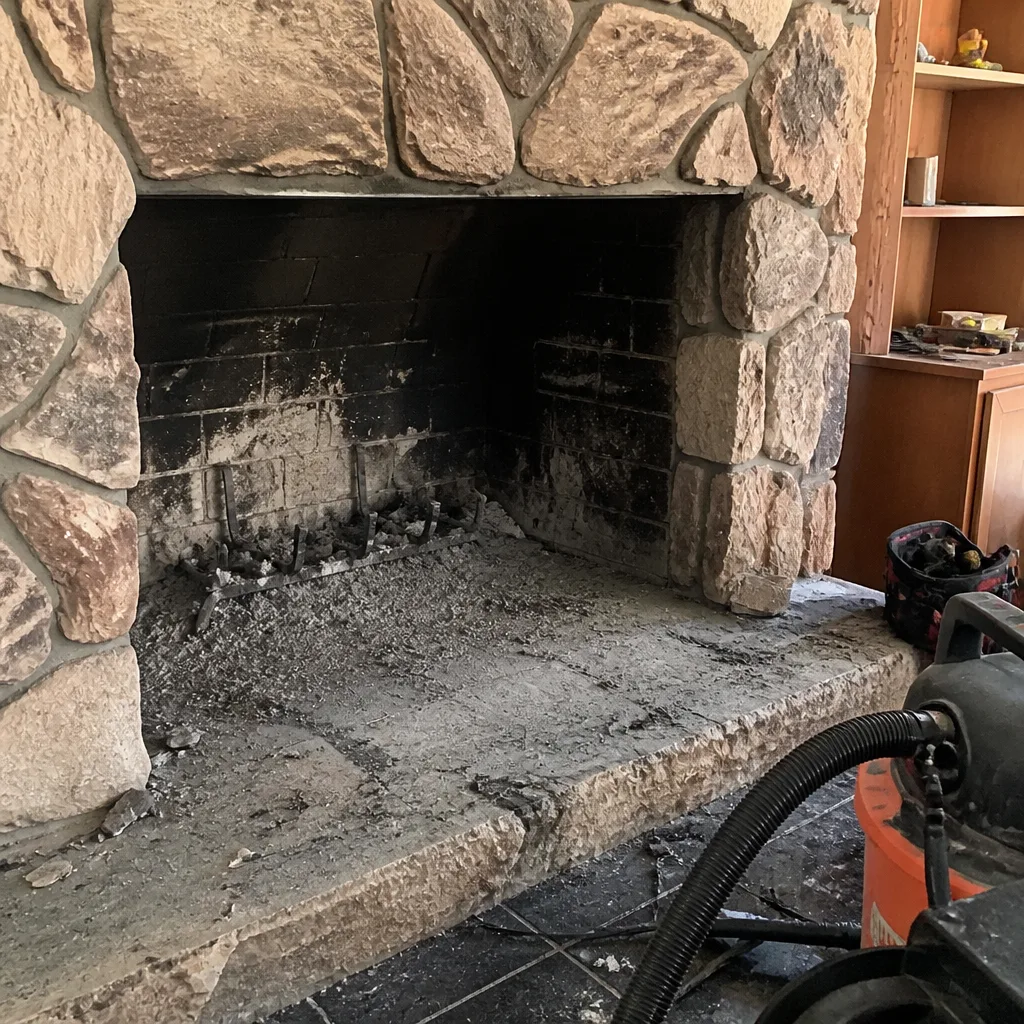 Before
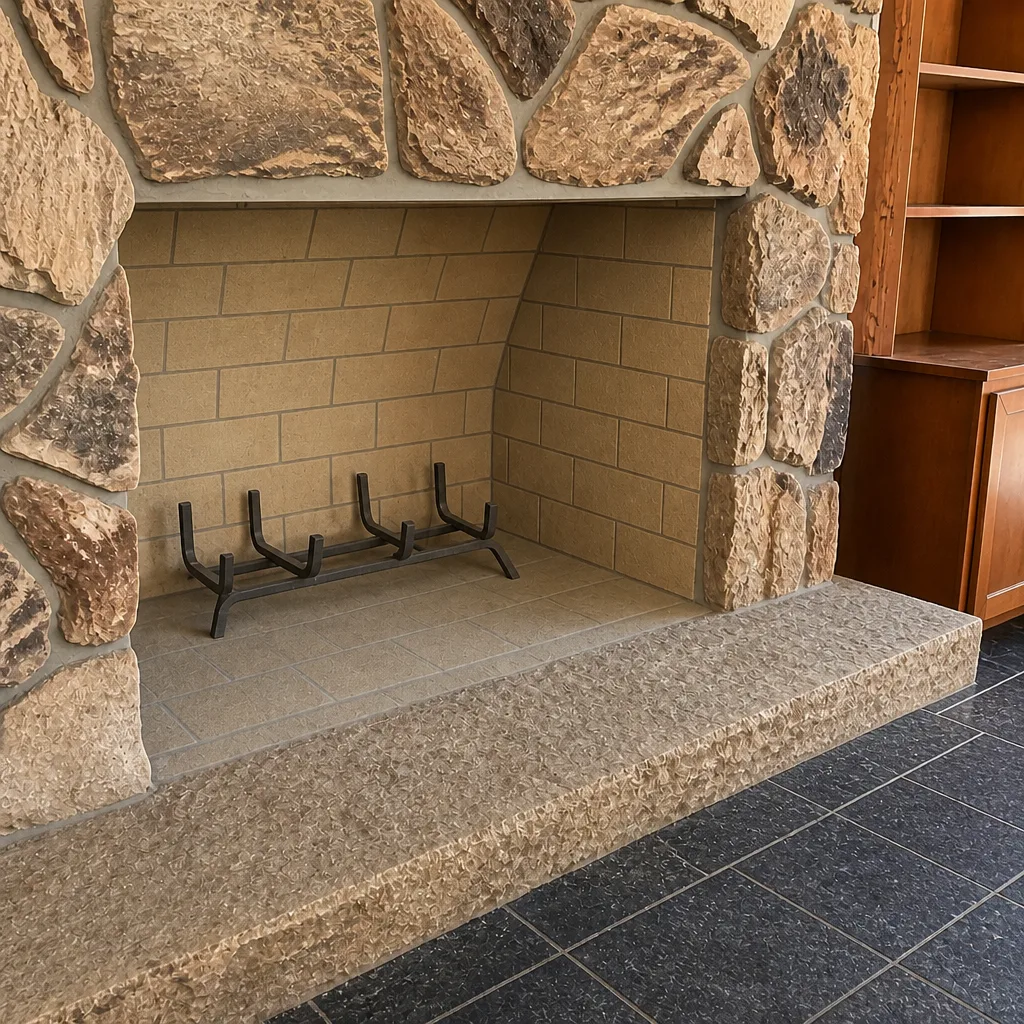 After
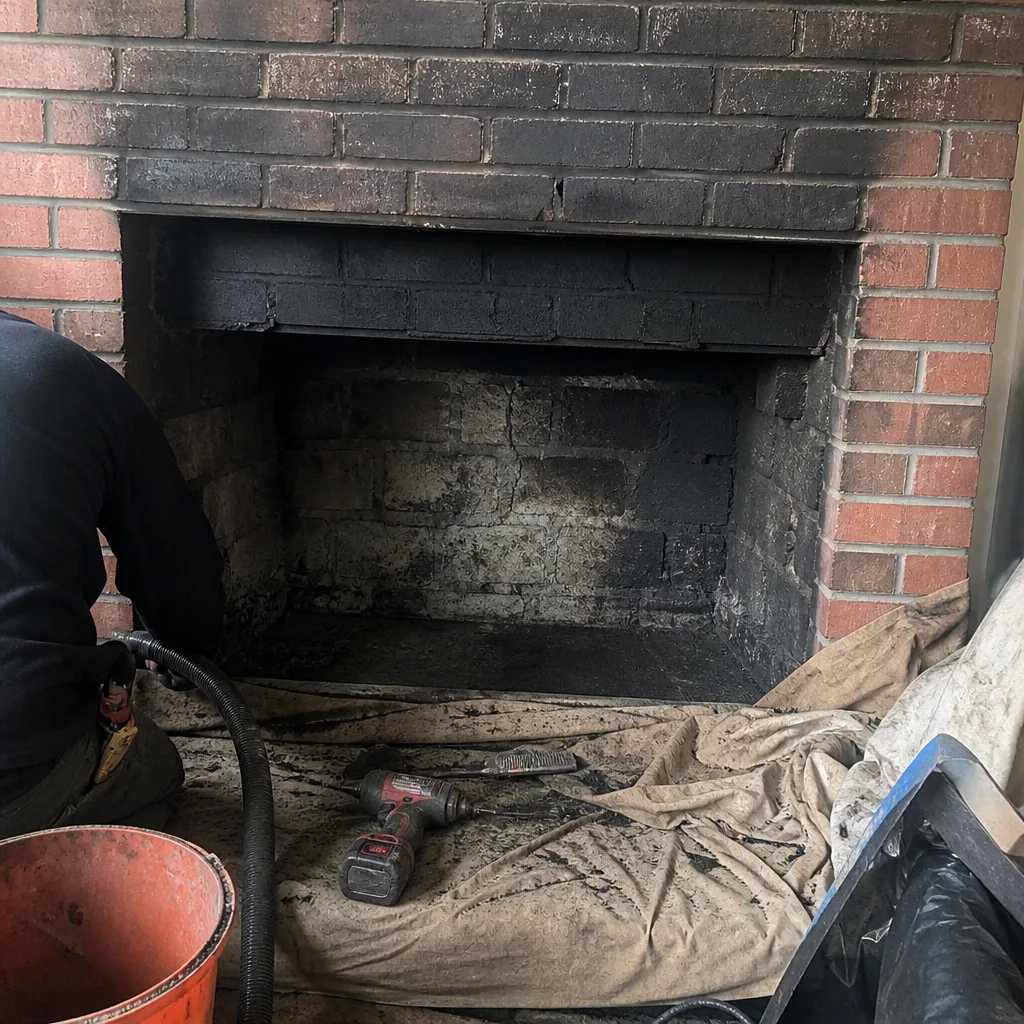 Before
 After
 Before
 After
When to Call a Professional
Call a professional when any of the warning signs above appear and you can’t confidently place it in the “can wait” category. The specific scenarios that most warrant a call: an acrid smell with a gas appliance running, smoke coming into the room during normal use, falling grit or mortar in the firebox, tapping or scraping from the flue, or an exterior stain that’s growing. If you’ve had a sweep or inspector tell you repairs are needed and you want a second look with camera evidence you can see on the monitor, that’s also a call worth making. Chimney Sweep Antioch offers free estimates in Antioch – call (844) 352-4625 to book a visit. If you’ve been told your liner needs replacing, ask specifically about HeatShield resurfacing. It can restore a deteriorating liner without a full reline, and we’ll tell you honestly which you need. For repair work, our chimney repair page covers the scope.
Frequently Asked Questions
The sweet, tarry creosote smell is the most common sign we find, and it usually appears on warm days when the damper is closed. It means the flue has enough buildup to warrant a cleaning. Call (844) 352-4625 for an exact quote – estimates are free.
Creosote smells sweet and tarry, like cold wood tar. Combustion gas smells acrid, sharp, or sulfurous, and it usually appears when no fire is burning. The second smell is a backdraft or carbon monoxide concern; shut the appliance off and get it inspected. Call (844) 352-4625 for an exact quote – estimates are free.
Yes, it usually is. A slow-starting or smoky fire is a draft diagnostic, and the common causes are a blocked flue, an undersized or oversized flue, a cold flue, or a damaged liner. A camera inspection shows which one it is. Call (844) 352-4625 for an exact quote – estimates are free.
White, powdery staining is efflorescence, and it means moisture is moving through the masonry. That usually traces to a failed crown, missing cap, or cracked mortar. Call (844) 352-4625 for an exact quote – estimates are free.
Not always. A deteriorated liner can sometimes be restored with HeatShield resurfacing, which extends the life of the liner without the cost of a full reline. A full reline with a DuraFlex flexible liner is the right choice when the liner has failed structurally. We’ll show you the camera evidence and tell you honestly which one the flue needs. Call (844) 352-4625 for an exact quote – estimates are free.
Most wood-burning chimneys should be swept once a year, ideally in late summer or early fall before the first fire of the season. Gas and oil appliances need an annual inspection even though they produce no creosote. Call (844) 352-4625 for an exact quote – estimates are free.
The Bottom Line
The warning signs that protect your home aren’t the dramatic ones. They’re the faint sweet smell of creosote on a warm day, the acrid combustion smell that shouldn’t be there, the white stain on the brick, the fire that never quite drafts, the tapping sound in the flue. Each one is a specific pointer to a specific condition, and sorting them well is most of the work. If you’re in Antioch and you’ve noticed any of these, a camera inspection with professional-grade parts under one roof is how you find out what’s actually there. We answer 24/7. Fast dispatch from 7am to 7pm, Sunday through Friday. Call (844) 352-4625 for a free estimate, and see the findings for yourself on the monitor.
Written by the team at Chimney Sweep Antioch.