
Last updated November 16, 2026
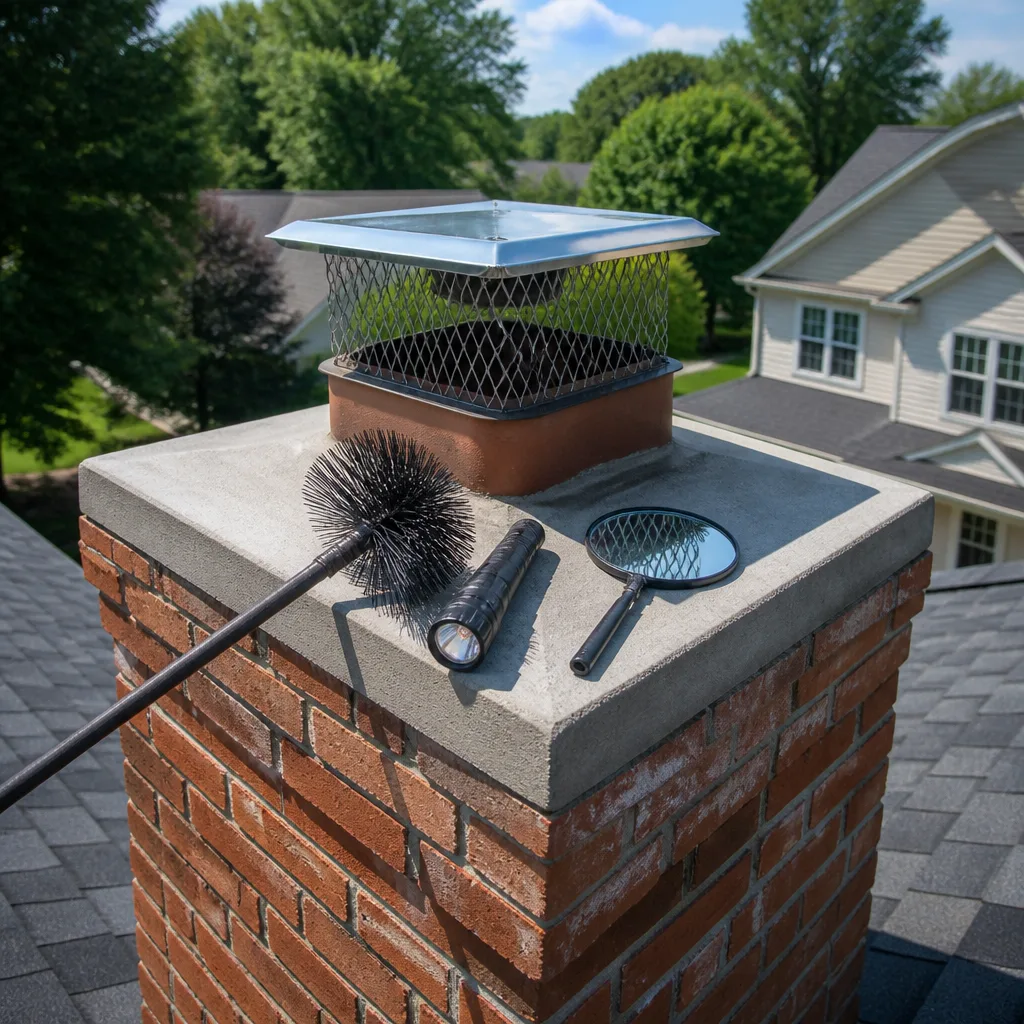 Sweep & inspection
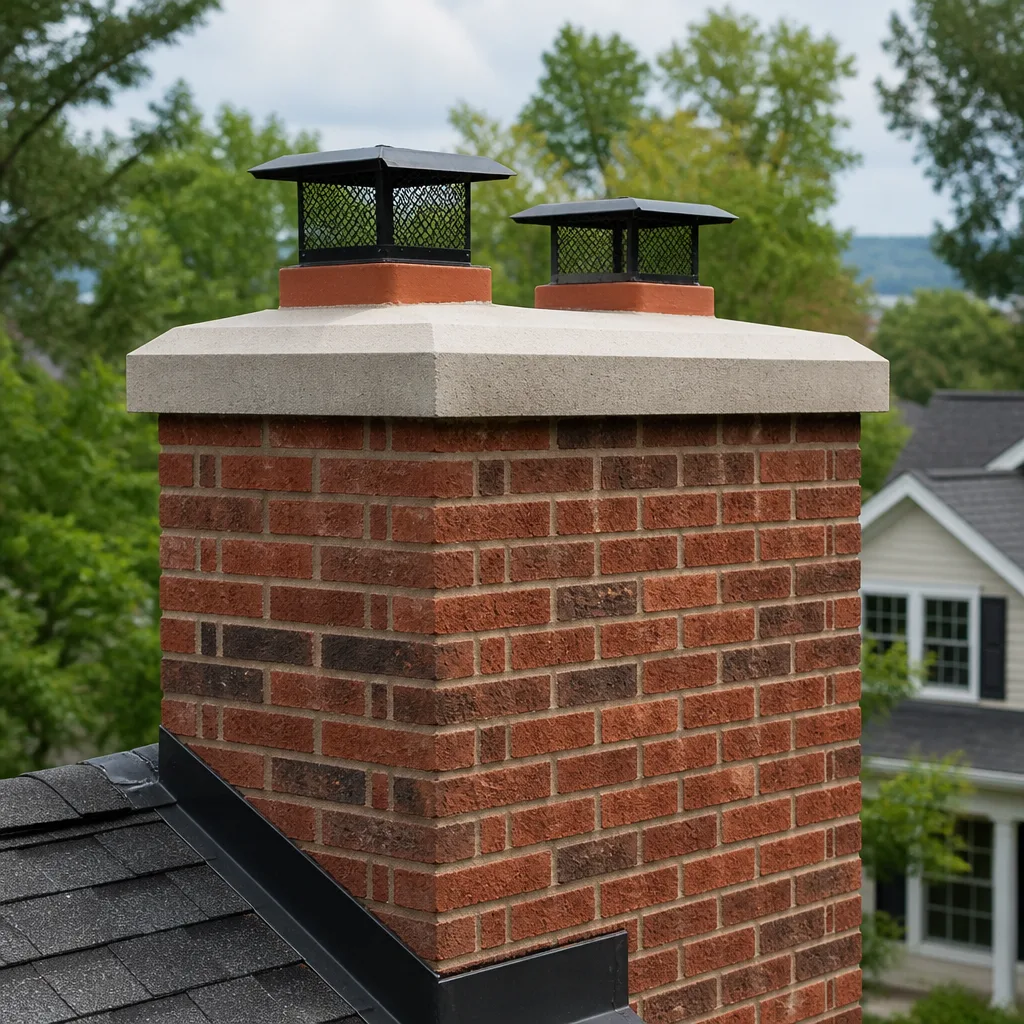 Caps & crowns
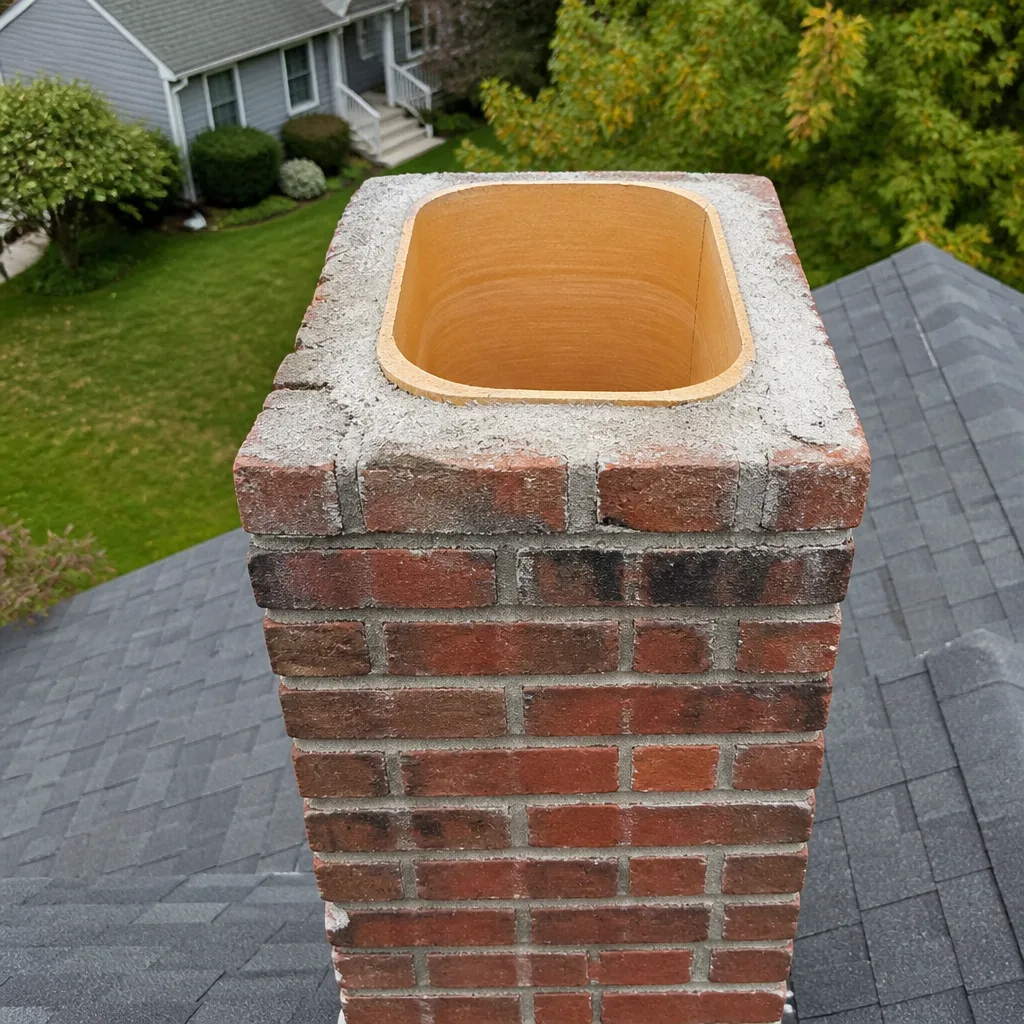 Flue relining
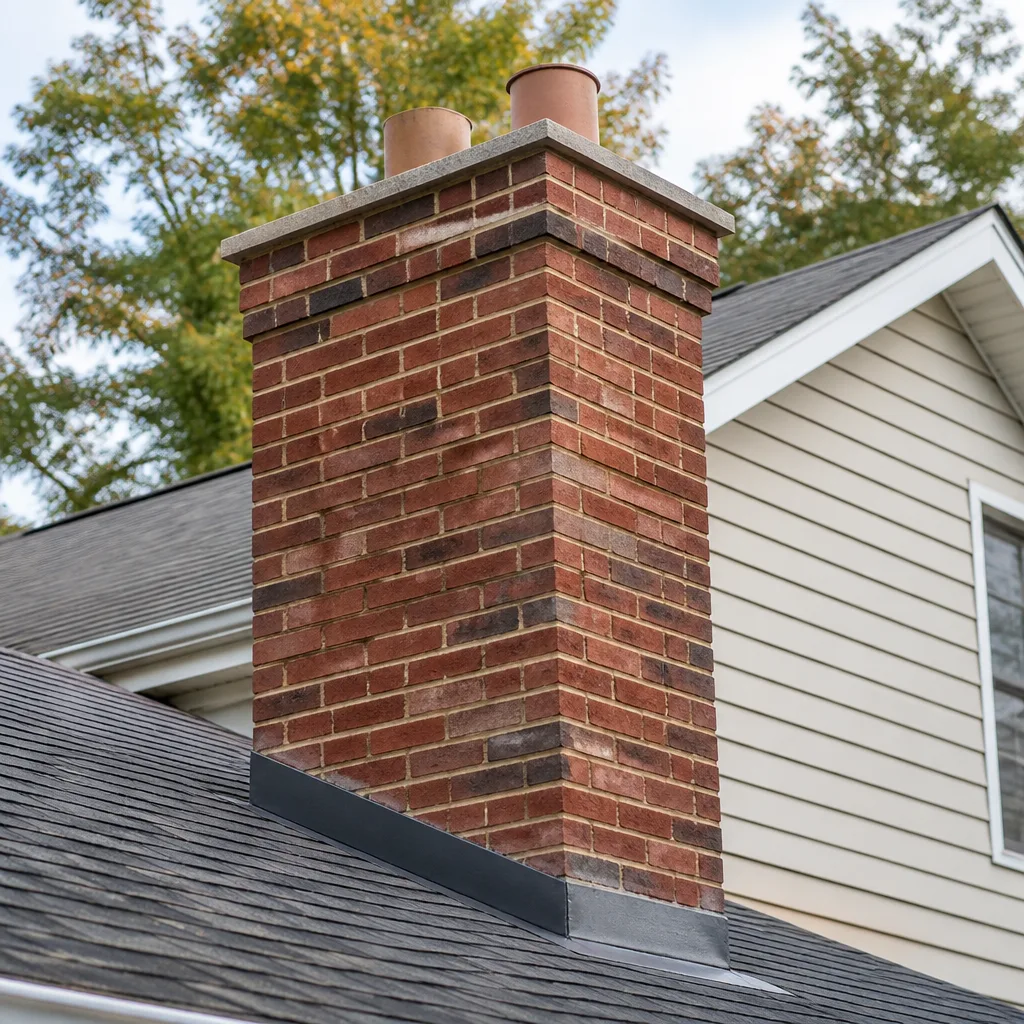 Masonry repair
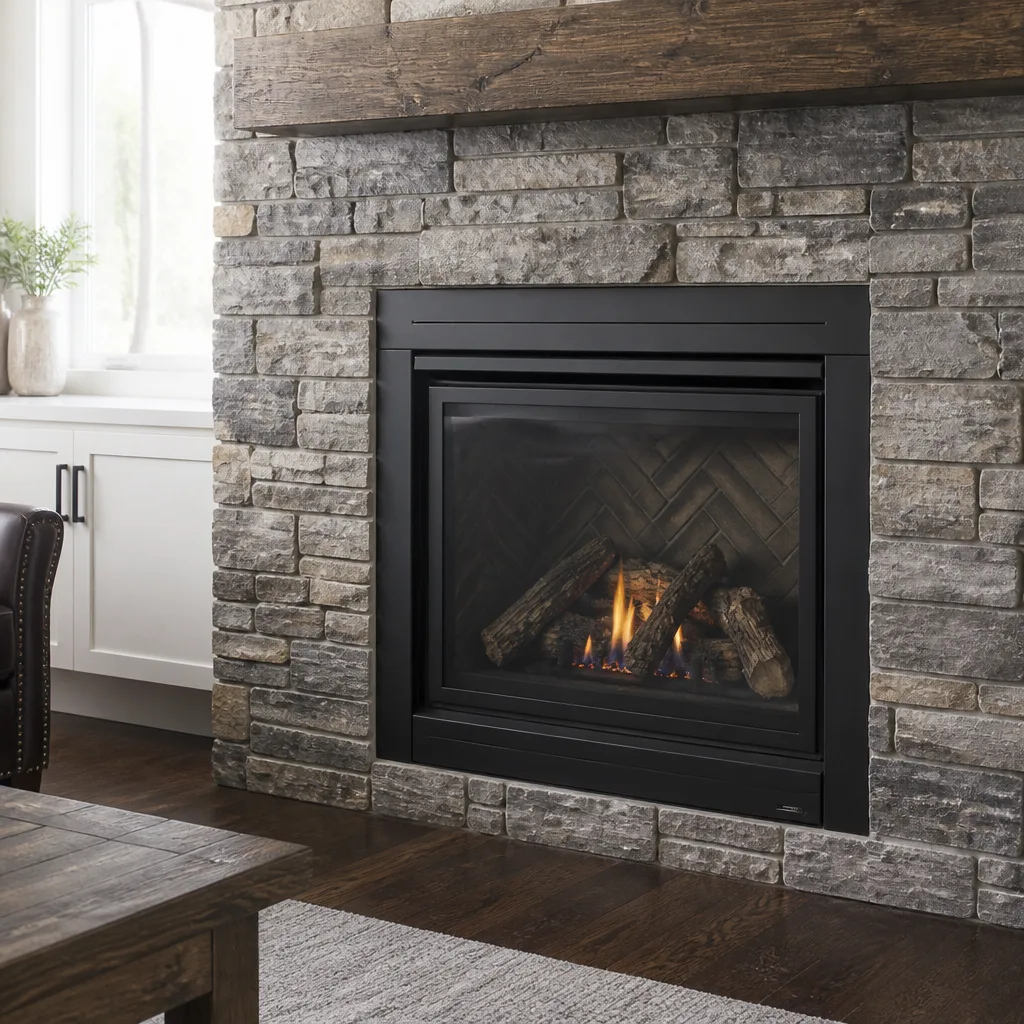 Gas fireplace service
Level 1 sweep and inspection to the NFPA 211 annual standard - flue, crown, cap, and flashing checked and photographed
Chimney sweep logs do not sweep chimneys. They loosen some creosote - which then falls where a brush and vacuum still have to collect it.
DIY vs Professional Chimney Cleaning: The Antioch Homeowner’s Decision Guide
The advice you’ll find online usually splits into two camps: sweep it yourself with a brush kit and save the money, or never touch it and always hire a pro. Both are too simple. A brush and a shop vac can genuinely remove light, flaky creosote from a straight flue, and plenty of homeowners do exactly that. But neither the brush nor the vacuum tells you whether the tile liner behind that creosote has a hairline crack, whether the smoke chamber is coated in glazed tar, or whether the firebox joints have started to open. This guide walks through what DIY chimney cleaning in Antioch can realistically accomplish, where it stops being safe, and how to decide which side of the line your chimney falls on.
Quick Answer
DIY chimney cleaning is a reasonable option only for a straight, accessible flue with no prior fire damage, no liner concerns, and creosote limited to light surface soot. For anything else – glazed creosote, a chimney over 20 years old, a recent home purchase, animal intrusion, or smoke spilling into the room – professional cleaning and a camera inspection are the safer call. The problem is that you can’t tell which situation you’re in without the diagnostic tools a professional brings.
Styles & brands we work with
- Sweep & inspection
- Caps & crowns
- Flue relining
- Masonry repair
- Gas fireplace service
Table of Contents
- What DIY Chimney Cleaning Can Realistically Accomplish
- What DIY Cleaning Cannot Assess
- The Three Stages of Creosote and Why They Matter
- Equipment Reality Check: Consumer Kits vs. Professional Tooling
- The California Insurance Question: Inspection Records and Fire Claims
- The Five-Question Decision Framework
- How a Professional Sweep Actually Works
- DIY vs. Professional: What Each Approach Really Costs
What DIY Chimney Cleaning Can Realistically Accomplish
We’ll give DIY its due. For a specific set of conditions, a homeowner with the right brush and some patience can remove light creosote buildup from a flue. It’s real work, but it’s not impossible work. Where DIY succeeds is when the chimney is simple and the deposits are fresh.
The conditions that make DIY appropriate are fairly narrow:
- The flue is straight and accessible from the top or through a cleanout, with no offsets or sharp bends the brush can’t follow.
- Creosote is limited to Stage 1 – the flaky, soot-like deposit that comes off with brushing. You can see it, and it comes loose easily.
- There’s no history of a chimney fire, no known liner damage, and no prior sweep has flagged a problem.
- The chimney is relatively modern and in good structural condition, with no visible cracks in the firebox or smoke chamber.
- You’re comfortable working on a roof or have safe access from below, and you understand the airflow and dust control involved.
That’s a specific list for a reason. In our experience around Antioch, most chimneys that haven’t been serviced in several years fail at least one of these conditions. Antioch’s mix of older housing stock and newer construction means the range of chimney condition is wide – some flues are clean and straight, others have decades of use behind them. A brush doesn’t tell you which you have. It just removes what it can reach.
The honest framing is this: DIY cleaning is a maintenance task, not a diagnostic one. It can keep a healthy chimney healthy. It cannot tell you whether your chimney is healthy.
What DIY Cleaning Cannot Assess
Here’s where the DIY case weakens. The part of chimney work that actually protects your home isn’t the cleaning – it’s the assessment. Creosote removal is visible. Liner integrity is not. And a chimney can look clean from the firebox while hiding problems that make it unsafe to burn.
What a homeowner with a brush cannot evaluate:
- Liner integrity. Clay tile liners develop hairline cracks from heat cycling and settle over time. A cracked tile lets heat and combustion gases reach the framing and masonry around the flue. You cannot see this from the firebox, and you can’t see it with a brush. It takes a camera.
- Smoke chamber condition. The smoke chamber – the sloped area above the damper – is where creosote collects heavily and where many chimney fires actually start. Consumer brushes usually can’t reach it properly, and even if they could, you can’t see what you’re doing in there.
- Firebox joint deterioration. The mortar joints between firebrick in the firebox crack and erode with use. Deteriorated joints let heat through to the masonry behind. This needs a trained eye and often a repair capability, not just a cleaning.
- Stage 2 and Stage 3 creosote. Glazed, tar-like creosote (Stage 3) bonds to the flue wall and will not come off with a brush. It requires chemical treatment or, in severe cases, relining. A homeowner can’t identify it by feel alone, and brushing it does nothing.
- Flue sizing and drafting problems. An undersized or oversized flue causes smoke spillback and poor draft. Diagnosing that requires measurements and knowledge of appliance requirements, not just a brush.
This is the core of the case for professional service: the value isn’t only in what gets removed, it’s in what gets found. A sweep without inspection is guesswork. An inspection without repair capability is just a referral. That’s why we handle sweeping, inspection, and chimney repair as one connected service – so a finding doesn’t become a handoff.
The Three Stages of Creosote and Why They Matter
Creosote is the tar-like residue left behind when wood smoke cools on the flue walls. It’s the fuel for chimney fires, and it forms in three distinct stages. Knowing which stage you have is the difference between a routine sweep and a serious problem – and it’s the single biggest reason DIY cleaning can be misleading.
- Stage 1 creosote is flaky, crusty, and soot-like. It brushes off easily. This is what a homeowner brush kit is designed to remove, and when this is all that’s present, DIY cleaning can genuinely work.
- Stage 2 creosote is tar-like and stickier. It clings to the flue and doesn’t come loose with a brush alone. Removing it takes professional brushes combined with chemical treatment, and it’s the stage where a sweep starts becoming a job for someone who does it regularly.
- Stage 3 creosote is glazed, hardened, and bonded to the flue wall like varnish. It’s the most combustible stage and the hardest to remove. It often requires chemical treatment over time or, when the liner is compromised, relining with a flexible liner system such as DuraFlex.
Here’s the trap: Stage 1 and Stage 2 can look similar from the firebox, and Stage 3 can hide behind a thin layer of soot. If you sweep and the flue looks clean afterward, you may have removed Stage 1 and left Stage 2 or Stage 3 in place – or worse, you’ve brushed over a cracked liner without ever seeing it.
Antioch’s burn season is mild compared with colder parts of the country, but mild winters encourage slow, smoldering fires, and smoldering fires are exactly what produces Stage 2 and Stage 3 creosote. A hot, fast fire burns cleaner. A fire that’s damped down and left to smolder deposits more tar. That’s a chimney-behavior detail worth understanding whether you clean it yourself or hire it out. If you want the full picture on what proper cleaning involves, our chimney sweep page covers the process in detail.
Equipment Reality Check: Consumer Kits vs. Professional Tooling
A consumer chimney brush-and-rod kit costs relatively little compared with a professional sweep, and that price gap is the main reason DIY looks attractive. But the comparison isn’t apples to apples once you look at what the kit includes and what it leaves out.
A typical consumer kit includes:
- A round or square wire or poly brush sized to a common flue dimension
- Flexible fiberglass or nylon rods in a set length
- A basic hand-crank or drill attachment
- Sometimes a shop-vac adapter
What a professional brings that a consumer kit doesn’t:
- Multiple brush types and sizes, matched to your actual flue dimension and the creosote stage – not one brush that “roughly fits.”
- Camera systems that record the interior of the flue, smoke chamber, and firebox. This is the diagnostic capability that separates a cleaning from an inspection. Copperfield inspection equipment is the kind of professional-grade tooling used to see what a brush can’t.
- Chemical treatment capability for Stage 2 and Stage 3 creosote, which no consumer kit addresses.
- Containment and dust control that keeps soot out of your living space, which a shop vac and a tarp only partly handle.
- Vent and cap product knowledge, including caps and venting components from lines like Famco and Olympia Chimney, so the exterior of the system gets addressed, not just the interior.
We’re specific about brands because it signals something real: we work with the same lines professional contractors specify – DuraFlex, HeatShield, Gelco, Olympia Chimney, Famco, and Copperfield – not whatever ships cheapest. A brush-and-rod kit isn’t that. It’s a maintenance tool, and it should be understood as one. For the bigger system – liner, cap, crown – the equipment question is settled in favor of professional tooling, because those components have to be properly assessed and, when needed, properly replaced.
The California Insurance Question: Inspection Records and Fire Claims
There’s a practical risk to DIY cleaning that has nothing to do with creosote. If a chimney fire happens and you file a homeowner’s insurance claim, the adjuster’s first question is often whether the chimney was maintained and inspected. Without a professional inspection record, you’re in a weaker position, and that’s true whether or not your DIY cleaning was competent.
Most homeowner policies don’t exclude chimney fires outright, but they do scrutinize maintenance history. A record of professional sweeping and inspection shows the chimney was looked after. A DIY history shows nothing an adjuster can verify – no report, no photos, no documentation. In a worst case, a claim can be reduced or disputed over a maintenance question you can’t answer with paper.
This isn’t a scare tactic; it’s the way claims get reviewed. A chimney fire is a catastrophic event for a home, and insurance adjusters investigate causation and maintenance seriously. A professional inspection gives you:
- A written record with the date, findings, and condition of the flue, liner, smoke chamber, and firebox.
- Camera photos or video showing the interior condition, so there’s an objective record of what was there.
- Documentation that any recommended repairs were either completed or at least identified.
If you’ve purchased a home in Antioch recently, this matters even more. A home inspection often doesn’t include a thorough chimney inspection, and the chimney may have been burning for many years without documentation. If you’re buying or just moved in, a professional inspection establishes the condition of the system on your watch. For a broader look at how cleanings and inspections work together, read more about Chimney Sweep Antioch.
The Five-Question Decision Framework
Here’s the practical part. Rather than trying to judge creosote stages by eye, use five questions. If you answer yes to any of them, the DIY calculus shifts to professional service. This is the framework we’d hand any homeowner asking whether they can clean their own chimney.
- Has there ever been a chimney fire? Even a small one can crack the liner or damage the firebox. Without a professional inspection, a prior fire can leave damage you can’t see and shouldn’t burn through.
- Is the chimney or house 20 years old or more? Aging liners, settled masonry, and accumulated Stage 2 or Stage 3 creosote become more likely with time. At 20 years, a professional inspection is the smart starting point before any cleaning.
- Have you recently purchased the home? You don’t have the maintenance history. A professional inspection establishes a baseline and gives you documentation.
- Has there been animal intrusion? Birds, squirrels, and raccoons nest in flues and block them. A nest is a fire hazard, and removing it safely without damaging the flue or the animal takes proper equipment. A cap – such as those from Gelco or Famco – prevents a repeat.
- Does smoke spill back into the room? Smoke spillback signals a draft, sizing, or blockage problem that cleaning alone won’t solve. It needs diagnosis.
Answer no to all five, and your chimney may be a candidate for careful DIY cleaning – provided it’s straight, the creosote is Stage 1, and you can inspect it yourself. Answer yes to any of them, and don’t brush past it. The cost of getting it wrong is not the brush kit; it’s the chimney fire or the carbon monoxide risk you can’t see.
Antioch homes vary widely, and the framework accounts for that. A newer home with a straight flue may pass all five. An older property near the river with a liner that’s seen many seasons likely won’t. The framework doesn’t care about the street – it cares about the history of the system.
How a Professional Sweep Actually Works
A professional sweep isn’t just a bigger brush. It’s a sequence that cleans and assesses in a single visit, and the order matters. Here’s how the process typically goes, from the homeowner’s side:
- Preparation and containment. Drop cloths go down, the firebox and surrounding area are protected, and a dust-containment system is set up so soot doesn’t migrate into the house.
- Cleaning with the right brush and rods. The brush is sized to the actual flue dimension. Rods are worked from the top or through the cleanout, depending on access. Stage 2 deposits get chemical treatment.
- Smoke chamber and firebox cleaning. The sloped smoke chamber above the damper and the firebox surfaces are cleaned and inspected for joint deterioration.
- Camera inspection. A camera travels the flue to record the liner, joints, and any obstruction. This is where cracks and Stage 2/Stage 3 creosote get identified.
- Findings and recommendations. You get a plain-language report with photos of what was found. Recommended repairs are explained, and you’re told honestly when something can safely wait.
The camera step is what makes the whole visit worthwhile. A sweep without inspection is guesswork – you’ve cleaned, but you don’t know what condition the system is in. That’s the gap DIY cleaning can’t close, and it’s why we don’t treat cleaning and inspection as separate services.
Where repairs are needed, having them under the same roof matters. If the camera finds a deteriorated liner, HeatShield resurfacing can restore it without a full reline – a cost-significant option most sweep-only companies can’t offer. If the liner is beyond resurfacing, a flexible liner system like DuraFlex is the path. In our experience, the homeowner’s real hesitation is being told they need thousands of dollars of work they can’t verify. So we show the camera evidence. Nothing is recommended without it, and we say plainly when a repair can wait until next season. If you’re on a roof in Antioch looking at a cap that hasn’t been checked in years, that’s the moment to call rather than guess.
DIY vs. Professional: What Each Approach Really Costs
The honest cost comparison isn’t “brush kit versus sweep fee.” It’s “what you save on the cleaning versus what you risk by not assessing the system.” Here’s how the two paths break down in general terms. The table shows typical cost categories; exact pricing is always per job by written estimate.
- Consumer brush-and-rod kit: a modest one-time purchase; includes one brush, rods, and sometimes a shop vac adapter.
- DIY cost of time and risk: an afternoon on a ladder or roof, dust control, and no documentation of condition.
- Professional cleaning: priced per job by written estimate; includes brush matched to the flue, smoke chamber cleaning, and dust containment.
- Professional inspection: often included with the cleaning; camera inspection and photo report.
- Repairs when found: quoted separately, with the option of HeatShield resurfacing before considering a full reline.
- Documentation: written record and photos for insurance and future reference.
Put plainly, the DIY path saves the sweep fee and gives up the inspection, the camera, the documentation, and the repair continuity. In most cases the sweep fee is the smaller number. What’s harder to price is the value of knowing the liner is intact – and that’s exactly what a professional visit delivers.
If you’re weighing the cost against a repair you’ve been told you need, ask for the estimate in writing and for the camera evidence behind it. The written estimate sets the final price. Call (844) 352-4625 for an exact quote – estimates are free.
Common Mistakes to Avoid
- Assuming a clean-looking firebox means a clean flue. The flue runs above the damper, out of sight. A tidy firebox tells you nothing about creosote and liner condition up the stack.
- Brushing over glazed creosote. Stage 3 creosote won’t come off with a brush, and brushing it can polish it into a harder glaze. If the deposit is tar-like and stuck, stop and get it assessed.
- Skipping the inspection to save a few dollars. The cleaning is the visible part. The inspection is the part that protects the home, and doing one without the other is the most common DIY shortcut we hear about.
- Cleaning a chimney with a known or suspected prior fire. Even a small chimney fire can compromise the liner. Burning through it without a professional check is where DIY turns dangerous.
- Ignoring animal nests. Nests block flues and are flammable. Removing one safely – and capping the flue afterward with a proper cap – is a professional job, not a reach-in with a rod.
- Using the wrong brush size. An oversized brush can damage clay tile; an undersized one misses contact. Matching brush to flue dimension is a professional detail.
- Sweeping without documentation in Antioch. Without a report or photos, you have no record of condition for insurance or future reference – a detail that matters if there’s ever a claim.
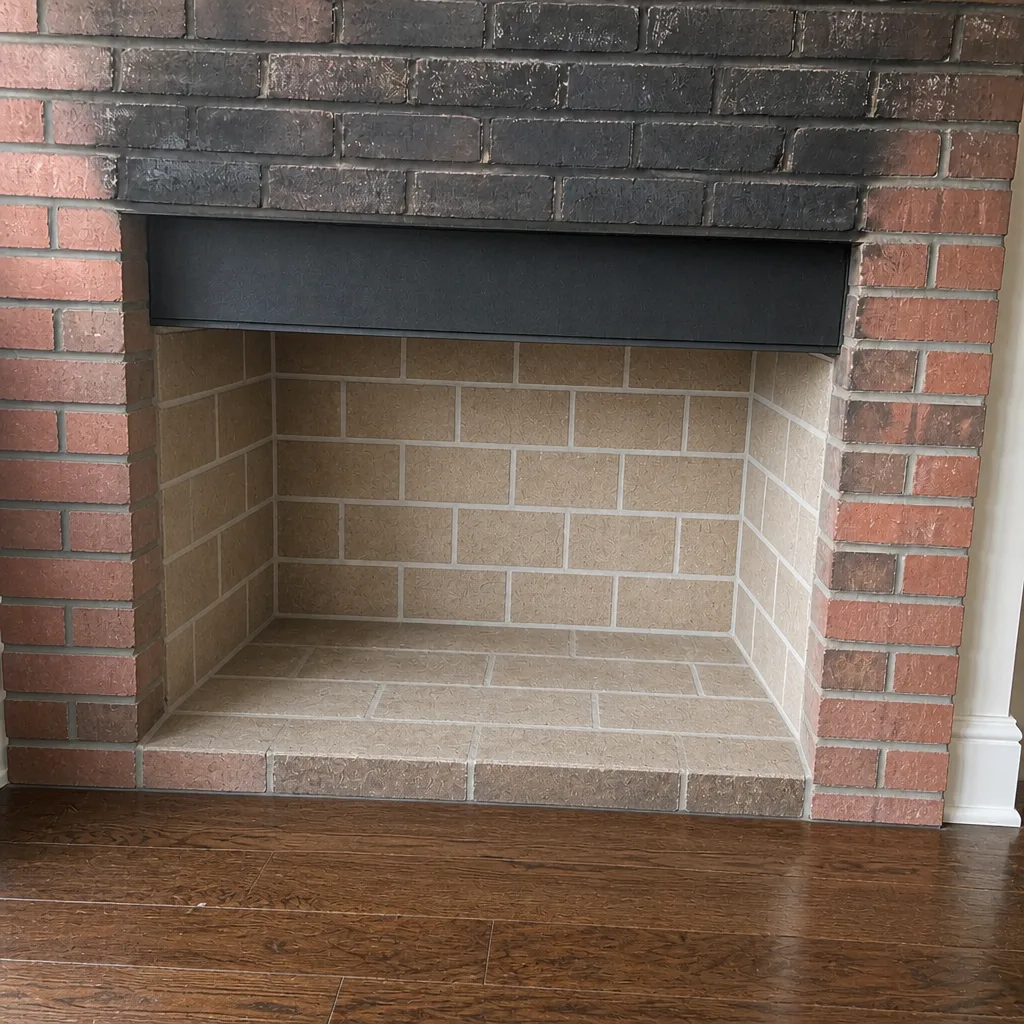
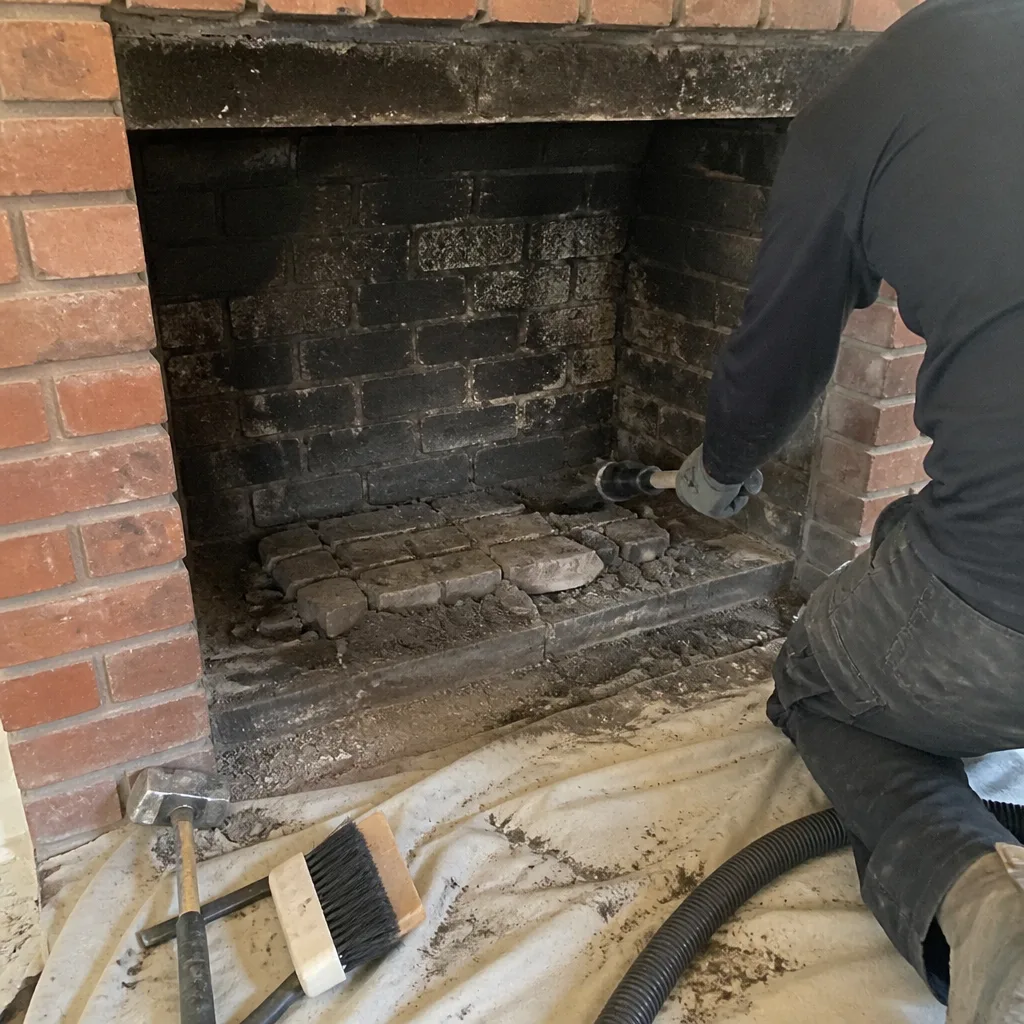
See the difference
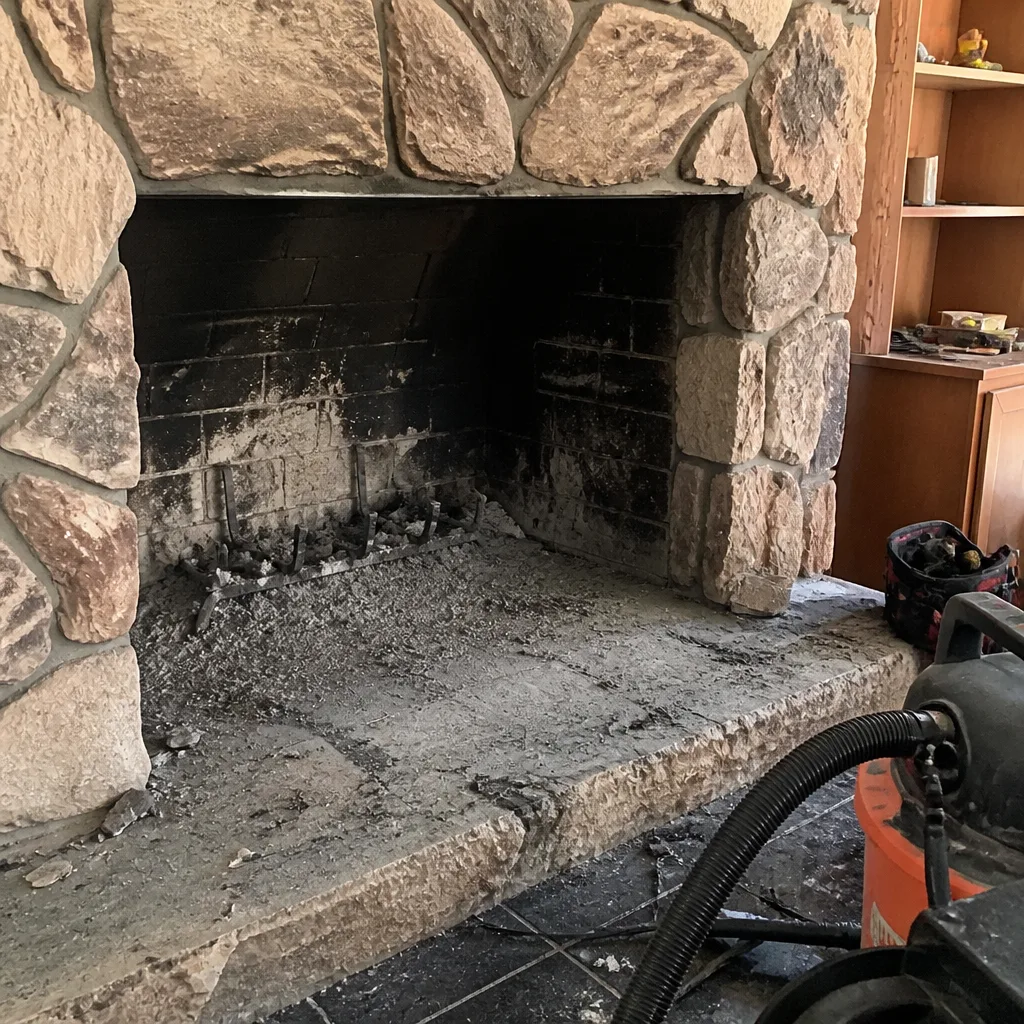 Before
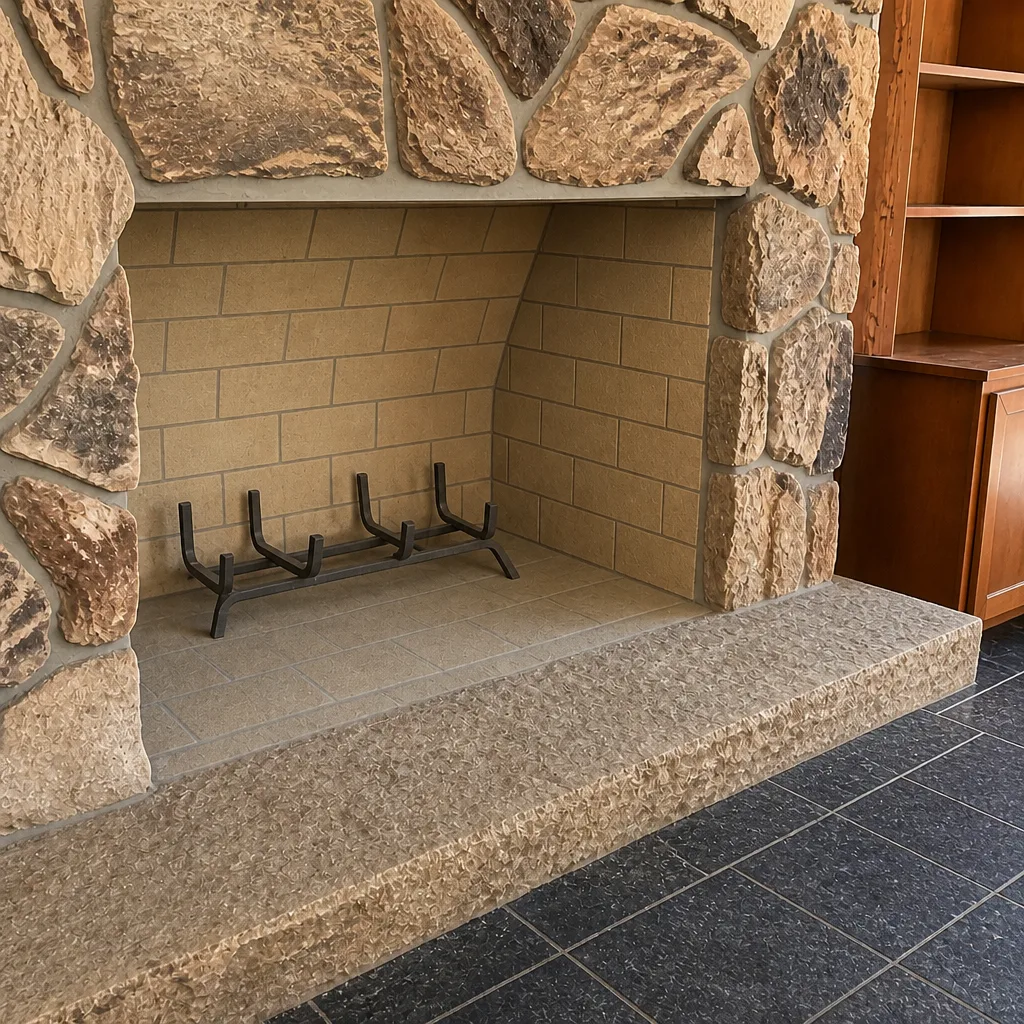 After
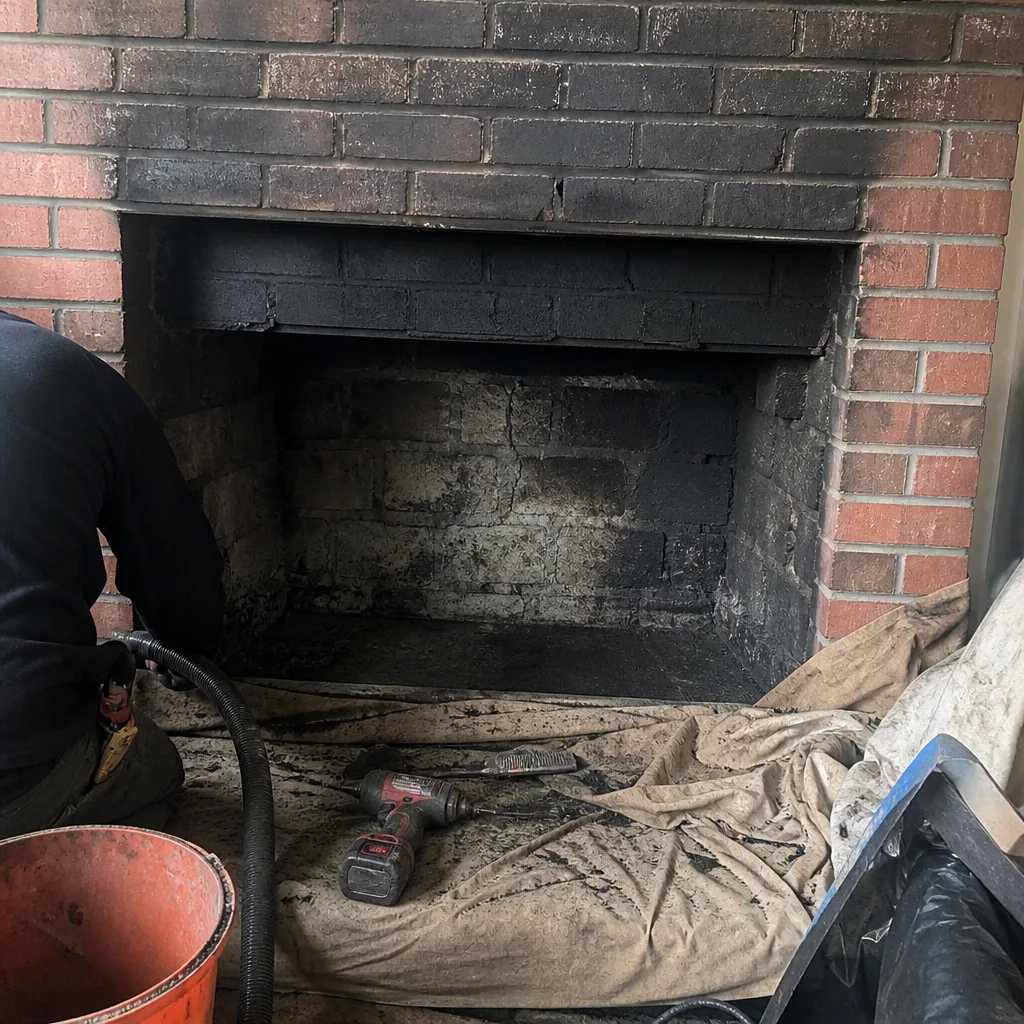 Before
 After
 Before
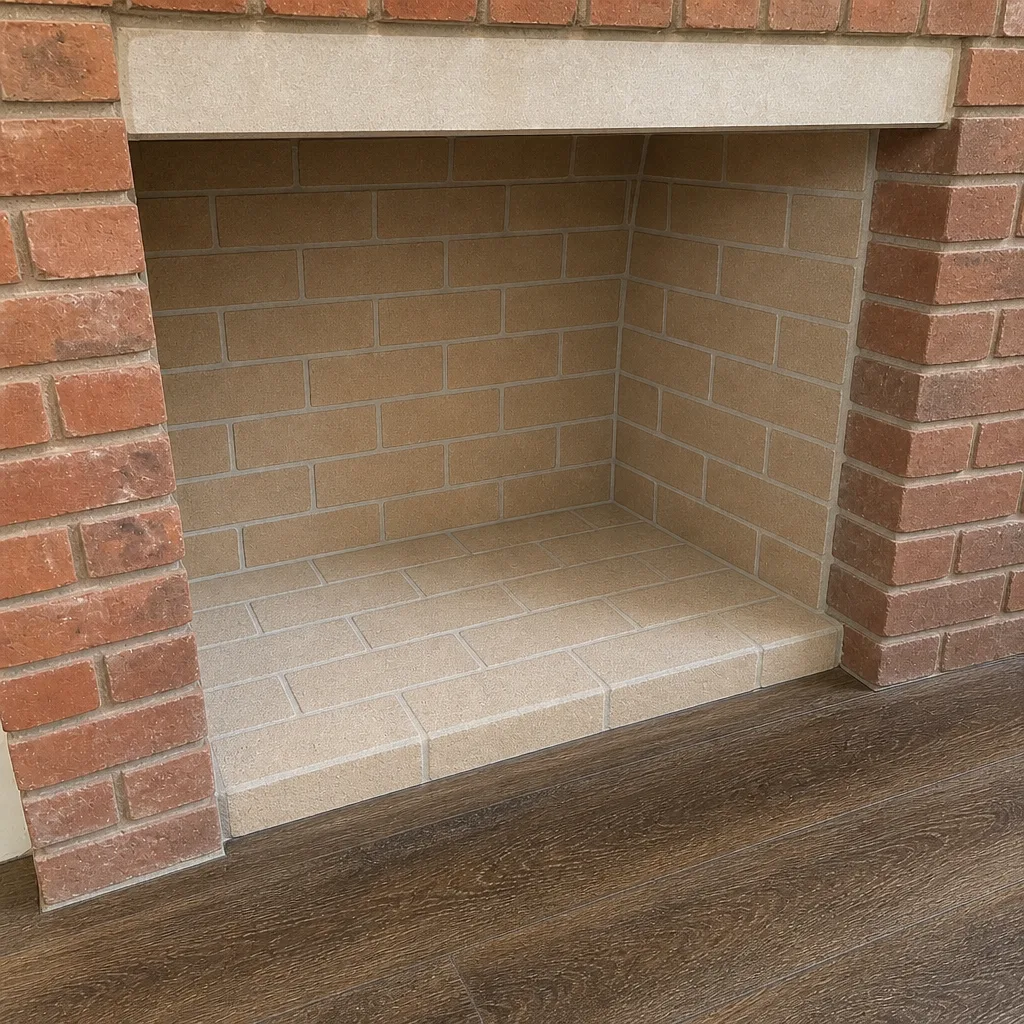 After
When to Call a Professional
Call a professional when any of the five framework questions comes back yes: a prior chimney fire, a chimney or home 20 years or older, a recent purchase, animal intrusion, or smoke spilling into the room. Also call if the creosote is tar-like or glazed, if you can’t see into the flue, or if you’ve been told by an inspector or a previous sweep that repairs are needed. Those are exactly the situations where cleaning without assessment can do more harm than good. Chimney Sweep Antioch offers free estimates in Antioch – call (844) 352-4625. We work with professional-grade lines including DuraFlex, HeatShield, and Olympia Chimney, and we handle sweeping, inspection, and repair as one service so findings don’t get handed off. If you’re ready to book, or just want to ask whether your chimney is a DIY candidate, that call settles it.
Frequently Asked Questions
You can clean your own chimney only if the flue is straight and accessible, the creosote is Stage 1, the chimney has no prior fire damage, and it’s under 20 years old. For any other situation – glazed creosote, a possible liner crack, a recent purchase, or a chimney over 20 years old – professional cleaning and inspection is the safer call. Call (844) 352-4625 for an exact quote – estimates are free.
The general guidance is to have a chimney swept and inspected once a year when it’s in regular use, and more often if you burn a lot of wood or notice creosote buildup. Yearly inspection is the baseline because conditions change with each burn season. If you’ve skipped a season in Antioch, book a visit before the next burn season starts. Call (844) 352-4625 for an exact quote – estimates are free.
Creosote builds up with each fire, and Stage 2 and Stage 3 deposits are what fuel chimney fires. Skipping cleaning also means skipping inspection, so liner cracks and blockages go unnoticed. The risk is fire and carbon monoxide – two hazards that aren’t visible from the firebox. Call (844) 352-4625 for an exact quote – estimates are free.
Resurfacing with HeatShield can restore a deteriorating liner in many cases without a full reline, and a full flexible liner like DuraFlex is needed when the damage is beyond resurfacing. The only way to know which applies is a camera inspection. We show the footage and tell you honestly which you need. Call (844) 352-4625 for an exact quote – estimates are free.
It’s risky in an older home because aging clay liners crack and settle, and those cracks aren’t visible from the firebox. A chimney 20 years or older often has Stage 2 or Stage 3 creosote and possible liner damage. Get a professional inspection before assuming DIY is safe. Call (844) 352-4625 for an exact quote – estimates are free.
A sweep removes creosote and soot; an inspection assesses the condition of the flue, liner, smoke chamber, and firebox, usually with a camera. A sweep without inspection is guesswork, and an inspection without repair capability is just a referral. We do both in one visit. Call (844) 352-4625 for an exact quote – estimates are free.
The Bottom Line
DIY chimney cleaning is a legitimate maintenance option for a narrow set of conditions: a straight, accessible flue, Stage 1 creosote, no prior fire, and a chimney under 20 years old with no known damage. For everything else – and for most Antioch homes that haven’t been serviced in years – professional cleaning and inspection is the safer path. The value of professional service isn’t only the cleaning; it’s the camera inspection, the documentation, and the repair continuity that lets a finding get fixed rather than handed off. If you’re unsure which side of the line you’re on, that’s the question a professional visit answers.
If you’re ready to know what’s actually going on in your chimney, call Chimney Sweep Antioch at (844) 352-4625 for a free estimate. We answer 24/7. Fast dispatch from 7am to 7pm, Sunday through Friday. We handle sweeping, inspection, and repair as one accountable service, using the same professional-grade products contractors specify – DuraFlex, HeatShield, Gelco, Olympia Chimney, Famco, and Copperfield – and we’ll tell you honestly what needs attention now and what can wait. Learn more about how we serve Antioch.
Written by the team at Chimney Sweep Antioch.