
Last updated November 16, 2026
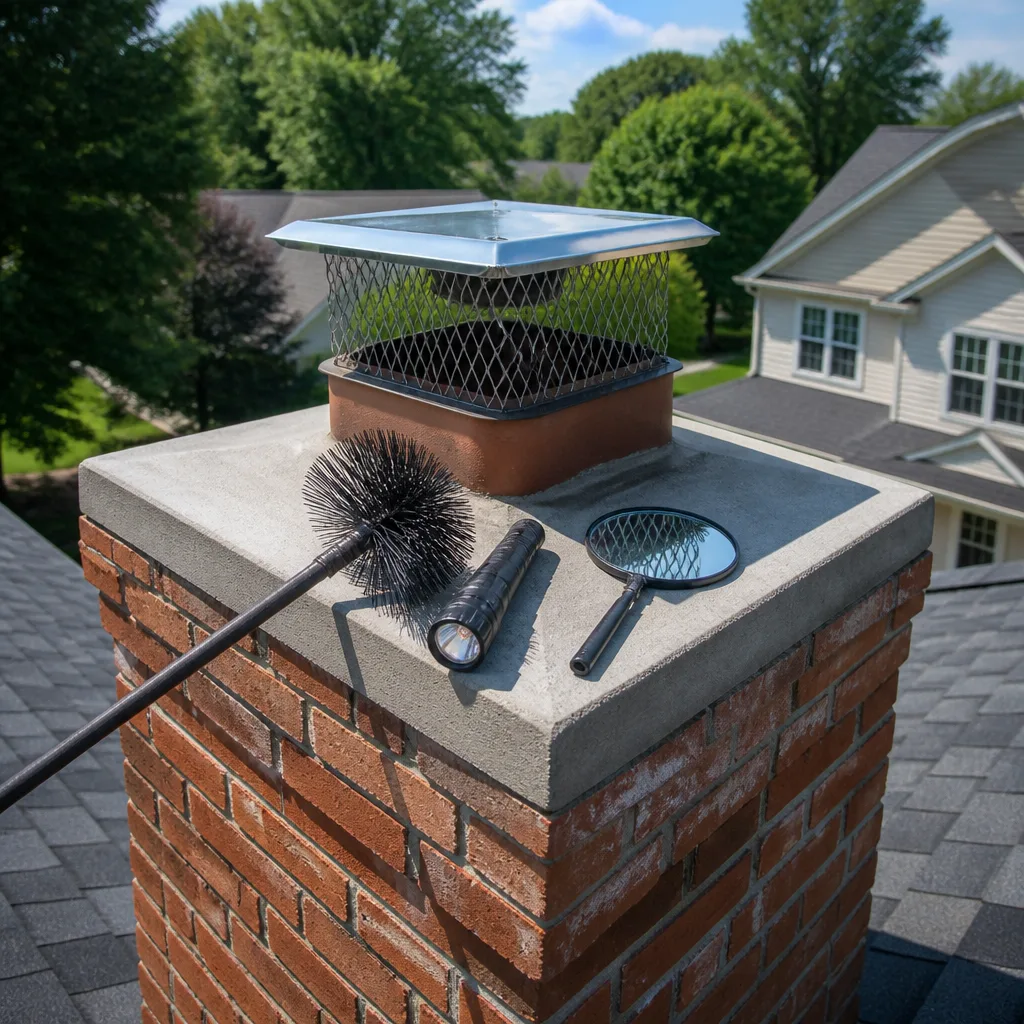 Sweep & inspection
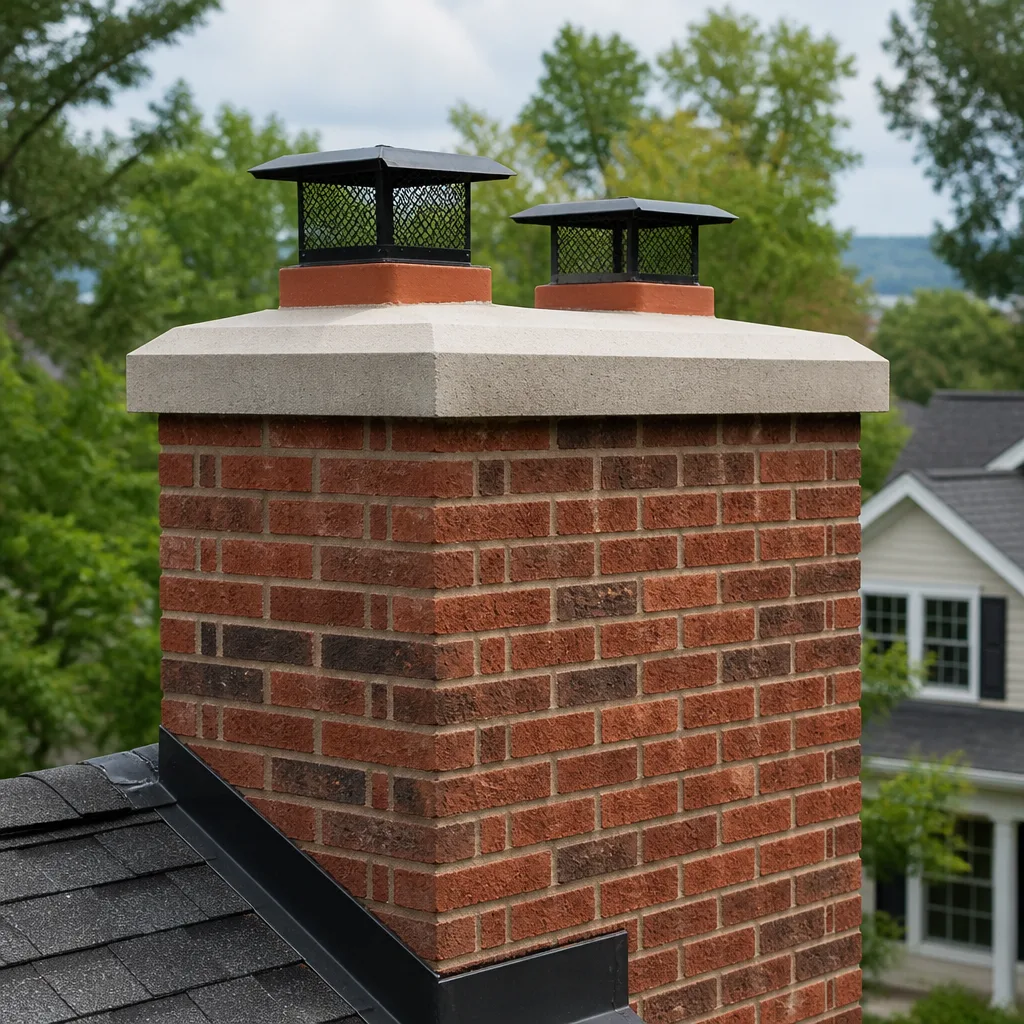 Caps & crowns
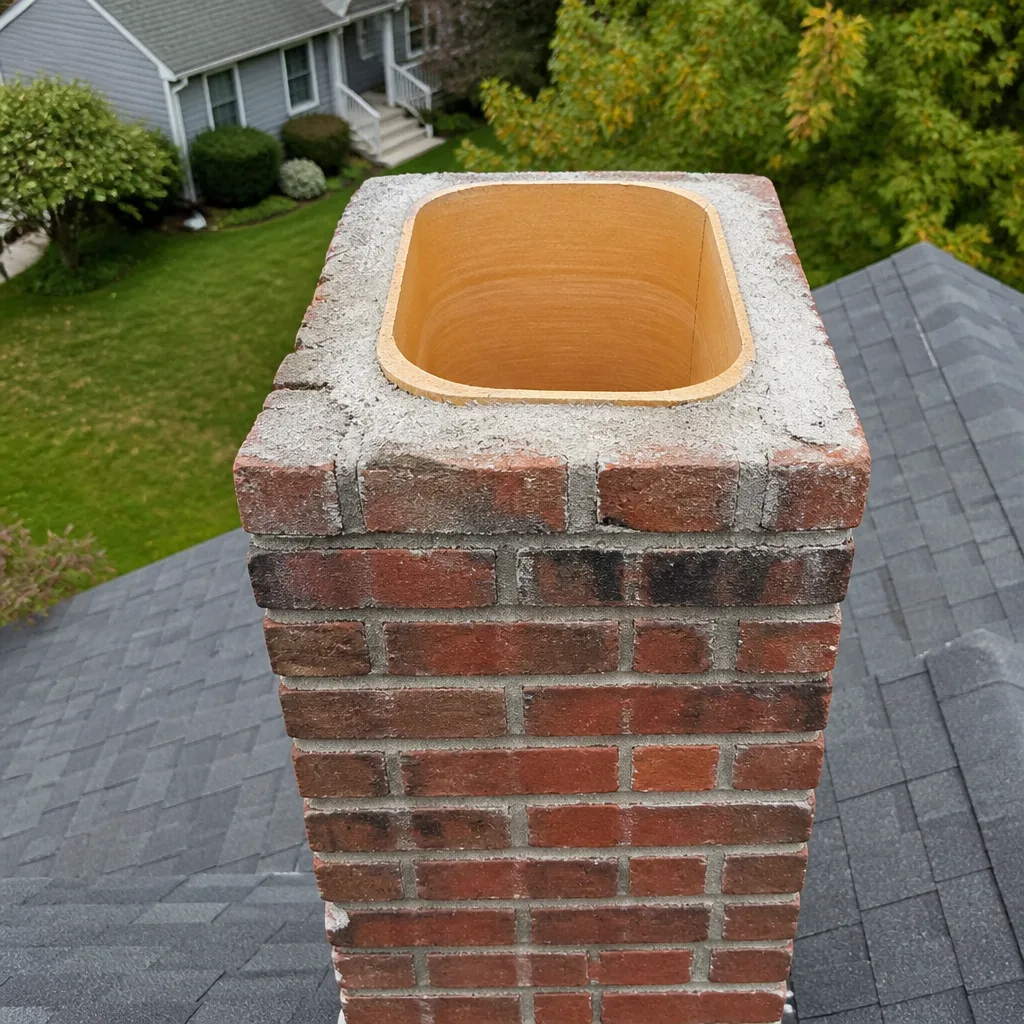 Flue relining
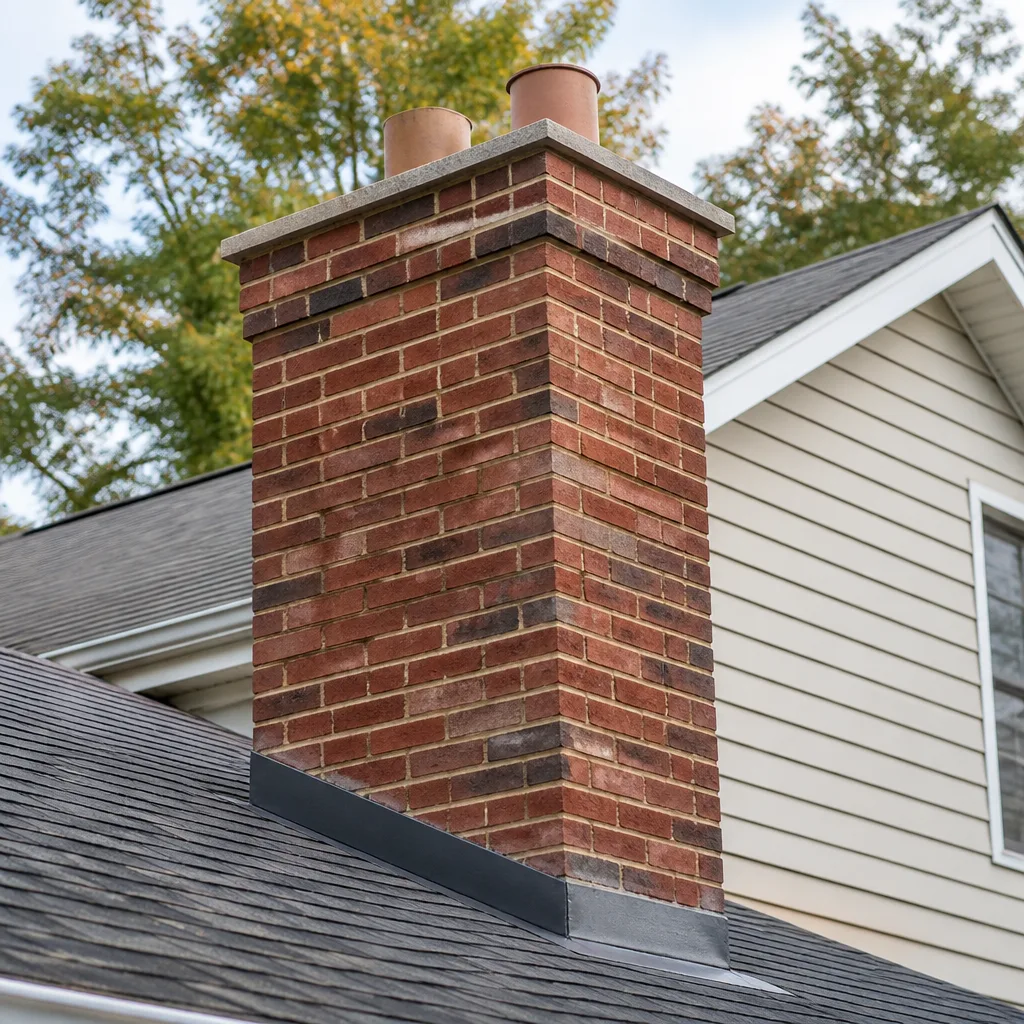 Masonry repair
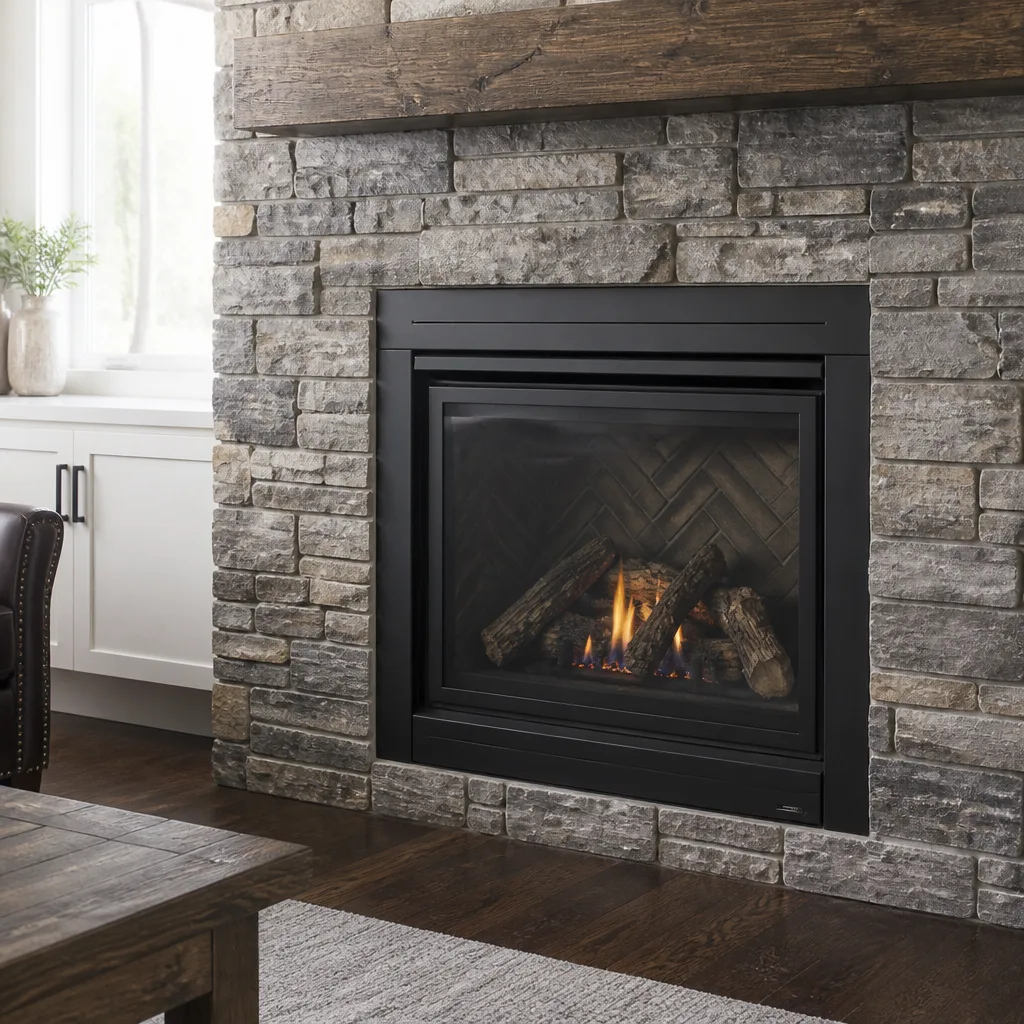 Gas fireplace service
Level 1 sweep and inspection to the NFPA 211 annual standard - flue, crown, cap, and flashing checked and photographed
Chimney sweep logs do not sweep chimneys. They loosen some creosote - which then falls where a brush and vacuum still have to collect it.
How to Hire a Chimney Cleaning Contractor in Antioch: A Step-by-Step Guide
California doesn’t issue a chimney sweep license. There’s no state exam, no apprenticeship requirement, no minimum tool list. Anyone with a brush, a shop vacuum and a magnetic sign can call themselves a chimney professional, and the gap in competence between one contractor and the next is wider than in almost any trade a homeowner deals with. That’s the uncomfortable part. The useful part is that the difference is testable, if you know which questions to ask before the truck pulls into your driveway. This guide walks through how to separate a real flue-system contractor from a brush-and-a-vacuum operation, what certifications actually mean, and what to demand in writing before anyone touches your chimney in Antioch.
Quick Answer
To hire a chimney cleaning contractor in Antioch, verify CSIA certification, ask what inspection camera and documentation system they use, confirm they can perform repairs rather than only diagnose them, and get a written scope with photos before any work begins. A company that sweeps, inspects and repairs under one accountable roof removes the handoff gap where findings get lost between vendors. Price matters less than whether the person on your roof understands the whole system.
Styles & brands we work with
- Sweep & inspection
- Caps & crowns
- Flue relining
- Masonry repair
- Gas fireplace service
Table of Contents
- Why There’s No Chimney License in California
- What CSIA Certification Actually Tests
- Five Questions to Ask Before You Book
- Red Flags in a Low-Bid Chimney Sweep
- How to Verify Insurance That Covers Chimney Fires
- Why Splitting Sweep, Inspection and Repair Creates Gaps
- What Stage 3 Creosote Actually Triggers
- Antioch’s Climate and What It Means for Your Flue
Why There’s No Chimney License in California
California does not license chimney sweeps as a standalone trade. There is no state board that examines sweep competence, no journeyman card, no required continuing education. What does exist is a general contractor license framework that applies to certain structural work, and local permit requirements that vary by jurisdiction. That means the credential question isn’t “are you licensed?” because the honest answer from most sweeps is a shrug. The real question is what voluntary certification they hold and whether it’s current.
This matters more in Antioch than homeowners realize. The housing stock here spans a wide range: mid-century ranch homes with original masonry fireplaces, newer construction with factory-built systems, and a lot of homes where a gas insert was dropped into an old flue without anyone documenting what happened to the original liner. Each of those needs a different diagnostic approach. A sweep who only knows how to push a brush up a masonry chimney is out of their depth the moment they meet a prefabricated metal flue.
What you’re really hiring is judgment. Judgment about whether the creosote glaze you’re looking at is a sweeping problem or a fire-risk problem. Judgment about whether a deteriorating liner can be resurfaced or needs replacement. Judgment about when to tell a homeowner their chimney is fine and they don’t need to spend anything.
That last one is the hardest to find, and it’s the one worth paying for. Call (844) 352-4625 if you’d rather talk through your situation than read the rest. We answer 24/7.
What CSIA Certification Actually Tests
CSIA certification is the closest thing the chimney trade has to a credible baseline. The Chimney Safety Institute of America runs a proctored exam that covers codes, venting principles, system components, and inspection standards, plus a separate review of a technician’s actual work. It is not a guarantee of quality, but it is the minimum signal that someone has been tested on something other than sales technique.
What it tests, roughly:
- Venting fundamentals – how draft works, why flue sizing matters, what happens when a flue is oversized or undersized for the appliance.
- Code knowledge – clearance-to-combustible requirements, termination heights, the standards that govern how a chimney is supposed to be built.
- Inspection standards – the three levels of inspection and when each applies.
- Safety and hazard recognition – creosote stages, blockages, carbon monoxide pathways.
When a contractor claims certification, ask three follow-up questions. Is it current? CSIA certification requires renewal, and a lapsed credential means the person stopped maintaining it. Is the individual certified or is the company simply a member? Those are different things. And can they explain the three inspection levels without looking them up? A certified technician should be able to tell you on the spot when a Level 3 inspection is required and why.
Our technicians have up to 15 years of experience, and we work with the same brands professional contractors specify rather than whatever ships cheapest. When we quote a repair, the product names are in the estimate: chimney repair work that involves a liner gets specified by manufacturer and model, not described in vague terms.
Five Questions to Ask Before You Book
These five questions separate a diagnostic contractor from a brush operator. Ask them on the phone, before you schedule. How the person answers tells you more than any review.
- What camera system do you use, and will I see the video? A proper inspection uses a chimney camera or a video scope fed down the flue. If the answer involves a flashlight and a mirror, the inspection is limited to what’s visible from the firebox. You should be able to watch the screen or see the recording. Photos and footage are the evidence base for everything that follows.
- Do you carry HeatShield or DuraFlex materials, or do you subcontract liner work? HeatShield is a resurfacing system that can restore a deteriorating liner without full replacement. DuraFlex is a flexible liner system used when replacement is the right call. A company that carries these materials can handle the technical part of the job directly. A company that subcontracts it hands your chimney to a third party they don’t control.
- How do you document findings? The answer should be a written report with photos, not a verbal description from the roof. Ask to see a sample report. If they can’t produce one, you have no way to verify what they claim to have found.
- What does a Stage 3 creosote scenario trigger? Stage 3 creosote is the glazed, hardened form that a standard brush won’t remove. It’s a fire hazard. A competent contractor should tell you it requires chemical treatment or, in some cases, more aggressive removal, and that it changes the scope of the job. If the answer is “we just brush it,” they don’t understand what they’re looking at.
- Do you pull permits for liner work? Liner replacement is a structural change to your venting system, and many jurisdictions require a permit. Ask whether they pull one and whether the work gets inspected. A contractor who avoids permits is leaving you with a system your insurer may not cover and a future buyer’s inspector will flag.
If a company can answer all five clearly and show you documentation, you’re dealing with someone who understands flue systems. If any answer is vague, keep calling. You can also read more about how we approach a chimney sweep if you want a sense of what the process should look like.
Red Flags in a Low-Bid Chimney Sweep
The cheapest sweep is rarely the cheapest outcome. Low-bid chimney work follows a predictable pattern, and once you know the pattern it’s easy to spot before you’re standing in your living room being shown a problem you can’t verify.
- Flat-rate pricing with no inspection included. A price quoted over the phone for “a sweep” that doesn’t include a camera inspection is a brush-and-go. You get a cleaned firebox and no information about the liner, the cap, or the crown. That’s half a service sold as a whole one.
- No written report. If findings live only in the technician’s head, you have nothing to compare against next year, nothing to show your insurer, and nothing to give a future buyer. A written report with photos is the deliverable, not an optional extra.
- On-the-spot upselling without photos. This is the big one. A technician climbs down and tells you the liner is shot and it’ll be several thousand dollars. You have no way to see what they saw. That’s not an inspection, it’s a sales script. Nothing should be recommended without camera evidence you can look at yourself.
- No brand names in the estimate. An estimate that says “liner replacement” without naming the product is a red flag. We name the products we use because you should know what’s going into your chimney. When you see DuraFlex specified, you can look it up.
- Reluctance to discuss permits. A contractor who waves off the permit question is either unfamiliar with local requirements or avoiding inspection. Neither is good for you.
- No discussion of the cap and crown. The work on the roof is what protects the work inside the flue. A company that never mentions your chimney cap has probably never thought about what happens when it fails.
How to Verify Insurance That Covers Chimney Fires
General liability insurance is not the same as coverage for chimney-related fire damage. A contractor can carry a valid general liability policy that responds to a dropped ladder or a broken tile and still leave you exposed if their work contributes to a chimney fire months later. The distinction matters because chimney fires are the specific risk this trade carries.
Ask for a certificate of insurance and read what it actually covers. You want to see general liability, and you want to ask directly whether the policy includes completed operations coverage, which is the part that responds to damage caused by work already finished. A sweep who cleaned your flue in spring and contributed to a fire in December is a completed operations claim, not a general liability one.
Ask also about workers’ compensation. If a technician is injured on your roof and their employer doesn’t carry workers’ comp, the claim can come back to you as the property owner. This is a real exposure and it’s invisible unless you ask.
The verification process is straightforward:
- Request the certificate of insurance before the job is scheduled, not after.
- Confirm the policy is current by calling the insurer listed on the certificate. Certificates can be outdated.
- Ask specifically about completed operations coverage.
- Confirm workers’ compensation coverage for anyone who will be on your property.
In our experience, contractors who carry proper coverage are happy to produce it. Reluctance to send a certificate is itself an answer.
Why Splitting Sweep, Inspection and Repair Creates Gaps
Here’s a scenario that plays out constantly. A homeowner books a sweep. The sweep finds a cracked liner tile and tells the homeowner they need repair work. The sweep doesn’t do repair work, so they hand over a referral. The homeowner calls a second company, which comes out, looks at the chimney, and gives a quote that may or may not match what the first company described. Nobody is accountable for the whole system, and the homeowner is left trying to reconcile two descriptions of the same problem.
A sweep without inspection is guesswork. An inspection without repair capability is a referral. The value of a single contractor who does all three is continuity: the person who found the problem is the person who fixes it, and the documentation chain stays intact from inspection report to completed work.
That continuity matters for liability too. If a sweep cleans your flue and a separate contractor relines it and a third party installs the cap, and something goes wrong later, you have three companies pointing at each other. One accountable contractor removes that ambiguity. It’s also why we work across sweeping, inspection and repair as one service relationship rather than three separate transactions. You can read about our full Chimney Sweep Antioch approach if you want the detail.
HeatShield capability is worth calling out specifically here, because it’s the repair-tier skill most sweep-only companies lack. When a liner is deteriorating but not yet failed, resurfacing can restore it without the cost of a full reline. A company that only sweeps will always recommend a reline, because that’s the only tool they have. A company that can do both will tell you honestly which one you need.
What Stage 3 Creosote Actually Triggers
Creosote builds up in three recognizable stages, and the third one changes everything about how a chimney gets serviced. Stage 1 is soot and light flaky deposit, removable with a standard brush. Stage 2 is a crusty, flaky layer that’s denser but still brushable. Stage 3 is glazed, hardened, tar-like, and bonded to the flue surface.
Stage 3 is the fire hazard. It’s also the stage a standard brush won’t touch, because brushing glazed creosote polishes it rather than removing it. When a technician encounters Stage 3, the job stops being a routine sweep. What it triggers:
- Chemical treatment – a creosote remover applied over time to break down the glaze so it can be removed.
- Re-inspection – once the glaze is gone, the flue surface needs to be examined for damage the creosote was hiding.
- Possible liner assessment – glazed creosote often forms where a liner is already compromised. The liner condition determines whether resurfacing or replacement is the right path.
- A conversation about burning habits – Stage 3 doesn’t form by accident. It forms from burning unseasoned wood, restricted air supply, or a flue that’s consistently run too cool.
If a contractor brushes a Stage 3 flue and tells you it’s clean, they’ve either missed it or misrepresented it. Either way, you need a second opinion. This is one of the specific situations where paying for a real inspection is worth more than saving on a sweep.
Antioch’s Climate and What It Means for Your Flue
Antioch winters are mild, which changes the chimney service calendar in ways that surprise people moving here from colder parts of the country. The burn season is shorter and less intense. That sounds like good news, and partly it is, but a shorter season creates its own pattern: fires get built less often, the flue stays cooler between burns, and cool flues are where creosote forms fastest.
A chimney that runs hot and often burns cleaner than one that sees a fire twice a month. Intermittent burning means more condensation inside the flue, more opportunity for creosote to deposit, and more chance that a homeowner skips a year of service because “we barely used it.” Barely used is exactly the usage pattern that produces glazed creosote.
There’s a second local factor: the mix of housing. Antioch has a lot of homes where a gas insert or a gas appliance was added to an existing masonry chimney. Gas venting behaves differently from wood smoke, and the byproducts can be more corrosive to a liner that was designed for wood. If your home has a gas insert in an older fireplace, the liner question is worth asking directly rather than assuming it was handled properly when the insert went in.
The cap and crown matter here too. A failing chimney cap lets water and animals into a flue that was just cleaned, which undoes the work. We work with Gelco and Copperfield products for exactly this reason: the exterior components are part of the system, not an afterthought. If you’re searching for a chimney contractor in Antioch, ask whether they’ll assess the cap and crown during the same visit.
Common Mistakes to Avoid
- Hiring on price alone. A cheap sweep that includes no inspection leaves you with a cleaned firebox and zero information about your liner. You’ll pay for the inspection separately later, or you’ll skip it and find out the hard way.
- Accepting a verbal diagnosis. If a technician tells you the liner is failing and can’t show you the camera footage, you’re being asked to trust a claim you can’t verify. Ask to see the evidence before agreeing to anything.
- Assuming the state license question settles it. California doesn’t license chimney sweeps as a standalone trade, so a contractor who says “we’re licensed” may mean a general contractor license that doesn’t speak to chimney competence at all. Ask about CSIA certification instead.
- Splitting sweep and repair across two companies. The handoff gap is where liability gets murky and problems get lost. One contractor accountable for the whole system is simpler and safer.
- Skipping the cap and crown check. A chimney that gets cleaned but has a failing cap will be full of debris again within a season. The roof-side components protect the flue-side work.
- Burning unseasoned wood to save money. It’s the fastest route to Stage 3 creosote, and Stage 3 changes a routine sweep into a repair job.
- Waiting until something smells wrong. The smell is a symptom of a problem that’s already developed. An annual inspection catches it earlier, when the fix is smaller.
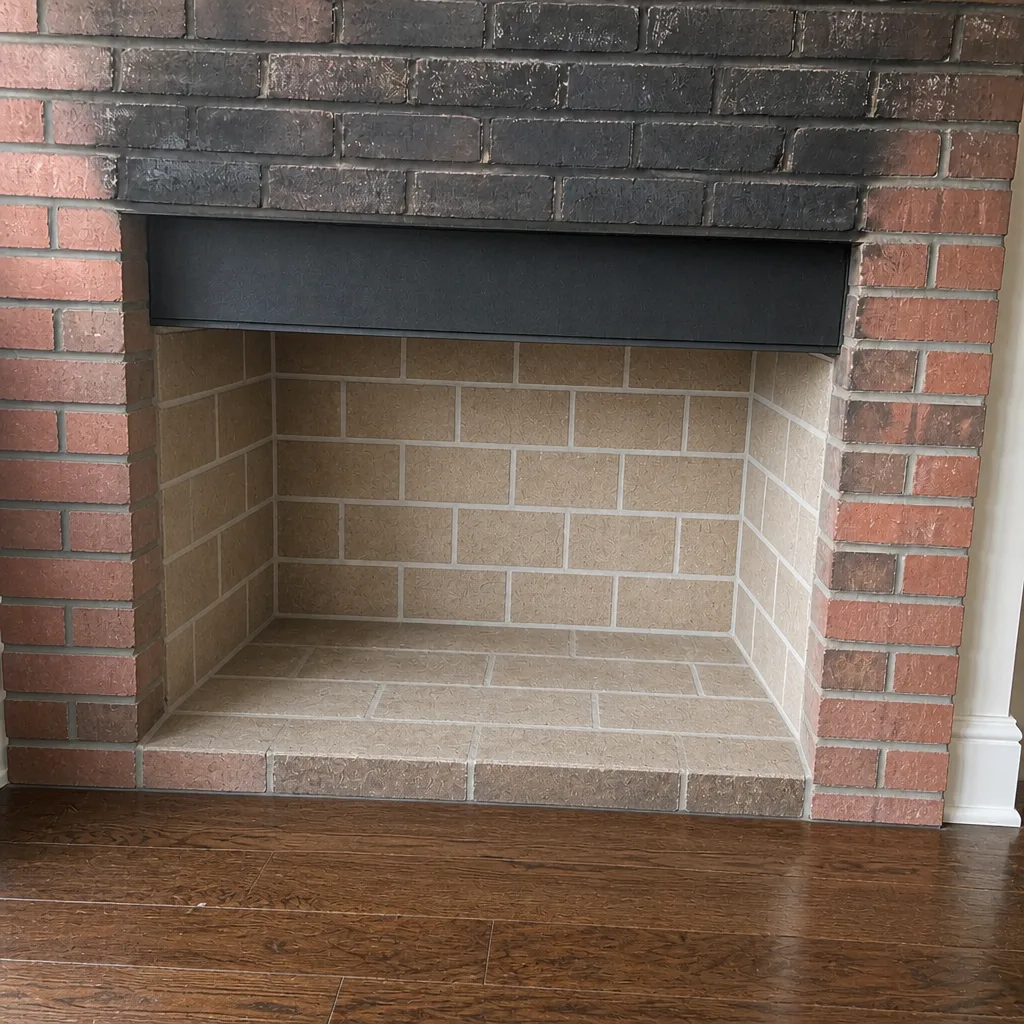
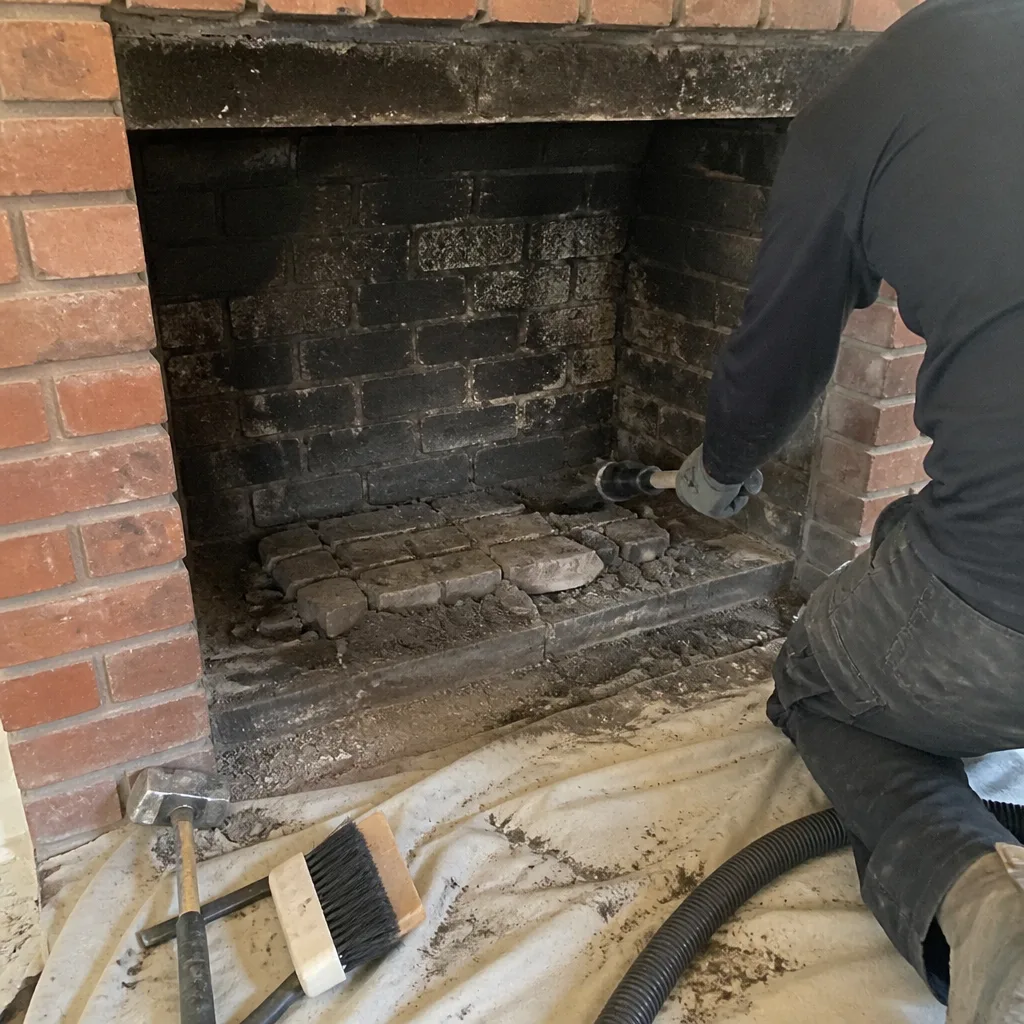
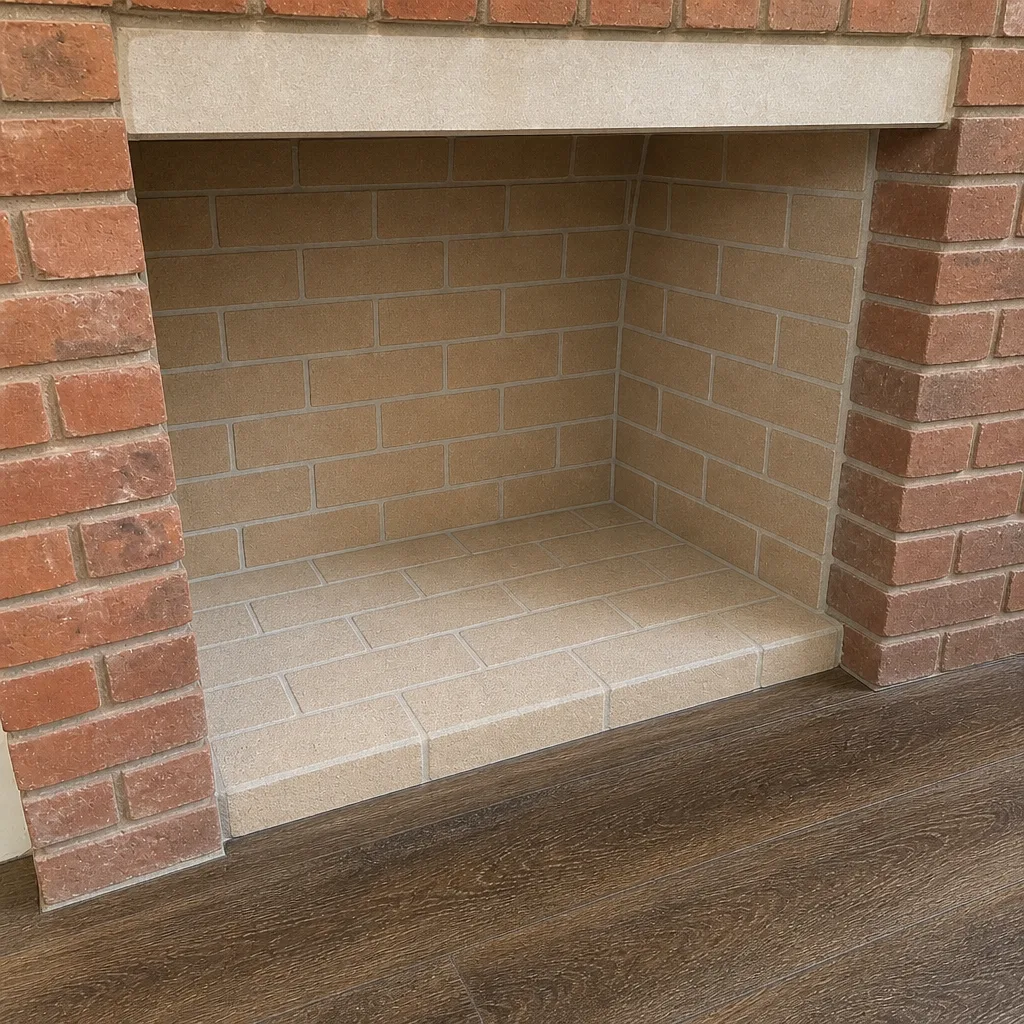
See the difference
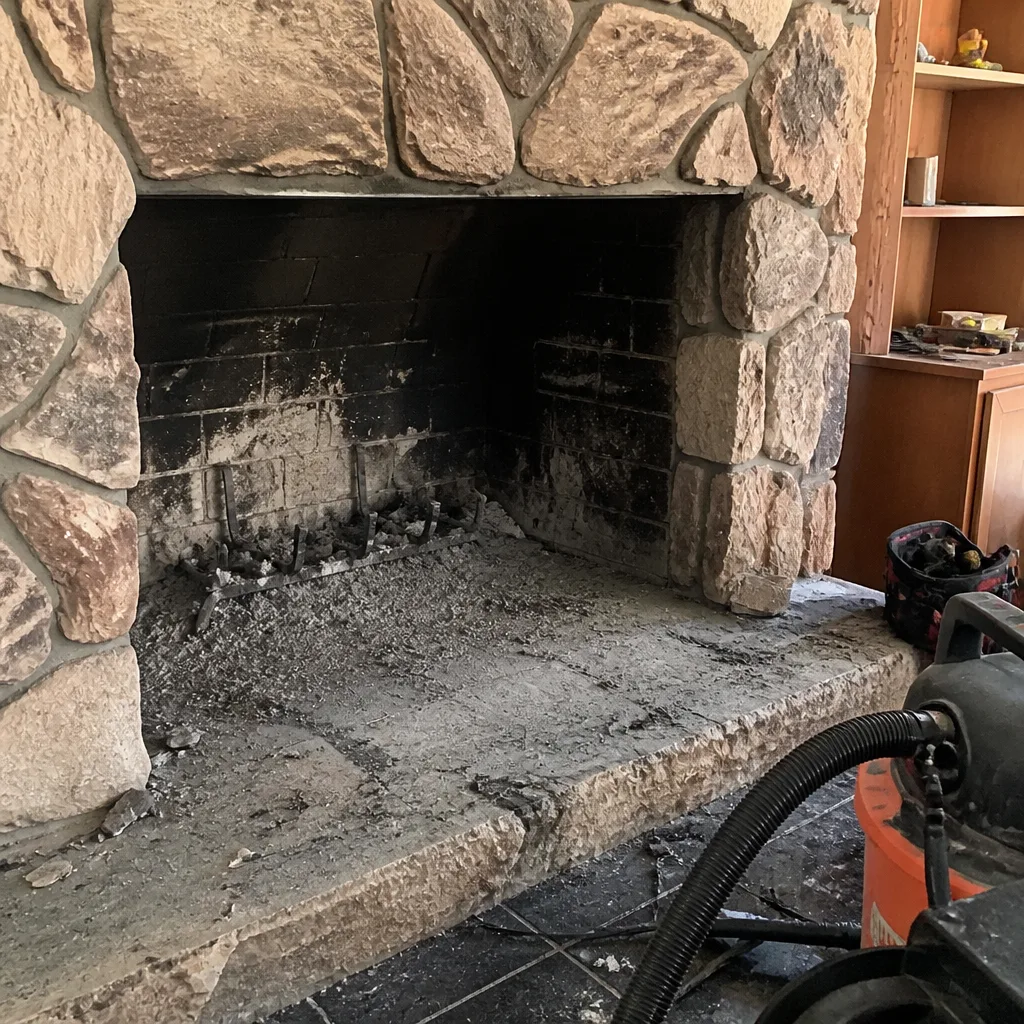 Before
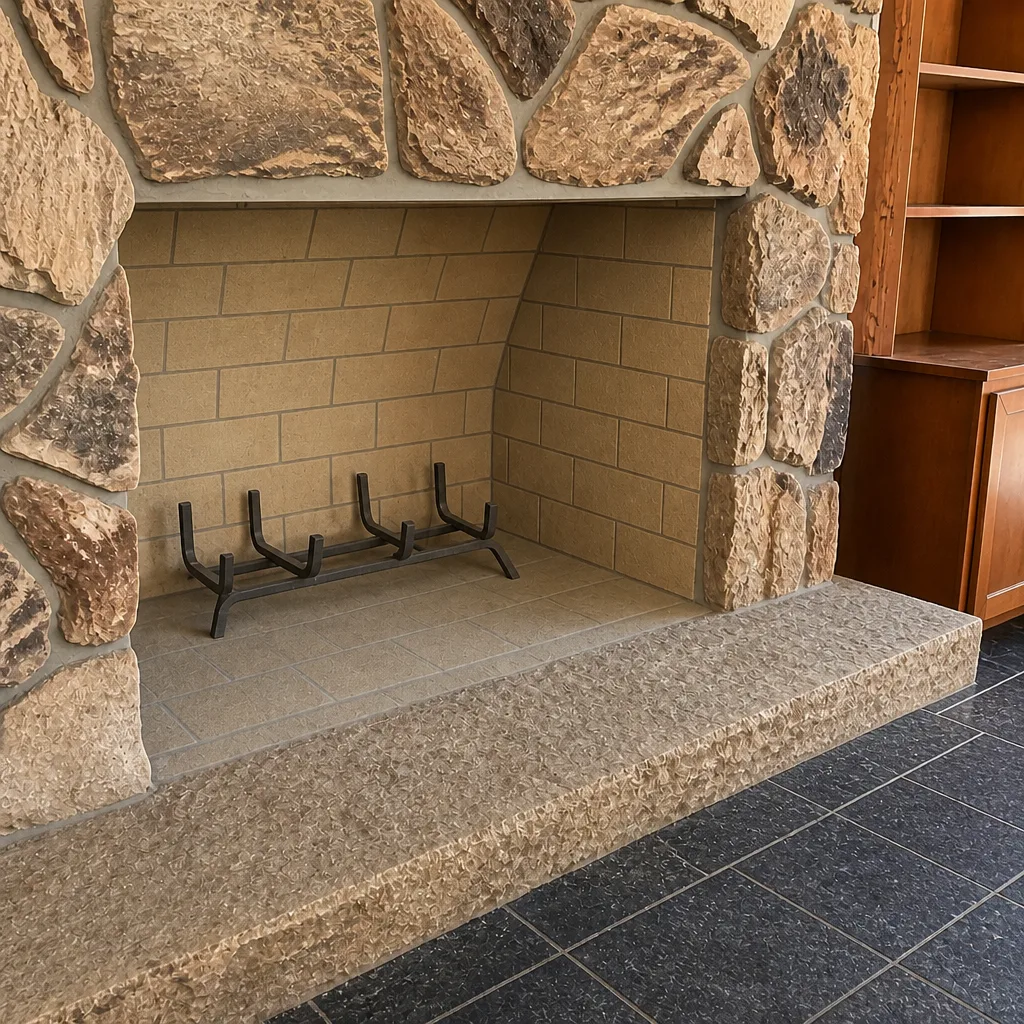 After
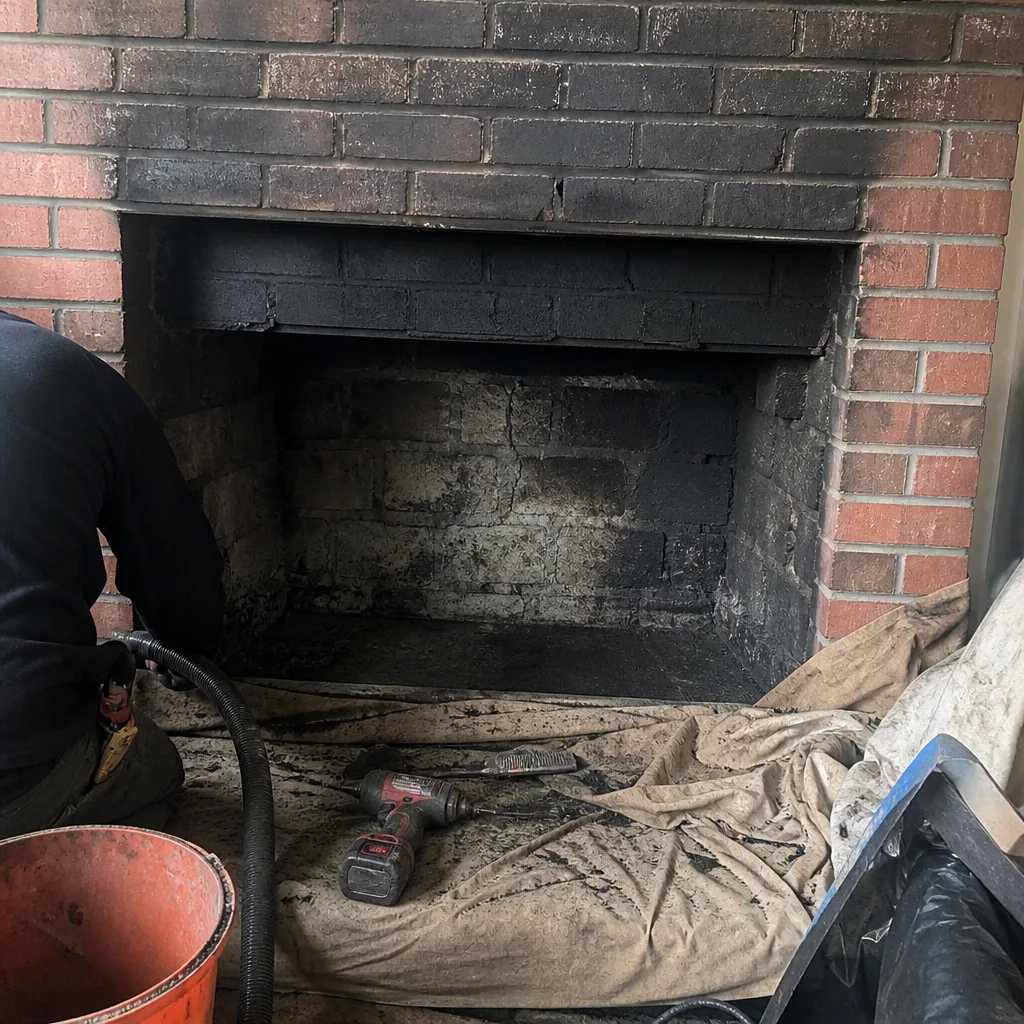 Before
 After
 Before
 After
When to Call a Professional
Some situations call for a sweep, some for an inspection, and some for a repair assessment. If you’ve burned a full season without service, book a sweep and inspection together. If you’ve been told by a previous inspector that repairs are needed, call a company that can actually do the repair rather than only confirm the diagnosis. If you smell smoke in the house when the fireplace isn’t running, or if you notice staining on the chimney exterior, stop burning and get an assessment.
A gas appliance that’s been vented into an older flue without documentation is worth a look regardless of how well it seems to work. And if it’s been more than a year, the inspection is overdue. Chimney Sweep Antioch offers free estimates in Antioch. Call (844) 352-4625. We answer 24/7. Fast dispatch from 7am to 7pm, Sunday through Friday.
Frequently Asked Questions
California doesn’t issue a standalone chimney sweep license, so there’s no state credential to check. What you can check is CSIA certification and whether the company carries general liability and workers’ compensation insurance. Call (844) 352-4625 and we’ll walk you through what we hold.
A standard sweep and inspection is quoted per job based on your chimney’s configuration, so the written estimate is the final word. What matters more than the number is what’s included: a camera inspection and a written report with photos should be part of the scope, not an add-on. Call (844) 352-4625 for a free estimate.
Some can and some can’t. A sweep-only company diagnoses and refers; a full-service company diagnoses and fixes. We work across sweeping, inspection and repair, including HeatShield resurfacing and DuraFlex liner installation, so findings don’t get handed off. Call (844) 352-4625 to discuss what your chimney needs.
CSIA certification is a proctored exam on venting, codes, inspection standards and hazard recognition, plus a work review. It’s the closest thing to a credible baseline in a trade with no state license. Ask whether the individual technician is certified and whether the certification is current. Call (844) 352-4625 if you want to know who’ll be on your roof.
Once a year is the standard recommendation for a wood-burning chimney, and it holds even in Antioch’s mild climate. A shorter burn season with intermittent fires can produce creosote faster than regular hot burning, so “we barely used it” isn’t a reason to skip. Call (844) 352-4625 to book a sweep and inspection.
We’re closed on Saturday. We dispatch Sunday through Friday, 7am to 7pm, and we answer 24/7. A call outside dispatch hours is booked into the next opening, Sunday through Friday, 7am to 7pm. For a chimney that needs attention, call (844) 352-4625 and we’ll book you into the next opening.
Ask to see the camera evidence before you agree to anything. A liner recommendation should be supported by footage showing the actual deterioration, and a company that can do both HeatShield resurfacing and DuraFlex replacement can tell you honestly which one your chimney needs. Call (844) 352-4625 for a second opinion with documentation.
The Bottom Line
Hiring a chimney contractor in Antioch comes down to reading competence, because the state doesn’t test for it. Check CSIA certification and ask whether it’s current. Ask what camera system they use and whether you’ll see the footage. Confirm they can perform the repairs they recommend rather than only diagnose them. Read the insurance certificate, including completed operations coverage, and don’t accept a verbal diagnosis of a problem you can’t see. The company that answers all of this clearly is the one worth booking. The company that gets vague is the one to keep calling past.
Call (844) 352-4625 for a free estimate. We answer 24/7. Fast dispatch from 7am to 7pm, Sunday through Friday.
Written by the team at Chimney Sweep Antioch.