
Last updated November 16, 2026
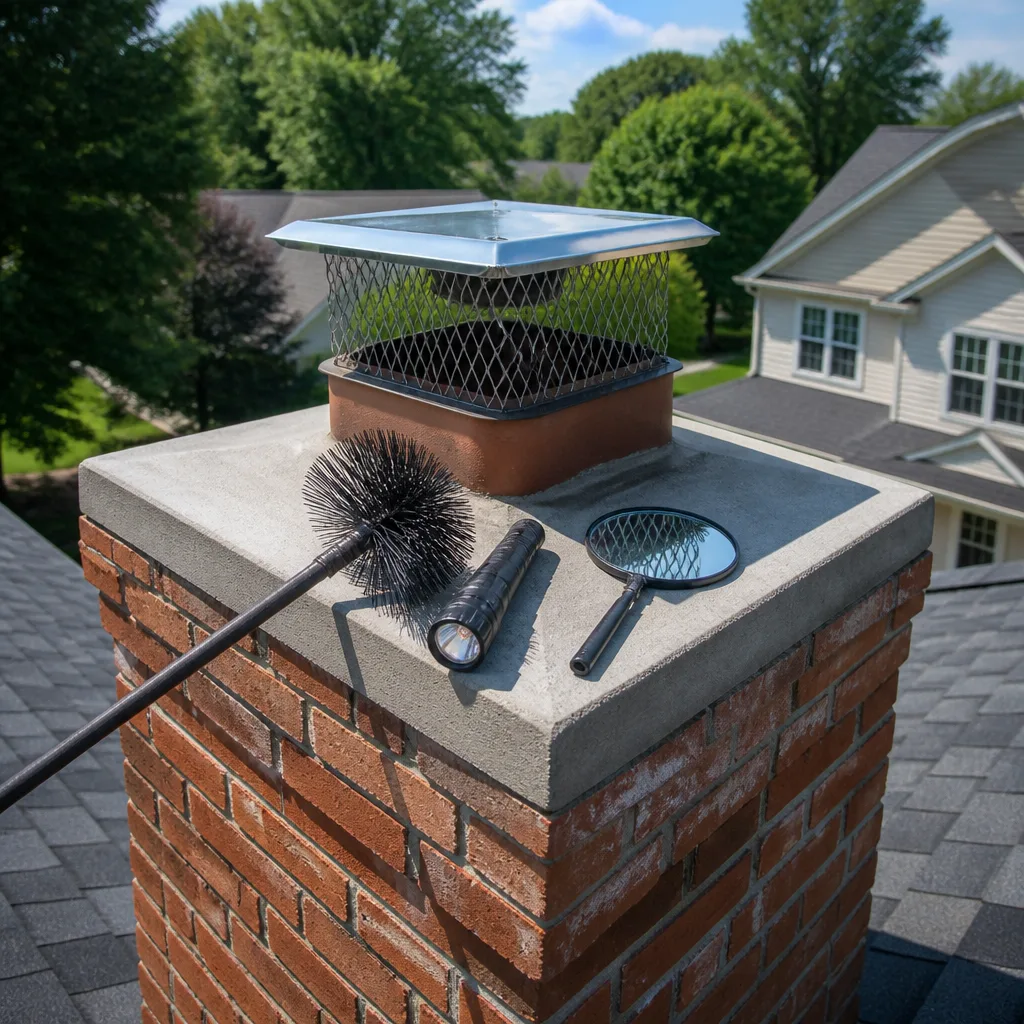 Sweep & inspection
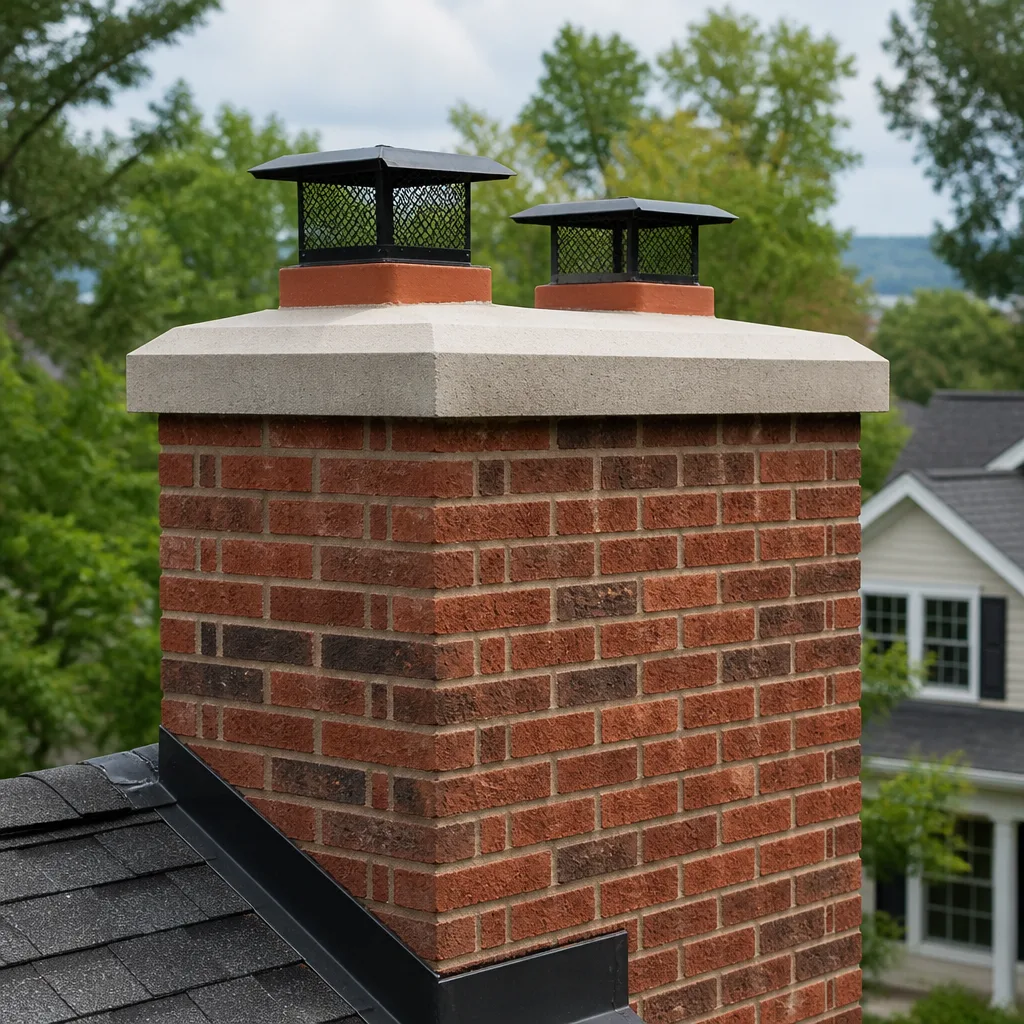 Caps & crowns
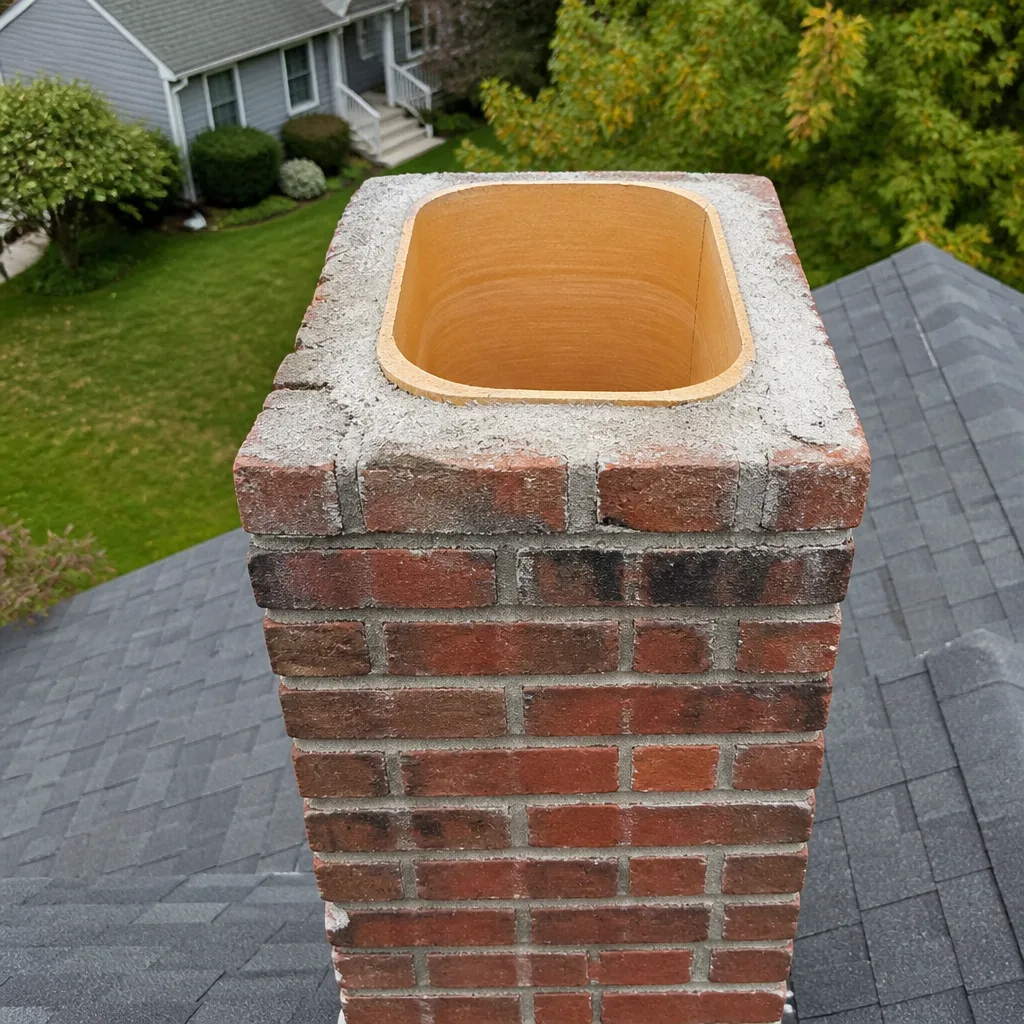 Flue relining
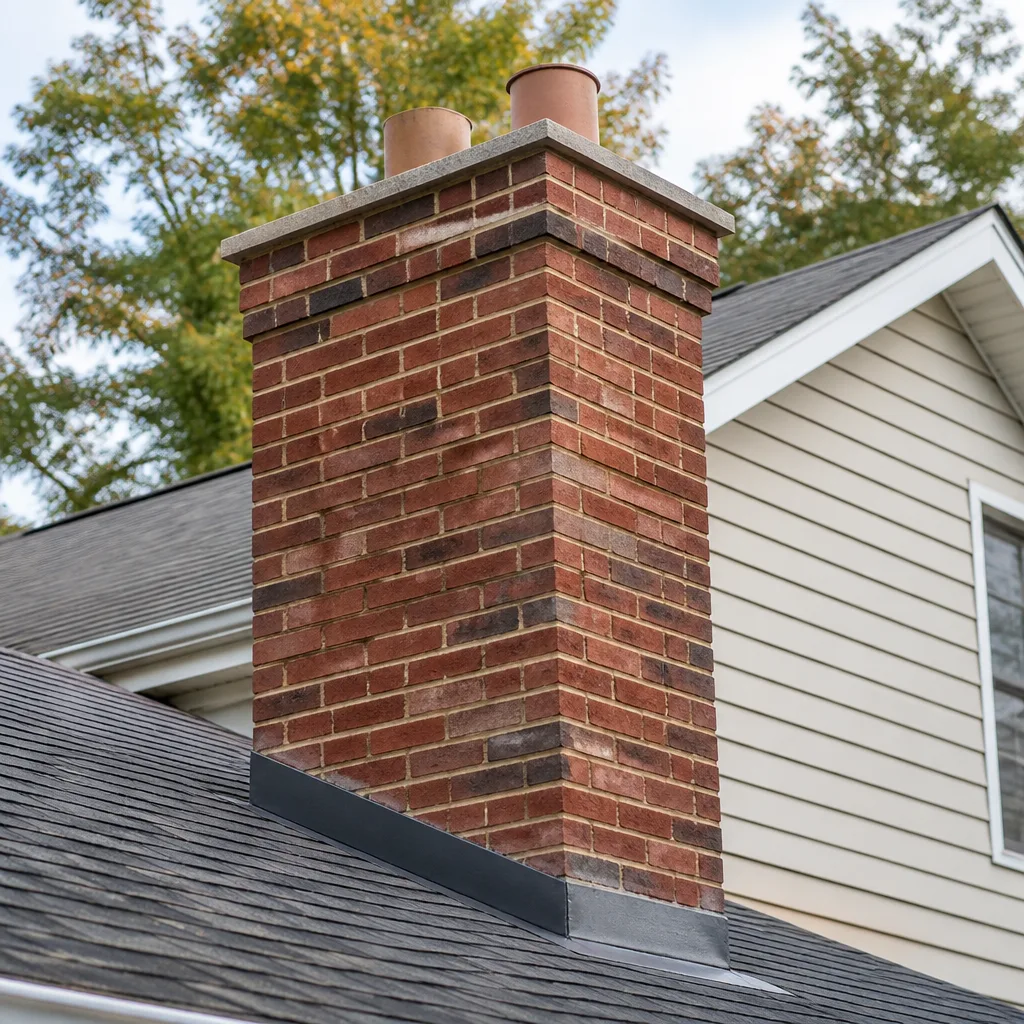 Masonry repair
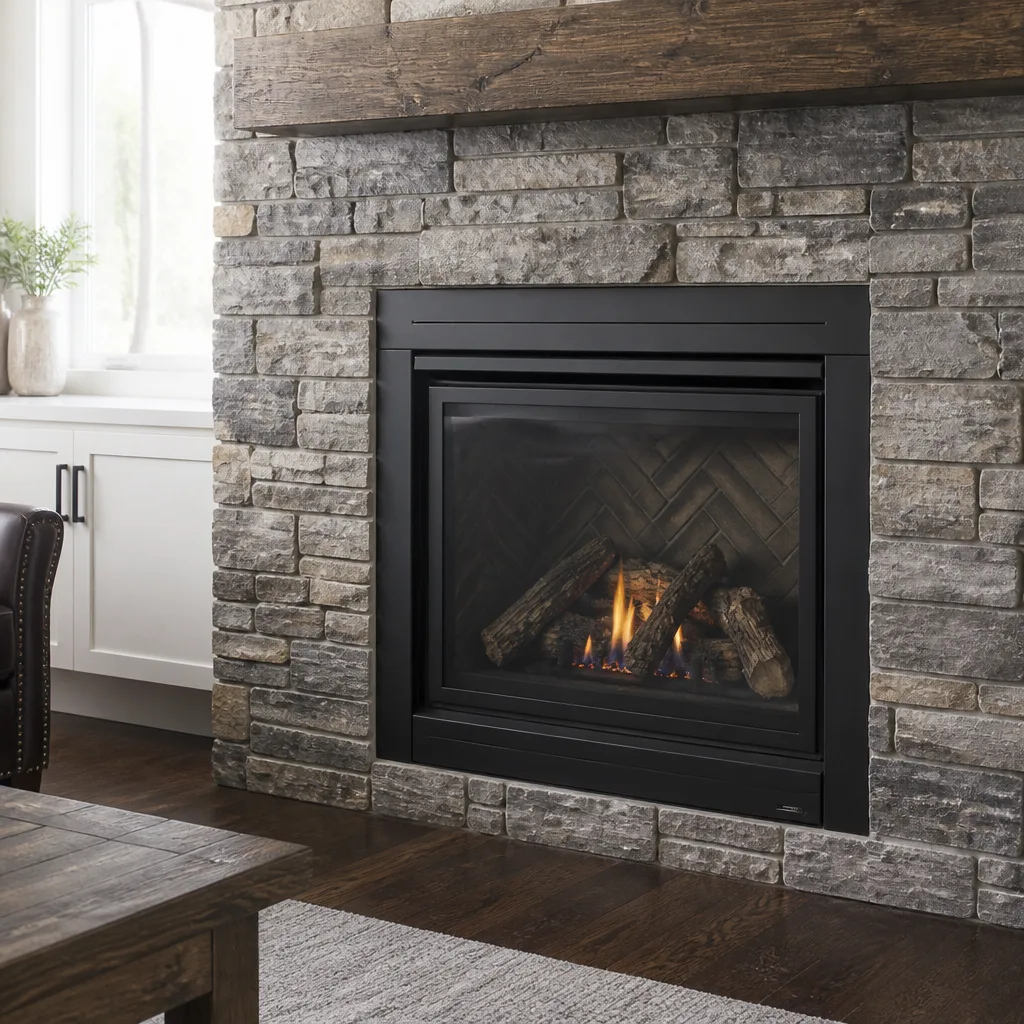 Gas fireplace service
Level 1 sweep and inspection to the NFPA 211 annual standard - flue, crown, cap, and flashing checked and photographed
Chimney sweep logs do not sweep chimneys. They loosen some creosote - which then falls where a brush and vacuum still have to collect it.
Seasonal Chimney Cleaning Care for Antioch: Year-Round Homeowner’s Guide
Scheduling your chimney cleaning in October is the chimney equivalent of changing your oil light after the engine seizes. The burn season has already started, and you’re servicing a system that’s been working hard for weeks. Most homeowners in Antioch treat chimney care as a fall chore, but the calendar that actually makes sense here runs the other way. The best window for sweeping, inspection, and repair work falls in late winter through spring, when the rain has stopped, the creosote is fully deposited, and the trades aren’t buried. This guide covers that calendar month by month, plus what the Delta wind, the dry summer heat, and Antioch’s housing stock all mean for your flue.
Styles & brands we work with
- Sweep & inspection
- Caps & crowns
- Flue relining
- Masonry repair
- Gas fireplace service
Quick Answer
Chimney care in Antioch follows a counterintuitive schedule: the highest fire-risk window is fall, but the best time to clean, inspect, and repair is February through April. By late winter the winter’s creosote load is fully deposited, rain damage to the crown and mortar is visible, and lead times are short. Fall should be preparation and verification, not a first-time cleaning.
Table of Contents
- Why Antioch’s Climate Rewrites the Chimney Care Calendar
- The February to April Window: Why It’s the Best Time to Book
- What Antioch’s Dry Summers Do to Mortar and Crowns
- The Fall Preparation Checklist Before Fire Season
- The Delta Wind Corridor and Smoke Spillback
- Mid-Season Warning Signs During Winter Use
- Gas Inserts and Oil Heat: A Different Seasonal Rhythm
- What an Inspection Actually Covers
- Common Mistakes to Avoid
- When to Call a Professional
- Frequently Asked Questions
- The Bottom Line
Why Antioch’s Climate Rewrites the Chimney Care Calendar
Most chimney advice you’ll read online was written for cold-climate markets where the burn season runs six months and the ground freezes. That advice doesn’t map cleanly onto Antioch. Here, the fireplace runs in a shorter, cooler stretch through late fall and winter, frequently idles through the hottest weeks, and then resumes when the Delta breeze starts pulling cool air off the water in the evening.
That rhythm changes what your chimney is actually doing. In a colder market, the flue is hot and dry more of the year. In Antioch, the flue spends long stretches dormant and warm, then transitions into use quickly when the first cold front moves through. Creosote formed during the winter burn doesn’t disappear when you stop using the fireplace. It sits in the flue, and it ages there.
What that means in practice:
- Your worst creosote accumulation is not in October. It’s in February, after a full season of use.
- Your best chance to see rain-related damage is right after the wet season ends, not at the start of the dry season when the evidence has baked in.
- Your highest fire-risk window is the first six weeks of fall use, when deposits built up over the prior winter get reheated before anyone has looked at them.
- Your best availability for repair work is late winter through spring, when the trade is between its busiest stretches.
Treating chimney maintenance as a fire-season task gets the calendar exactly backwards. Our technicians have up to 15 years of experience, and the single most common scheduling mistake we see is the October cleaning call that arrives two weeks into regular use. For a fuller picture of the region’s housing and how service works here, see the page on Antioch.
The February to April Window: Why It’s the Best Time to Book
February through April is the optimal window for a sweep, inspection, and any corrective work in Antioch. The season’s creosote is fully deposited, rain damage is fresh enough to read, and the trades have room in the calendar to do the work properly instead of squeezing it into a fire-season squeeze.
Three things happen at once in this window, and each of them makes the visit more useful:
- Creosote is at its annual peak. A winter of burning has deposited what it’s going to deposit. Sweeping in February or March captures the full season’s accumulation in one job instead of sweeping twice.
- Moisture damage is visible and fresh. Crown cracks, mortar joint deterioration, and rust on the damper or firebox show up clearly when the wet season has just ended and the evidence hasn’t been sun-bleached or covered with new debris.
- Lead times are short. The trade’s calendar fills up around September and October. In late winter and spring, scheduling is genuinely easier, which means repair work can be sequenced with the sweep rather than broken into separate visits months apart.
If you know your flue needs relining, this is the window to plan it. We work with DuraFlex flexible liner systems and can specify and install the liner rather than handing off the technical part of the job. If the liner is deteriorated but still has structure, chimney repair with HeatShield resurfacing can often extend the life of the existing liner without a full reline. The honest answer to which you need comes from a camera inspection, not a phone call. Spring is when both options are on the table before fire season arrives.
There’s a second benefit that doesn’t get talked about enough. Work done in spring has the whole dry season to settle and cure before it’s tested by fire and rain. Caps, crowns, and liner repairs installed in spring see a full summer of thermal cycling before the first fall burn. That’s a better proving window than a rush job in September.
What Antioch’s Dry Summers Do to Mortar and Crowns
Antioch’s dry summer months are hard on masonry, and the damage usually shows up as hairline cracks that appear before the first fall burn. The mechanism is straightforward: daily thermal cycling, with hot afternoons and cool Delta evenings, expands and contracts the crown and the brickwork around the flue opening. Over many summers, that cycling opens cracks where the crown meets the flue, and those cracks are the entry point for the rain that eventually reaches your interior.
The crown is the concrete or mortar cap at the top of the chimney. It slopes away from the flue to shed water. When it cracks, water runs down the outside of the flue tile instead of off the crown, and that water ends up inside the chase. From there it works into the damper, the firebox, and eventually the ceiling or wall cavity near the chimney.
What to look for at the end of summer, ideally with binoculars from the ground:
- Hairline cracks in the crown, particularly where it meets the flue tile
- Cracked or missing mortar at the chimney’s top courses
- A cap that sits loose or has visibly bent legs
- Rust streaks on the exterior of the metal chase or the firebox damper
- White staining (efflorescence) on the brick, which indicates water has been moving through it
A chimney cap shields the flue opening from rain and debris, and it’s the cheapest insurance on the whole system. We work with Gelco and Famco caps and venting components, and the cap is often the difference between a chimney that stays dry through the winter and one that leaks into the damper each rainy season. Caps get overlooked because they’re exterior and out of sight, but they protect every bit of interior work that’s already been done.
The Fall Preparation Checklist Before Fire Season
By the time fall arrives in Antioch, your chimney should already be clean, inspected, and repaired. Fall is for verification, not first-time service. If you’ve done the spring work, the fall pass is a short list of checks that take an hour and confirm the system is ready for use.
Here’s the fall checklist we recommend, in order:
- Confirm the sweep happened. If you swept in spring, the flue should be clean. If you didn’t, book it now before the fire season window closes, not after it has started.
- Check the cap screen. Birds, squirrels, and insects nest in caps through the dry season. A blocked screen causes smoke spillback and can also trap heat in the flue. Clear or replace as needed.
- Test the damper seal. Open and close the damper and feel for cold air moving past it when closed. A leaking damper runs up your heat bill in gas-burning setups and causes smoke control problems in wood-burning ones.
- Open the flue before the first fire. Obvious, but it’s the single most common cause of smoke in the living room on the first cold evening of the year.
- Check the cap is secure. Delta wind gusts can work a loose cap off during the dry season. A quick visual from the ground or a look with binoculars will confirm it’s still seated.
- Look at the firebox and damper for rust or new staining. Fresh rust is a water entry signal, not just cosmetic.
This is also the point at which you should schedule the sweep if you haven’t yet. The window between the end of the dry season and the first burn is narrow, and the calendar fills quickly. Booking before the first rain of the season gives you flexibility. For a dedicated guide to the sweep itself, see the page on chimney sweep.
The Delta Wind Corridor and Smoke Spillback
Smoke spillback in Antioch is frequently blamed on a draft problem. It’s usually a cap or liner sizing problem, and the Delta wind is the aggravating factor. The wind corridor runs across the area with a fairly consistent afternoon and evening push off the water. That push affects the pressure on the leeward side of a chimney, and it changes how the flue behaves compared to a house in a calmer microclimate.
When the wind pushes against a chimney, three things can happen, and they have different fixes:
- Downdraft. Wind comes over the top of the flue and drives air back down. This is a cap problem, and a proper wind-resistant cap or a taller cap often resolves it.
- Pressure differential. The house is tighter than the flue draws, and the wind pulls a small negative pressure on the interior. This is a venting and combustion air problem, not a chimney problem, and the fix involves how the appliance draws makeup air.
- Undersized or oversized flue. A flue that is too small for the appliance, or too large for the firebox, will draw poorly under wind. Flexible liner systems are specified by the appliance’s venting requirements, not whatever fits. This is why DuraFlex and similar liner systems come in multiple diameters.
If your fireplace spills smoke into the room on windy Delta afternoons specifically, and not on calm evenings, the pattern is the diagnostic. Calm-evening spillback points elsewhere. Wind-specific spillback points to the cap, the flue termination height, or the flue sizing. The Chimney Sweep Antioch team can run the inspection and tell you which one you actually have, then fix it. A sweep-only company diagnoses and refers; we sweep, inspect, and repair under one roof.
Mid-Season Warning Signs During Winter Use
Mid-winter is not the time for a first sweep, but it is the time to watch for warning signs that mean the chimney needs attention before the season ends. Some of these are safety-critical and worth acting on promptly. Others are maintenance flags you can schedule for spring.
Signs to stop burning and call:
- Smoke rolling back into the room from the firebox on a cold evening with the flue open. This is a venting failure, not a quirk of the fire.
- A strong, sharp smell that wasn’t there earlier in the season. Creosote smell intensifies as deposits build. It can also indicate a flue obstruction.
- Any smoke or soot stains on the exterior of the chimney chase, or on the wall above the fireplace. These suggest a leak or a crack.
- Damper that’s harder to operate than it was at the start of the season. Rust or warping from water entry, or creosote buildup in the damper frame.
Signs to note and schedule for spring:
- Burning noticeably less efficiently than a season ago
- More visible smoke than in previous years
- A soft spot or loose tile you notice near the hearth
- Cap issues spotted with binoculars (bent cap, missing screen)
Sweeping, inspection, and repair on the flue carry real safety risk, and the two things homeowners most often try to handle themselves are the ones they should never touch: creosote at height and the interior of a hot flue. Leave the flue work to a trained professional. Our technicians have up to 15 years of experience working with creosote, and they’re equipped for what’s actually up there.
Gas Inserts and Oil Heat: A Different Seasonal Rhythm
A gas insert or a gas or oil furnace flue doesn’t run on quite the same calendar as a wood-burning fireplace, but the seasonal logic still favors late winter through spring. Gas appliances vent at lower temperatures than wood fires, which means creosote isn’t the concern. What is a concern is condensation, rust, and debris.
Gas and oil exhaust carries water vapor. In a chimney that runs intermittently, that vapor condenses on the inside of a cool flue. Over the dry season, when the appliance is idle, the condensation can pool and cause rust at the appliance flue collar and in the vent connector. Spring is the right time to inspect a gas or oil vent because the wet season has ended, and any corrosion from the winter’s condensation is visible.
The other gas and oil issue is debris. Sheared bits of vent liner, animal nests, and pieces of the cap screen can fall into the flue over the dry season. A gas insert on spring start-up with a blocked vent will not vent correctly, and the result is carbon monoxide in the room, not smoke. This is not a scare tactic; it’s the reason gas vent inspection has its own scheduled place in the calendar. Oil has its own concerns, particularly soot accumulation in the flue, which isn’t visible without a camera.
If you’re not sure what your venting needs, the inspection answers that. We include a camera inspection and a photo report with every visit, which means you see the state of the flue rather than taking our word for what’s happening.
What an Inspection Actually Covers
An inspection is not a sweep with a flashlight. It’s a full-system assessment of the flue, the appliance connection, the firebox, the damper, the chimney exterior, and the cap. The report tells you what’s sound, what needs attention, and what can wait.
The system has five main parts, and each has its own failure modes:
- Flue. Liner integrity, creosote level, obstructions, cracks in tile. Read with a camera.
- Firebox and damper. Refractory panels, damper operation and seal, mortar joints.
- Crown. Cracks, slope, seal to the flue tile.
- Cap and screen. Seating, screen integrity, wind resistance.
- Exterior chase or brickwork. Mortar joints, efflorescence, obvious water entry points.
The inspection is where the pressure to sell work typically comes from, and it’s a fair thing to be skeptical of. The way we handle it is to show you the photos from the camera inspection so you can see the creosote build-up, the cracks, or the deteriorated liner yourself. There’s no “trust us” step. If your system can safely wait until next spring, we say that. We’d rather do the sweep, hand you the photos, and be your spring call than sell repair you don’t need.
When repair is needed, the range of what we can do is broad because we work across the disciplines that make up the chimney. Liner work through HeatShield resurfacing or DuraFlex relining. Cap and venting through Gelco and Famco. And the sweep and inspection on the same visit. A sweep without inspection is guesswork. An inspection without repair capability is a referral. Both of those hand-offs cost you time and put a second contractor in the middle of your chimney’s history. Inspection-to-repair continuity solves that.
Common Mistakes to Avoid
- Treating October as the first cleaning of the year. You’re sweeping mid-season and you’ve already burned the previous season’s creosote through the first fires. Book in late winter or spring and fall becomes verification.
- Skipping the sweep because “you don’t use it that much.” The National Fire Protection Association recommends annual chimney inspection, and in a mild winter market like Antioch, “less use” still means a full season of deposits. The volume is small, but it’s in the same place, and it builds.
- Reading Delta wind spillback as a draft problem and adding a fan. A powered draft assist on a flue with a cap or sizing problem masks the real cause and can worsen the venting. Diagnose the actual cause before adding equipment.
- Capping a chimney yourself. A cap installed on a cracked crown makes the water entry worse, because water pools where the cap’s fasteners are. The cap has to sit on a sound crown.
- Assuming a hairline crown crack is cosmetic. Any crack that reaches the flue tile is a water channel, and the cost of the crack reopening is usually seen inside the house first.
- Leaving the flue open through the dry season. An open flue in Antioch draws hot summer air up and can leave condensation and insects in the firebox. It also means the damper seal has failed, which is worth checking.
- Letting a “not sure if I need a reline” diagnosis sit until fall. The spring window is when liner and cap work can be scheduled, sourced, and installed before fire season. Waiting compresses the schedule on a job that shouldn’t be rushed.
When to Call a Professional
Call a professional if you’ve burned a full season without a sweep, if you’ve seen any smoke spillback on calm evenings, if the cap is loose or missing, or if the crown shows visible cracks from the ground. Call sooner if smoke or soot stains have appeared on the wall above the fireplace. If a previous sweep told you a reline is needed, and you want a second look from a company that can do the work, the inspection is the right starting point. Don’t chase a chimney fire or a persistent chemical smell on your own; stop burning and get a technician out.
Chimney Sweep Antioch offers free estimates in Antioch. Call (844) 352-4625. We answer 24/7. Fast dispatch from 7am to 7pm, Sunday through Friday. The written estimate sets the price; there’s no surprise line.
Frequently Asked Questions
Sweeping a wood-burning fireplace in Antioch typically runs from about $180 to $340 depending on the flue’s condition, creosote level, and whether a camera inspection is bundled in. A gas insert or oil furnace vent sweep usually runs lower because there’s less creosote to remove. Liner work and repair are per-job by written estimate. Call (844) 352-4625 for an exact quote; estimates are free.
Once a year is the baseline, and once per burn season is the practical recommendation in Antioch. Because the local burn season is shorter than in colder climates, once a year usually aligns with the calendar if the sweep is booked in late winter or spring. A gas insert vent should still be inspected annually even without creosote, because debris and condensation are the concerns. Call (844) 352-4625 to book the annual sweep.
Often not. A deteriorated liner with intact structure is a candidate for HeatShield resurfacing, which restores the liner’s interior surface without replacing it. A liner that has failed structurally, or is badly undersized for the appliance, needs a DuraFlex flexible liner system instead. The camera inspection is what tells you which category you’re in, and the photos let you see the evidence for yourself. Call (844) 352-4625 and we’ll show you what’s actually there before any repair is discussed.
Creosote builds up on the flue walls with each fire, and when the deposit is thick enough, a hot fire can ignite it. That’s a chimney fire, and it can damage the liner and spread beyond it. Skipping also means you lose the annual inspection that catches crown cracks, cap damage, and liner deterioration before they become water entry into the home. Call (844) 352-4625 to schedule the sweep and inspection together.
Yes, for most homeowners. Spring follows the burn season, so the winter’s creosote is fully deposited and rain damage is visible. Lead times are shorter, and repairs can be scheduled, sourced, and installed before fire season. Fall should be verification and preparation, not first-time service. Call (844) 352-4625 to book the spring window before it fills.
Wind-specific smoke spillback is usually a cap, flue termination height, or flue sizing problem, not a general draft failure. Antioch’s Delta wind corridor is the aggravating factor, and the pattern of spillback on windy afternoons specifically points to the fix. Call (844) 352-4625 for an inspection; the camera tells us which of the three is causing it.
The Bottom Line
The chimney care calendar in Antioch runs on a different rhythm than most online advice assumes. The high fire-risk window is fall, but the best time to sweep, inspect, and repair is February through April, when the season’s creosote has deposited, rain damage is fresh and visible, and the trade has room to do the work. Fall becomes verification: cap screen clear, damper seal tested, crown intact. Summer is when hairline crown cracks form from thermal cycling, and Delta wind is why wind-specific smoke spillback gets misread as a draft problem. Book the spring window, look at the camera photos, and let the evidence decide what gets repaired. Call (844) 352-4625 for a free estimate.
Written by the team at Chimney Sweep Antioch.
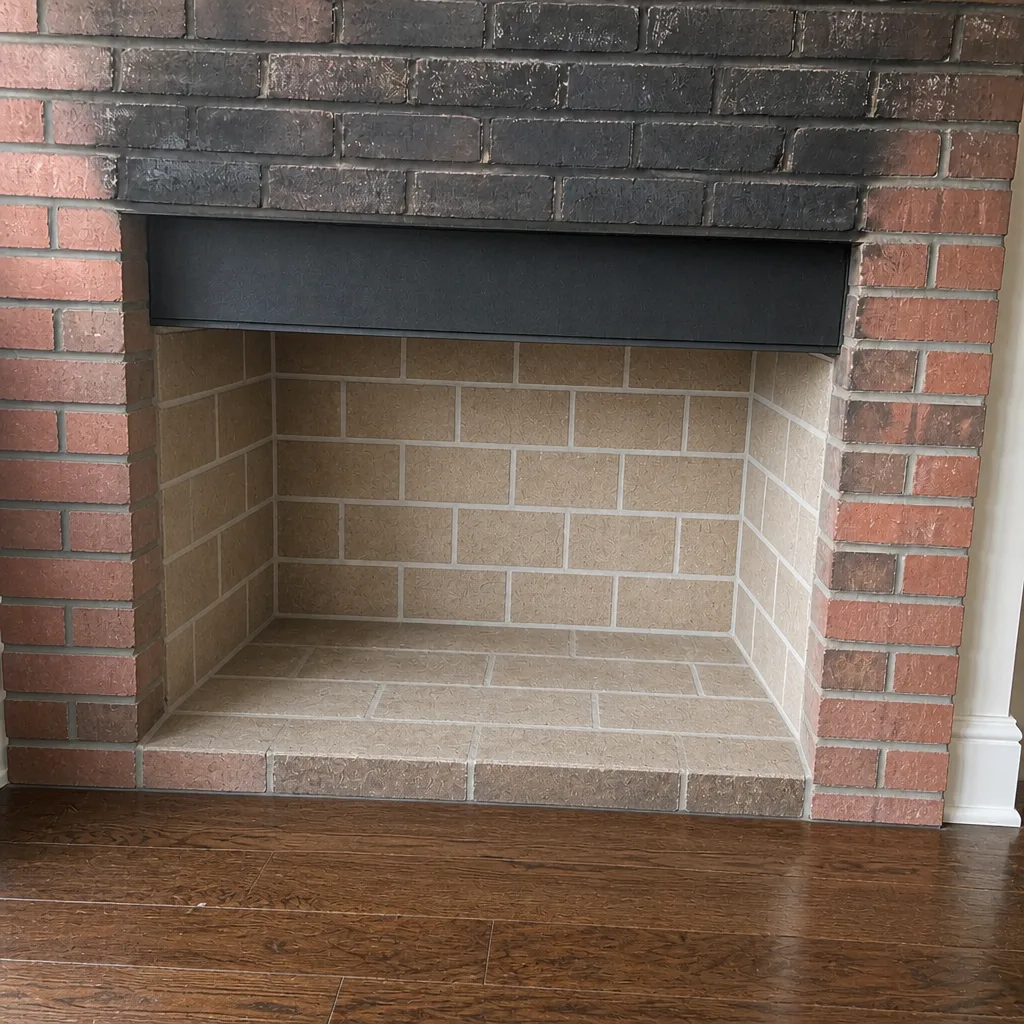
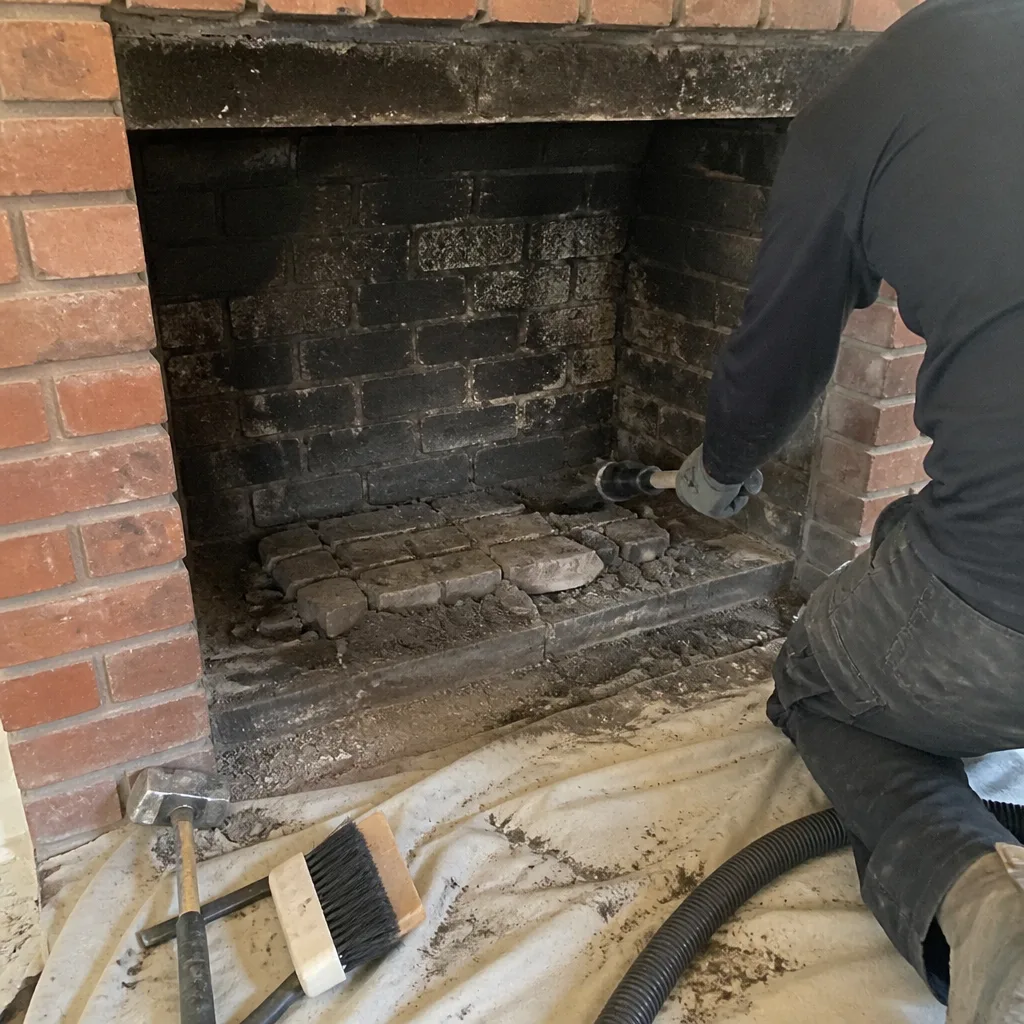
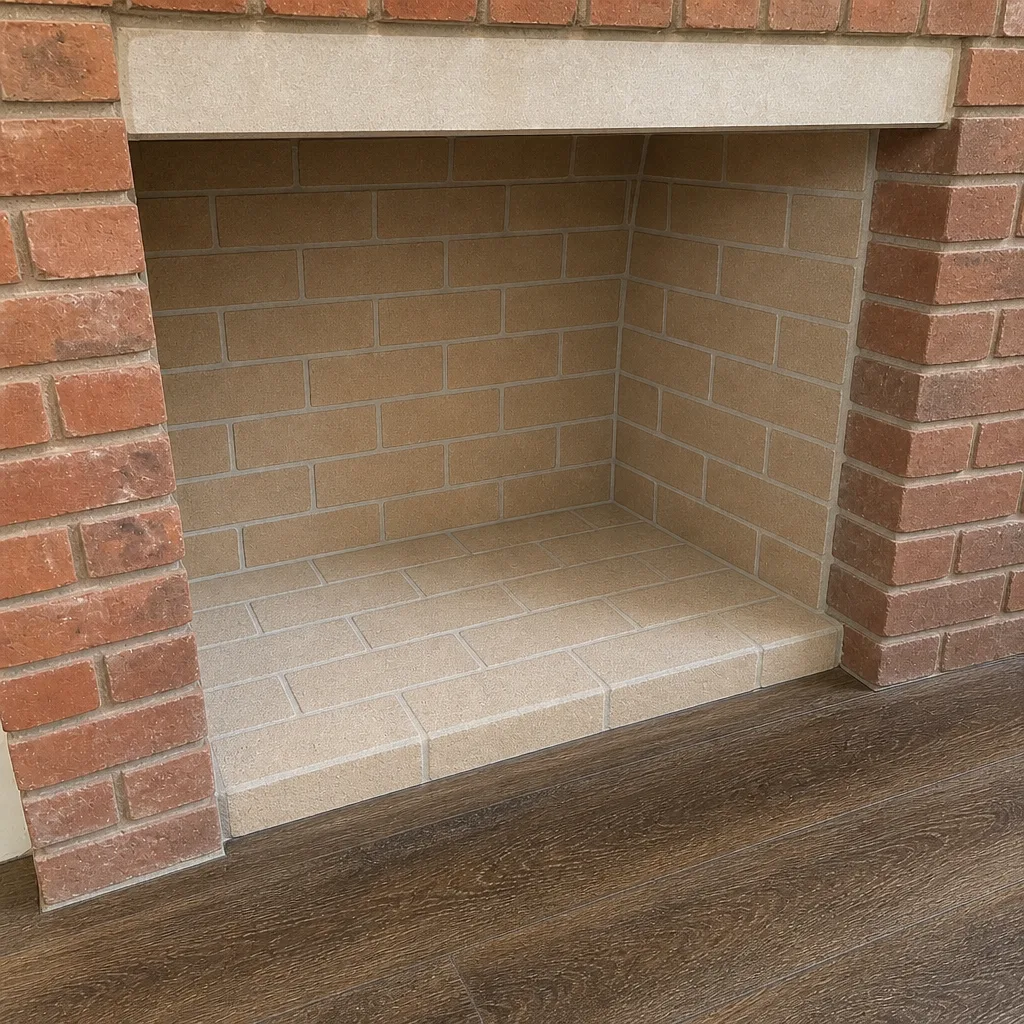
See the difference
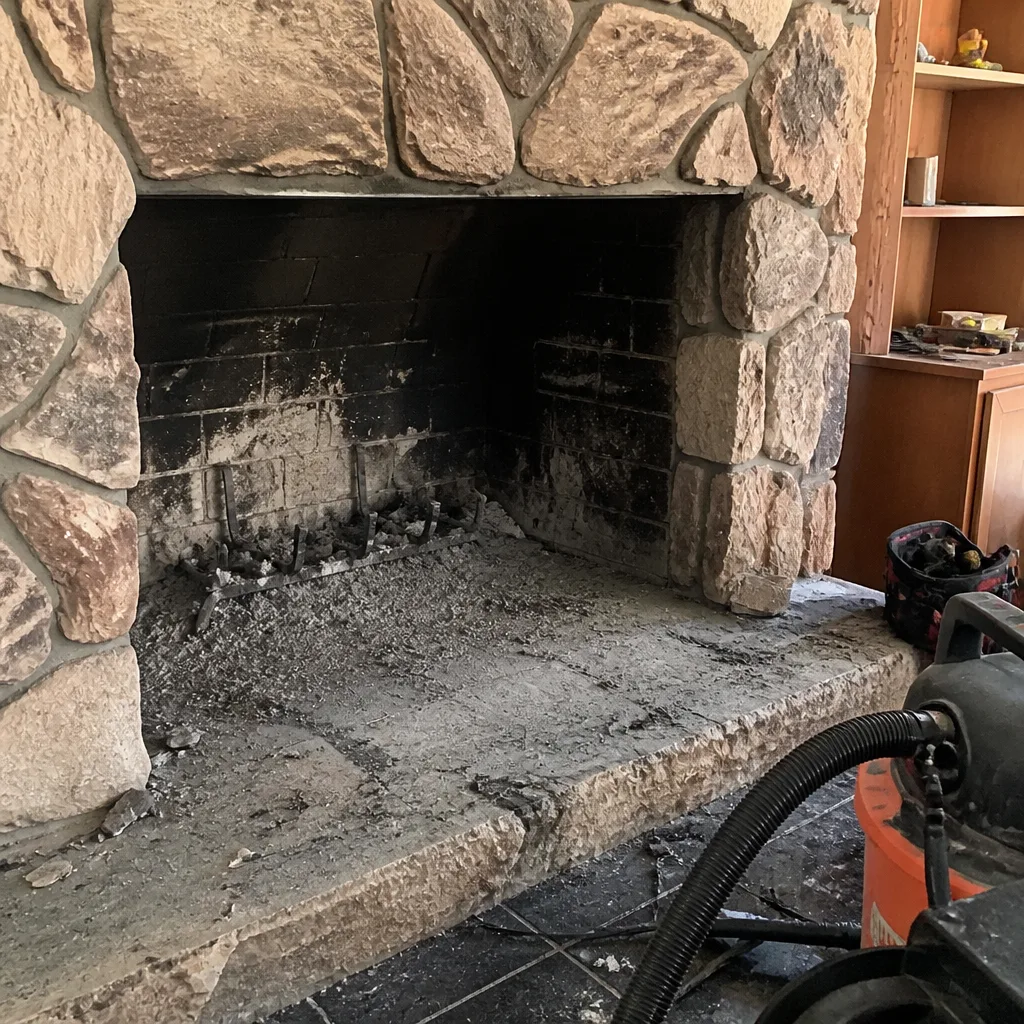 Before
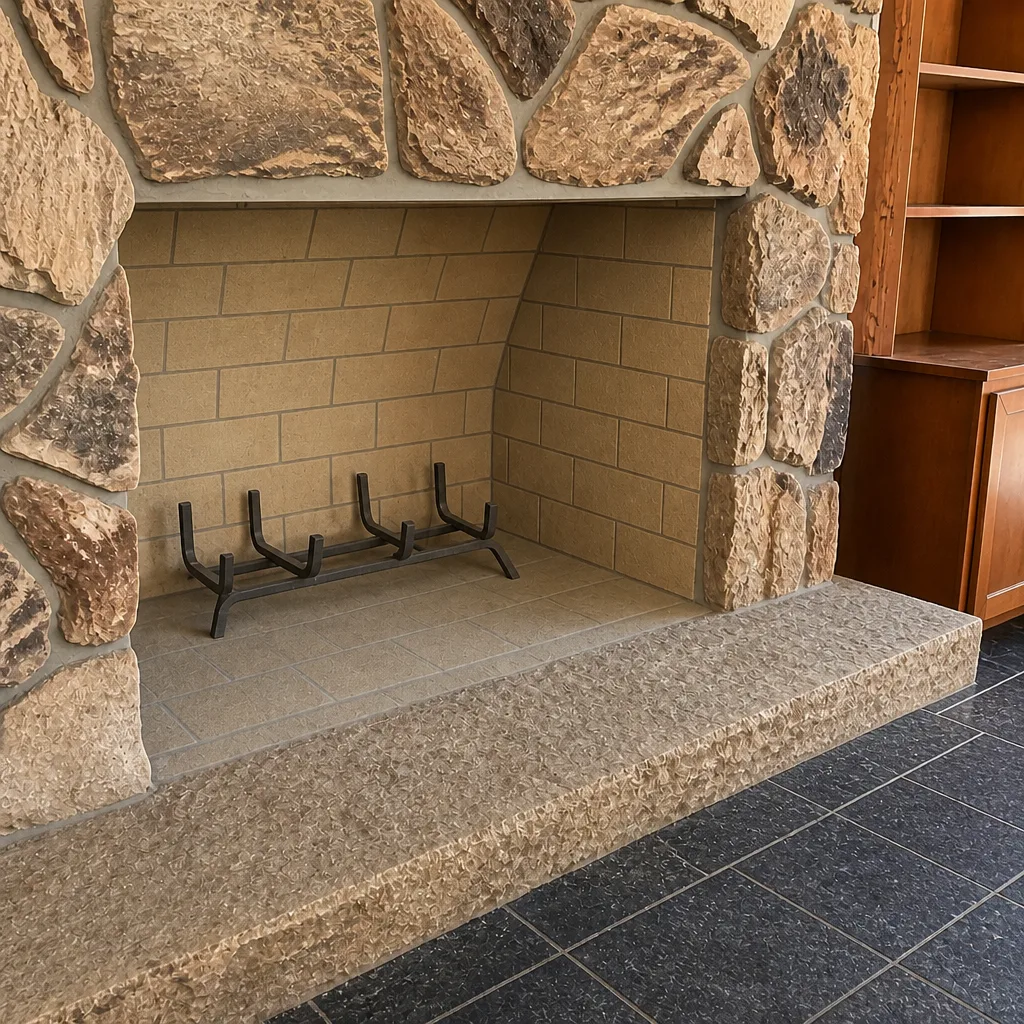 After
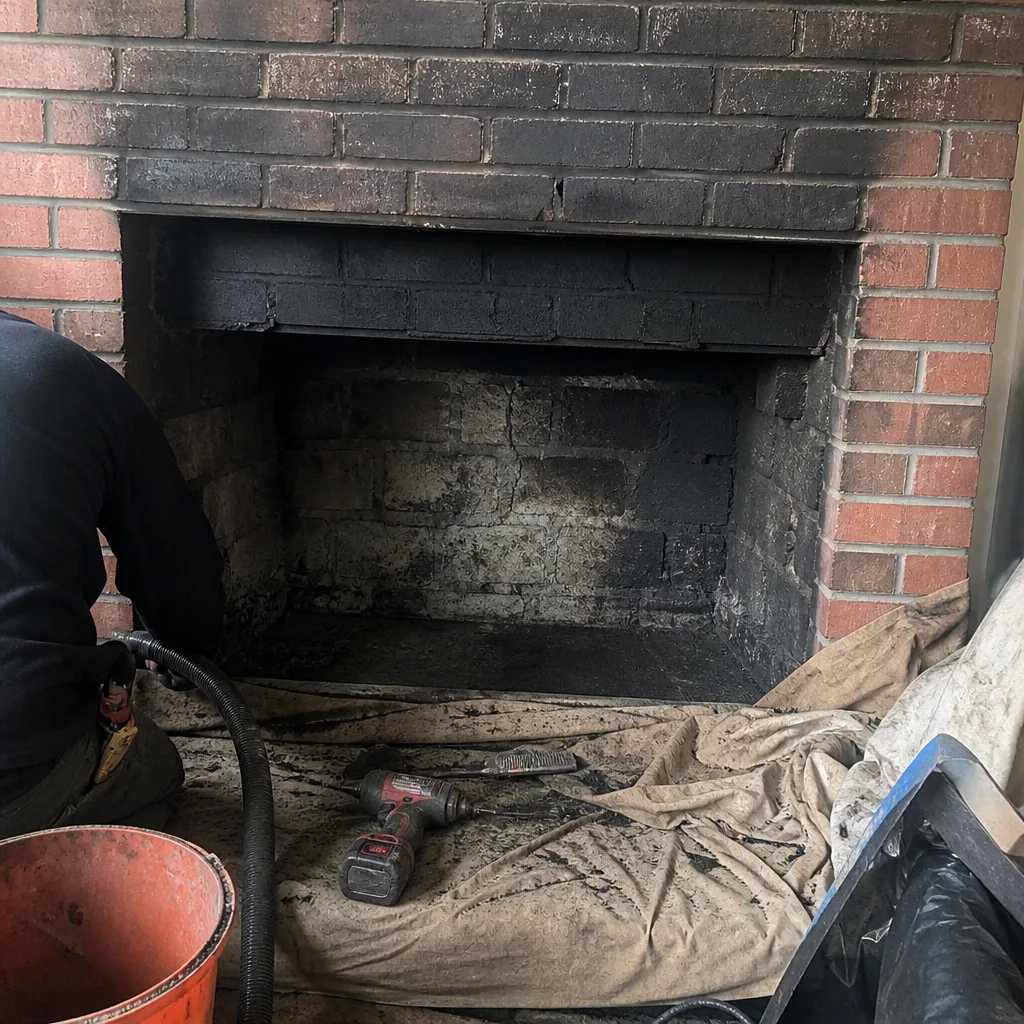 Before
 After
 Before
 After