
Last updated November 16, 2026
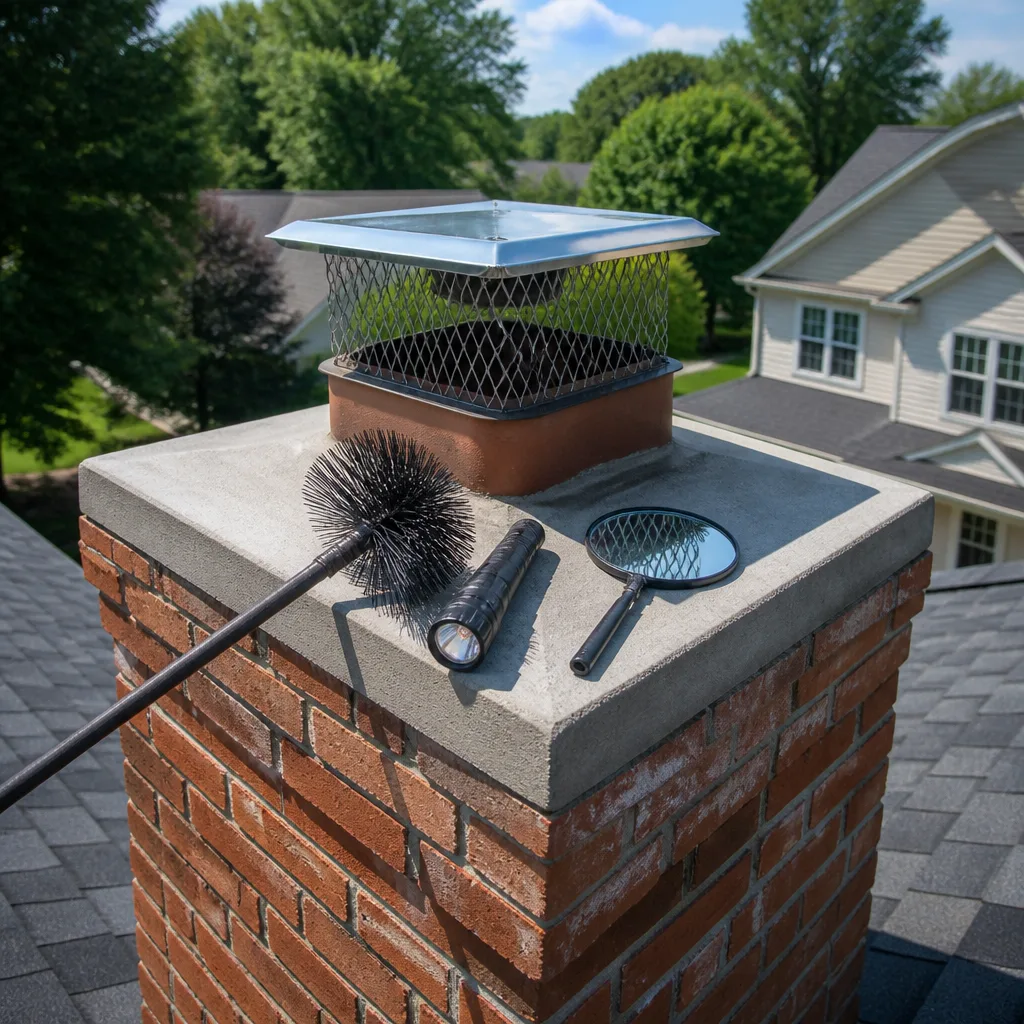 Sweep & inspection
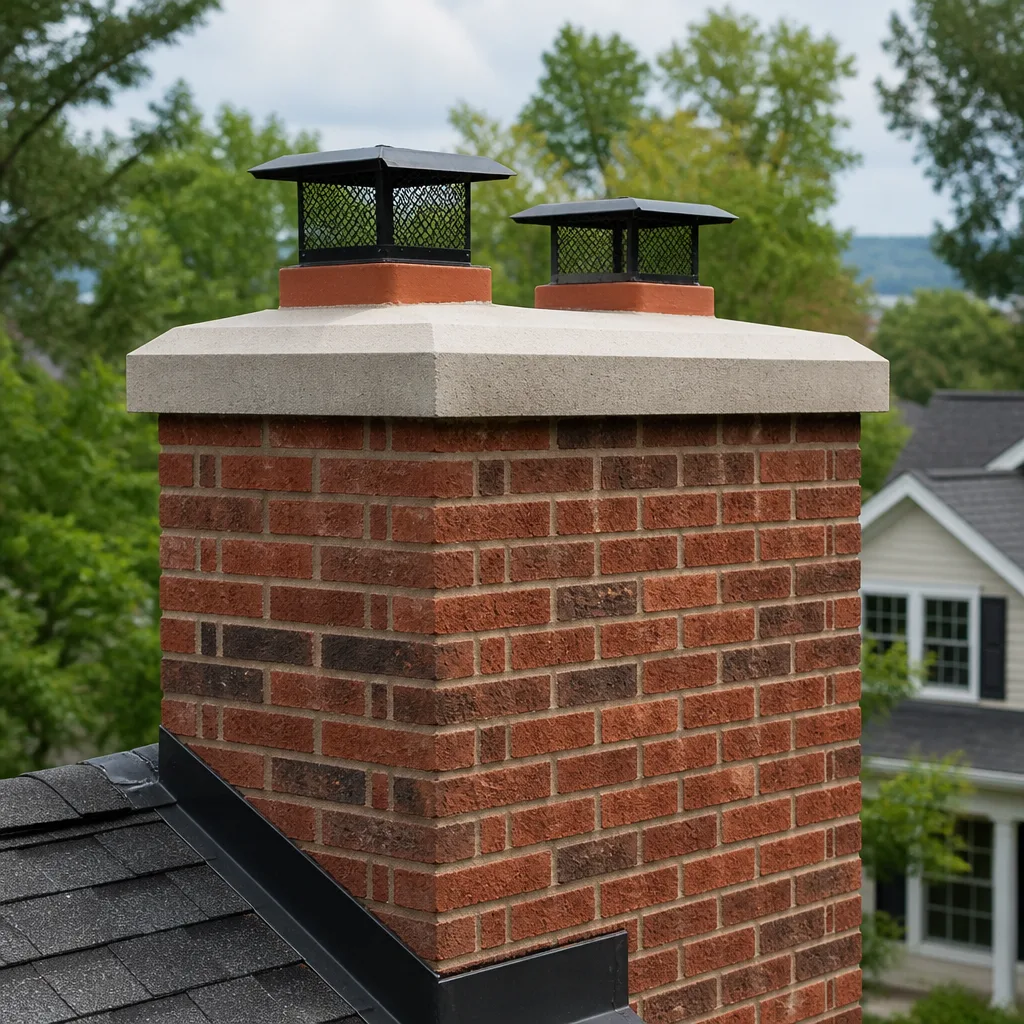 Caps & crowns
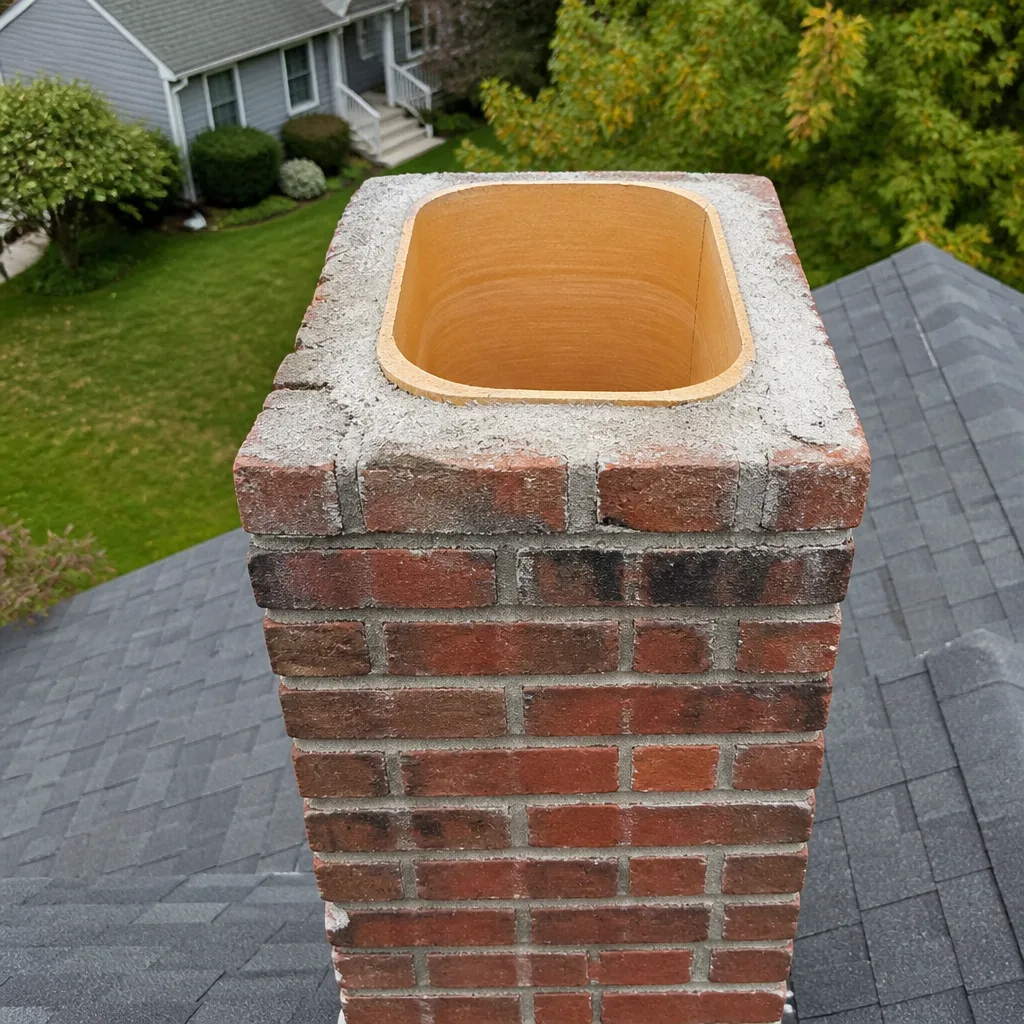 Flue relining
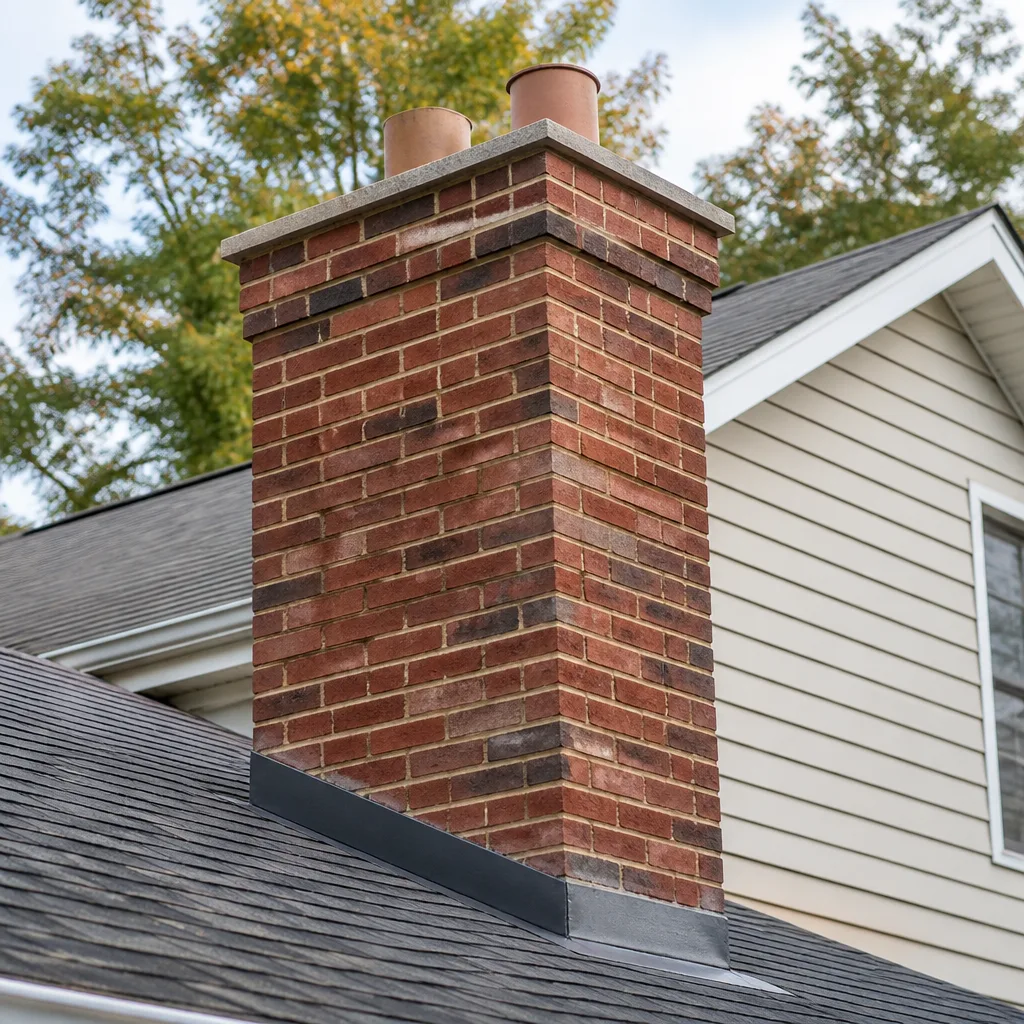 Masonry repair
 Gas fireplace service
Level 1 sweep and inspection to the NFPA 211 annual standard - flue, crown, cap, and flashing checked and photographed
Chimney sweep logs do not sweep chimneys. They loosen some creosote - which then falls where a brush and vacuum still have to collect it.
Chimney Cleaning Cost Breakdown: The Antioch Homeowner’s Reference for 2026
The $99 chimney cleaning often costs more in the end. Not because someone upsells you on the spot, but because the price excludes the camera inspection that would have caught a cracked flue tile while it was still a $200 repair instead of a relining job. That’s the part of chimney pricing nobody explains at the phone quote. In Antioch, we see both ends of the market: the bargain sweep that skips the scan and the full-service invoice that includes everything. Both can be honest. The difference is what’s inside the number. This guide breaks down every line item, what drives the price up or down, and how to read a quote so you know exactly what you’re buying.
Quick Answer
A full-service chimney cleaning in Antioch typically runs $150 to $300 for a standard wood-burning flue when it includes sweep labor, a Level 1 inspection, a camera scan, a written report, and debris disposal. A bare-bones sweep with no camera or documentation can run $75 to $130, but it tells you nothing about the condition of your flue. Repair findings, when they turn up, commonly range from a few hundred dollars for a damper or cap to a few thousand for liner work.
Styles & brands we work with
- Sweep & inspection
- Caps & crowns
- Flue relining
- Masonry repair
- Gas fireplace service
Table of Contents
- What’s Actually in the Price: Line-Item Breakdown
- What Drives the Price Up or Down in Antioch
- Level 1 vs. Level 2 Inspection: Why It Changes the Number
- Real Repair Costs Tied to Common Findings
- Why Bundling Cleaning and Inspection Saves Money
- How to Read a Chimney Quote
- Common Mistakes to Avoid
- Frequently Asked Questions
What’s Actually in the Price: Line-Item Breakdown
Every legitimate chimney cleaning quote is made of the same six or seven pieces. When a number looks suspiciously low, one of those pieces is missing. When a number looks high, one of those pieces is bigger than usual. Here’s what a full-service cleaning in Antioch actually covers:
- Sweep labor: The physical brushing and vacuuming of the flue, firebox, smoke chamber, and damper area. This is the bulk of the visit for a standard wood-burning fireplace.
- Level 1 inspection: A visual check of accessible portions of the flue, firebox, damper, cap, and crown. This is the minimum inspection standard for a chimney in normal service.
- Camera scan: A video camera run down the flue to see what the eye can’t from below – cracks in tiles, gaps in mortar joints, warped liner sections. This is where the real value sits.
- Written report: A documented record of what was found, what it looks like, and what (if anything) needs attention. Photos from the camera scan should be part of this.
- Travel: Getting to and from the property. This varies with distance from the technician’s base, not with the size of the job.
- Disposal: Removal and legal disposal of the creosote, soot, and debris pulled from the flue.
- Setup and protection: Drop cloths, plastic sheeting, and a high-capacity vacuum rigged to keep dust inside the work area.
A chimney sweep in Antioch is not a stand-alone service at its best – it’s the entry point into the whole system. The flue, liner, cap, crown, and damper are one assembly. When we pull a camera through your flue, we’re checking every part of that assembly, not just clearing soot. That’s why we treat the sweep and the inspection as one visit rather than two separate bookings. Splitting them means paying travel twice and losing the ability to fix what’s found in the same call.
The brands behind the work matter here too. We work with the same professional-grade product lines professional chimney contractors specify – DuraFlex for flexible liner systems, HeatShield for liner resurfacing – not whatever ships cheapest. When a repair is quoted, the quote names the material going into your chimney. If a quote doesn’t, that’s your first red flag.
What Drives the Price Up or Down in Antioch
Two homes on the same street can get quotes $150 apart for what sounds like the same chimney cleaning. That’s not price gouging – it’s a difference in what the technician is walking into. In Antioch, four factors move the number the most:
Flue height and configuration
A single-story ranch with a straight vertical flue is fast work. A two-story home with an offset flue, a smoke chamber with a steep slope, or a chimney with a tile-lined flue that requires careful brush work all take longer. Labor time is the biggest driver in the sweep portion of your invoice. A taller chimney also means more length of brush rods to feed and more time on the roof for the top-side portion of the inspection.
Creosote stage
Creosote builds up in three recognizable stages, and each one is harder to remove than the last. Stage 1 is light soot and flaky residue – a normal brush handles it. Stage 2 is a flaky, hardened deposit that takes more passes and, sometimes, a chemical treatment. Stage 3 is glazed, tar-like creosote that bonds to the flue wall. Stage 3 is expensive to remove because it takes specialized tools and can only be creosote-swept, not scrubbed with a standard brush. It’s also the stage most closely tied to chimney fire risk, which is why a technician who finds it will tell you plainly rather than sweep it and move on.
Accessibility
Is the chimney cap in good shape? Can the roof be safely accessed from the ground, or does it need a larger ladder run? Is there a decorative enclosure or a metal liner that changes how the flue can be brushed? Accessibility is protective as much as it is labor – a chimney that can’t be properly accessed can’t be properly inspected, and that changes the scope.
Materials specified
If a repair is on the table, the material spec is the second half of the price. A commodity cap that fits loosely on the flue is cheaper than a properly sized cap from a professional line like Gelco or Famco. A generic patch can be cheaper than a HeatShield resurfacing. The gap in price between commodity and professional-grade is real, and so is the gap in how long the repair lasts. We name the products we use because you should know what’s going into your chimney.
For a deeper look at how these factors play out in this local market, see our Antioch service area page.
Level 1 vs. Level 2 Inspection: Why It Changes the Number
The single biggest swing in a chimney cleaning quote is which level of inspection is included. This is not a marketing upsell – the levels are industry standards, and which one applies depends on what’s happened to the system since it was last checked.
Level 1 inspection
A Level 1 inspection is a visual check of all accessible parts of the chimney and connector. It happens during a routine annual cleaning, when the chimney is in normal service and there have been no changes to the system. It covers the firebox, damper, flue interior as far as can be seen from the firebox and the roof, the cap, and the crown. It usually stays well within the standard cleaning price.
Level 2 inspection
A Level 2 inspection is required whenever the system has changed: a new appliance, a change of fuel type, a chimney that has survived a chimney fire, a property sale, or a known performance problem. It includes everything a Level 1 does, plus a camera scan of the flue and inspection of accessible attic, crawl space, and chimney exterior. A Level 2 is where the price steps up – but it’s also where most meaningful findings come from. A camera scan is the difference between “the chimney looks fine from here” and “the third tile joint down from the top has a hairline crack.”
Which one do you need?
- Wood-burning fireplace in normal annual service, no changes since last check → Level 1 is typically adequate.
- You’ve had a chimney fire, even a small one → Level 2.
- You’ve switched appliances or fuels, or added an insert → Level 2.
- You’re buying or selling the home → Level 2, as part of the real estate transaction.
- The fireplace drafts poorly or smokes → Level 2 to identify the cause before deciding on repairs.
If you’re overdue for either level, our chimney sweep service includes the appropriate inspection as part of the booked visit. We don’t bill you twice for sweep and inspection – they’re one appointment, one report.
Real Repair Costs Tied to Common Findings
This is the part of the guide most homeowners dread, and for good reason: repairs are where a $200 visit can become a four-figure one. The trick is to understand which findings are genuinely urgent, which can wait, and what the repair actually costs. Here are the most common findings in Antioch and their typical cost ranges:
- Chimney cap replacement: $150 to $450, depending on the size and material. A missing or damaged cap lets rain, animals, and debris into the flue. Caps from Gelco and Famco are sized to the flue, not fitted loosely.
- Damper replacement: $300 to $800, depending on whether it’s a top-sealing damper or a traditional throat damper. A stuck-open damper wastes heat; a stuck-closed damper can push carbon monoxide into the room.
- Crown rebuild: $500 to $1,500. The crown is the concrete cap at the top of the chimney that sheds water away from the flue. A cracked crown is the most common exterior finding we see, and repairing it before it degrades further helps avoid interior damage.
- HeatShield resurfacing: $1,200 to $2,500 for a typical residential flue. This restores a deteriorating liner without a full reline. It’s a repair-tier skill most sweep-only companies can’t offer, and it can extend the working life of the liner significantly when the damage is caught early.
- DuraFlex liner installation: $2,500 to $4,500 for a typical home. When the liner is too damaged for resurfacing, or the existing flue is undersized for the appliance, a flexible liner replacement is the answer. DuraFlex is the professional-grade system we spec for this work.
Those ranges depend on flue length, roof pitch, access, and final material selection. The written estimate sets the final price on any of them – no surprise line items after the work starts.
We want to be direct about the hesitation we hear most: “Am I being told I need thousands of dollars of liner work I have no way to verify?” It’s a fair question, and it’s why the camera scan and photo report exist. Nothing is recommended without evidence you can look at yourself. And when a finding can safely wait, we say so – a hairline crack in a flue tile that isn’t growing is a monitor-it situation, not an emergency reline.
The other half of the repair conversation is capability. A sweep without inspection is guesswork; an inspection without repair capability is just a referral. Our chimney repair work closes that gap, so findings from the inspection are remediated by the same team rather than handed off to a third party who has never seen your flue.
Why Bundling Cleaning and Inspection Saves Money
The cheapest way to buy chimney service is almost never the cheapest price for the sweep. It’s the lowest total cost across the whole relationship: what you pay for the initial visit plus what you pay for repairs that a skipped inspection forced you into later.
Here’s how splitting the work gets expensive:
- Two visits, two travel charges. If the sweep and the inspection are booked separately, both visits carry their own travel and setup cost.
- Two reports, two opportunities for a gap. A sweep-only visit that finds a problem and then refers you out means the repair contractor starts from scratch. You’ve paid for a diagnosis and then paid again for a second one.
- No accountability across the handoff. When the sweep finds the problem and a different company does the repair, no one owns the full picture. If the repair fails, the sweep blames the repair crew, and the repair crew blames the sweep.
- Lost early-detection opportunity. A camera scan during the cleaning visit catches liner deterioration when HeatShield resurfacing is still an option. Catch it in a later visit, and you may be looking at a full DuraFlex reline instead.
When you evaluate a bundled quote, look for these three things: the cleaning and inspection are in one line (not itemized separately as if they might be dropped), the report is described as written and delivered to the homeowner, and the quote names the materials specified for any repair. If the quote is a flat number with none of these details, ask what’s inside it.
Chimney Sweep Antioch offers bundled cleaning and inspection as the default service, not as an add-on. A chimney cleaning without a camera scan is half a service, and we price it accordingly.
How to Read a Chimney Quote
Reading a chimney quote is not complicated, but it does require knowing which lines matter. Here’s a step-by-step way to look at any quote you receive, ours or anyone else’s:
- Identify the sweep labor line. This should be a distinct line with a description of what’s being brushed and vacuumed. If the whole quote is a single number with no breakdown, that’s a yellow flag.
- Identify the inspection level. The quote should say “Level 1” or “Level 2” explicitly. If it just says “inspection included” without a level, ask which one, in writing.
- Confirm the camera scan is included. No camera = no actual inspection of the flue interior beyond what can be seen from the firebox. This is the most common omission in bargain pricing.
- Confirm the written report and photos. No report = no accountability. A written report with camera photos is your record for future years and your evidence when a repair is recommended.
- Look for the material spec on any repair. No material spec = no quality control. A line that reads “liner repair – $X” without naming HeatShield, DuraFlex, or another specified product is a quote you can’t compare against another.
- Check for the final-price language. A professional quote says the written estimate sets the final price. If it says “starting at” with no ceiling, ask what actually changes the number.
- Check the disposal and setup language. Drop cloths, plastic sheeting, and a vacuum rig should be described. A quote that doesn’t mention them either skips them or forgot to list them.
Two quotes that both total $250 can be very different quotes. One includes a Level 1, a camera scan, a written report, and disposal. The other is sweep labor and disposal only. The one with the full scope is not “expensive” – it’s the one you can actually use. The staff at Chimney Sweep Antioch will walk you through what’s inside any quote we send, line by line, before you book.
What Affects Chimney Fire Risk in Antioch
Chimney fire risk is not a scare tactic – it’s the reason creosote removal is a safety service rather than a cosmetic one. Creosote is a natural byproduct of burning wood, and it accumulates in every wood-burning system. The rate of buildup depends on what you burn, how you burn it, and how often the flue gets cleaned.
- Wood type matters. Seasoned hardwood produces less creosote per cord than green or soft wood. If your wood is not fully seasoned, buildup runs faster.
- Burn temperature matters. A slow, smoldering fire produces more creosote than a hot, clean burn. Damping the fire down overnight is a common cause of accelerated buildup.
- Time between cleanings matters. The longer creosote sits, the more it hardens, and stage 3 glazed creosote is significantly harder and more expensive to remove than stage 1.
The safety case for regular cleaning is straightforward: creosote is the fuel for a chimney fire, and a chimney fire is the cause of most serious chimney damage. Carbon monoxide is the other risk – a blocked or damaged flue can push exhaust gases back into the living space, which is why any appliance change or any performance problem (drafting, smoking, odor) warrants a Level 2 inspection before the next burn season. If you are not sure whether your flue is safe, a camera scan answers the question.
This is also where the third-party comparison matters. Two-stage creosote is removable with standard tools. Three-stage creosote needs chemical treatment and careful removal. A cheap sweep that has no chemical capability will either brush over it and call it clean or tell you it’s fine. Neither is safe. Ask what stage your creosote is and what it will take to remove it, and get the answer in writing.
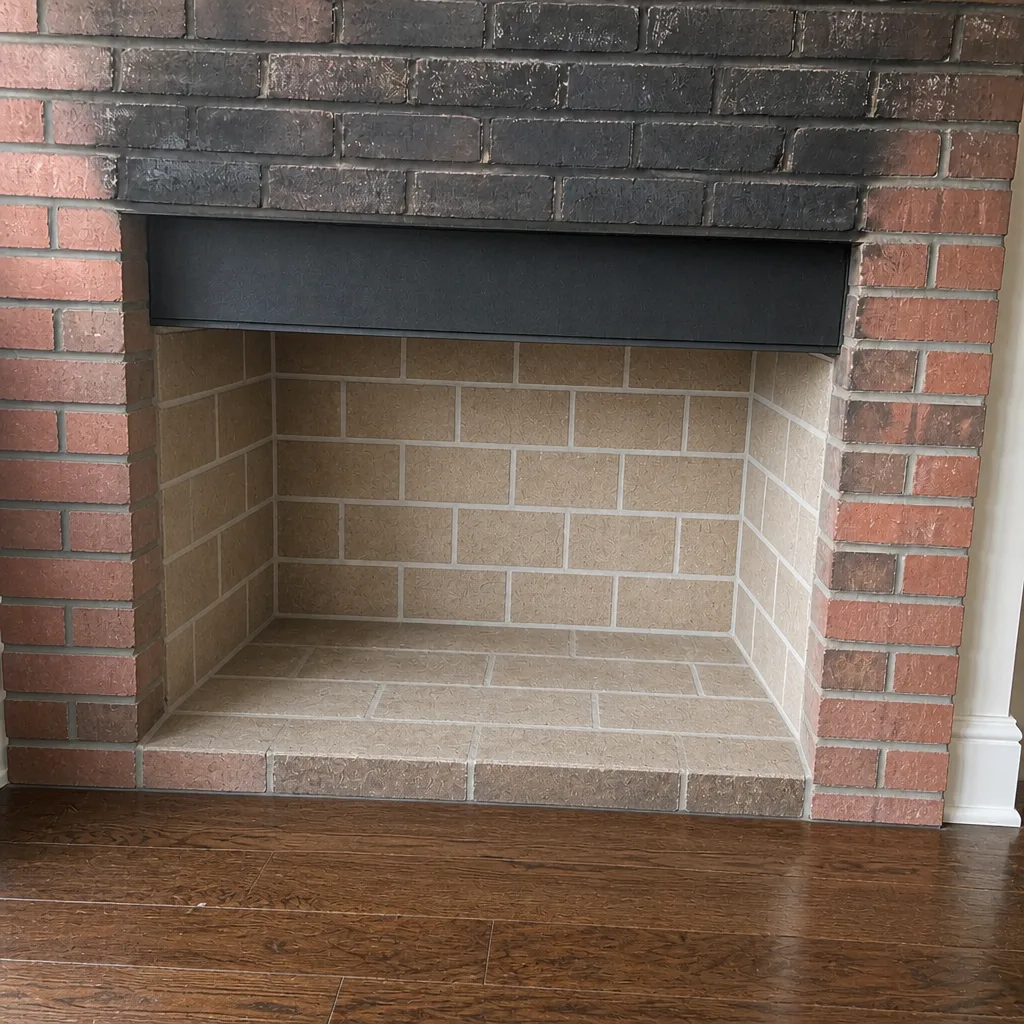
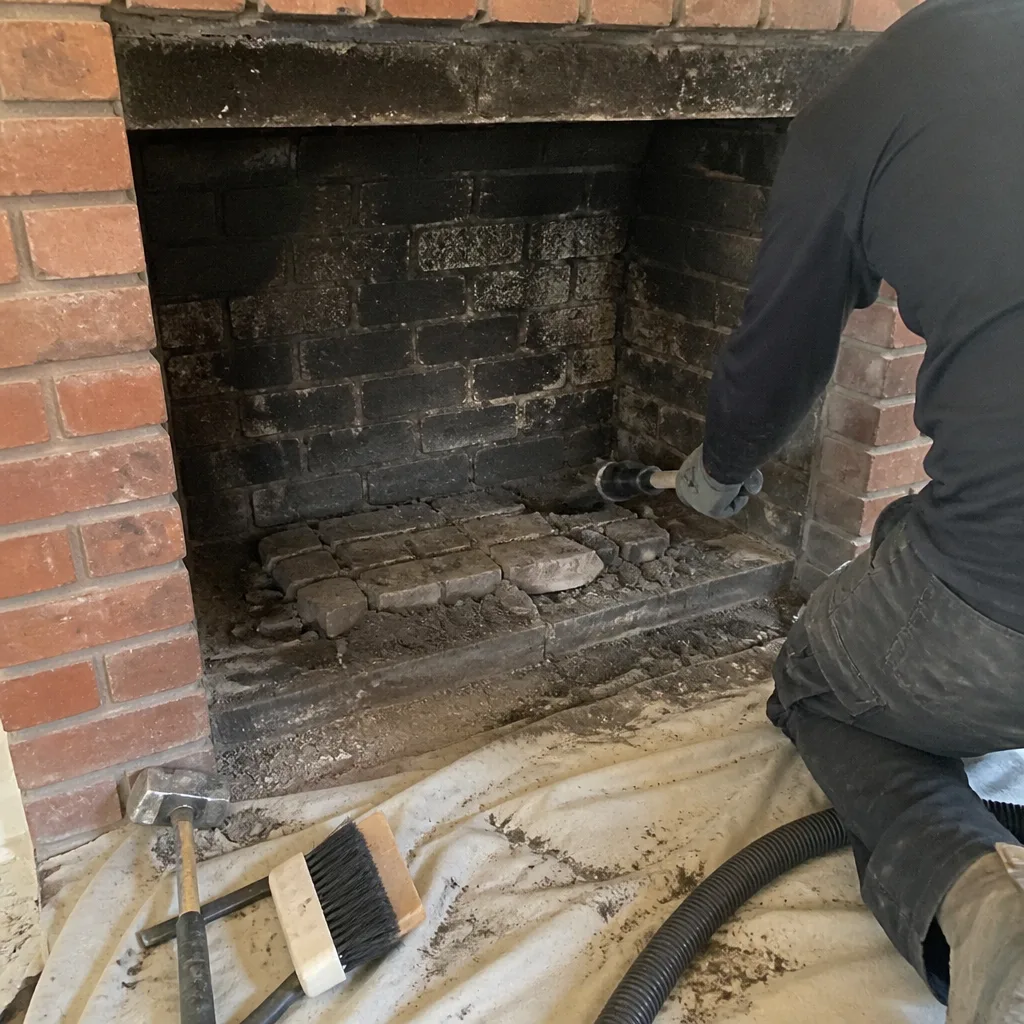
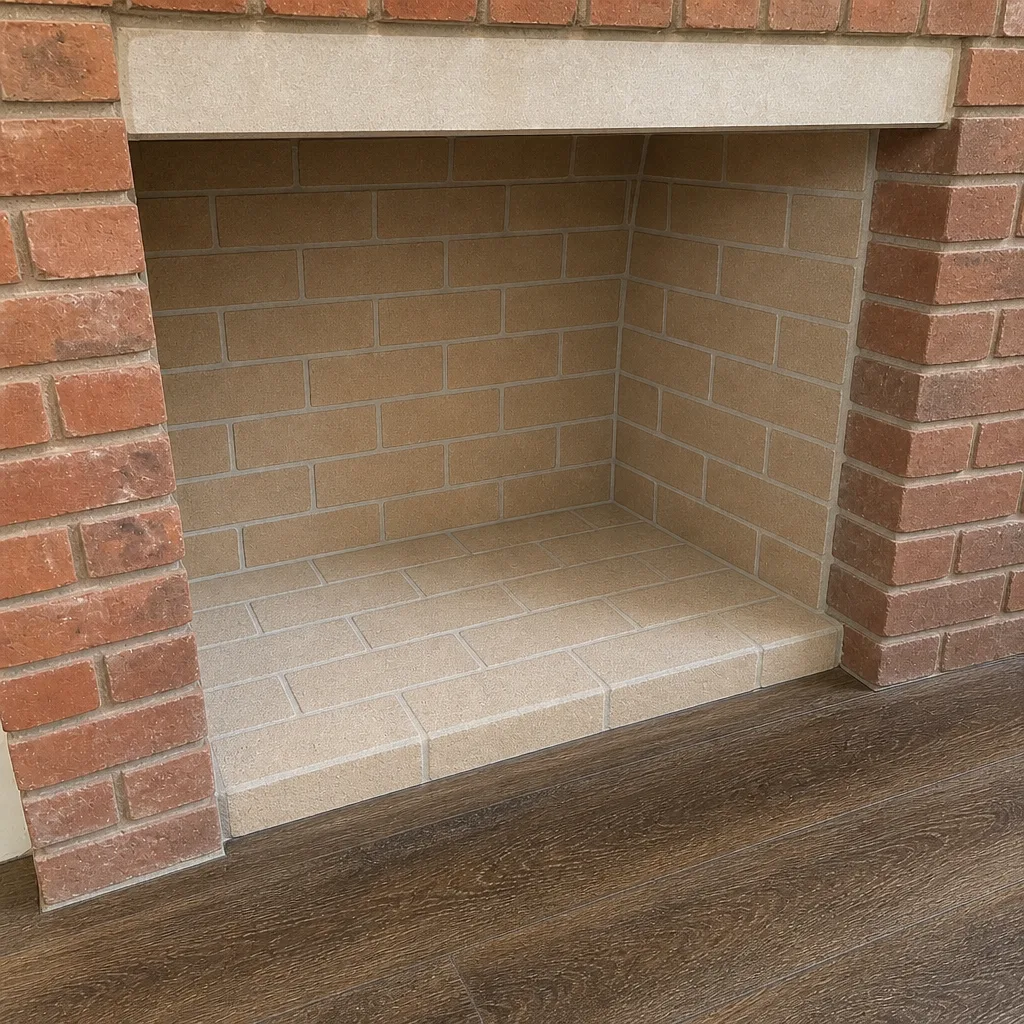
See the difference
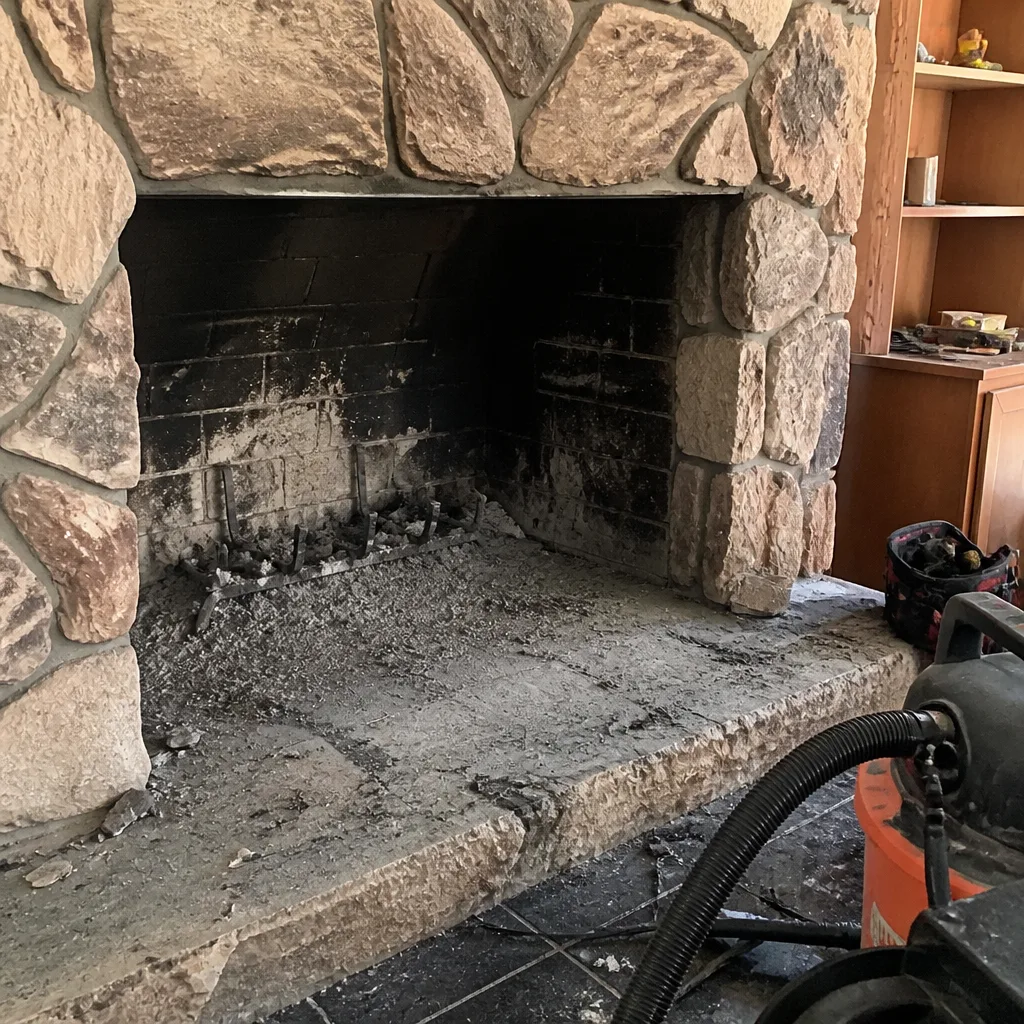 Before
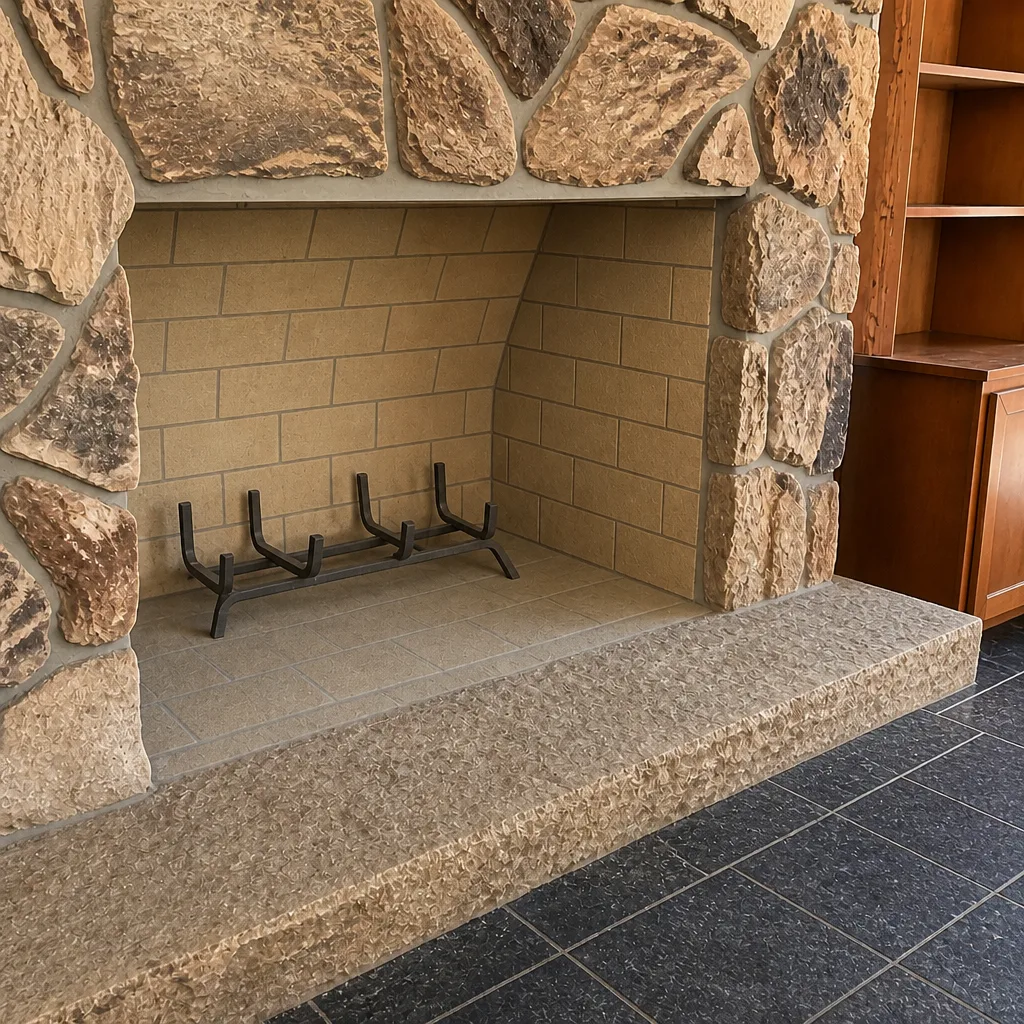 After
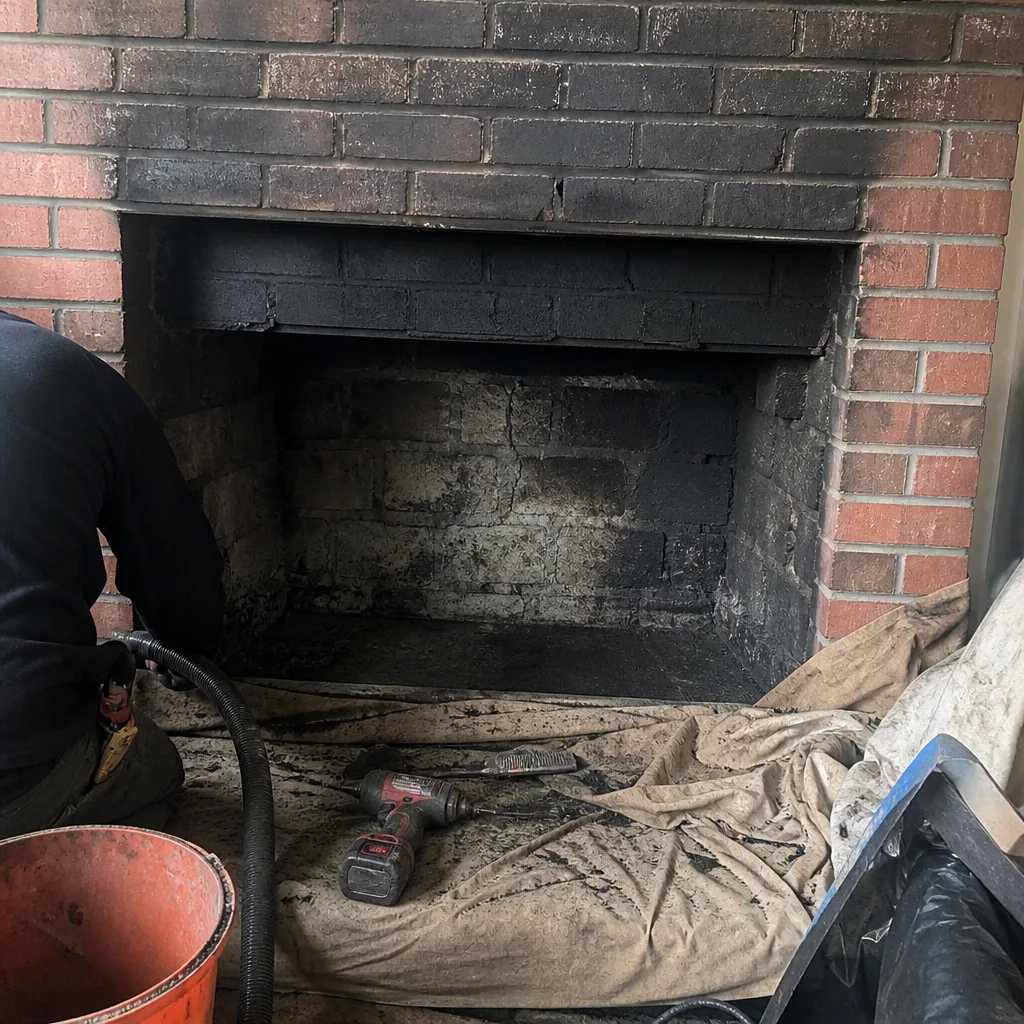 Before
 After
 Before
 After
Why Local Climate Changes the Timing
Antioch’s winters are mild relative to much of the country, which changes how homeowners use their fireplaces and, in turn, how often they need service. A mild winter does not mean the fireplace goes unused – it means the burn season is shorter but not absent, and heating appliances still run through the colder months.
The practical effect for scheduling:
- The burn season here is longer than the calendar suggests. Cool mornings and evenings in spring and fall mean the fireplace gets more use than a homeowner expects. Creosote builds during those shoulder-season burns, not just the coldest weeks.
- Pre-season cleaning matters more than post-season. Getting the flue swept and inspected before the cooler months start means you know the system is ready before you first light it. A cleaning booked after the first cold snap competes with every other homeowner in the area for scheduling.
- Rain and moisture are the main exterior threat here. Mild winters mean the crown and cap are the surfaces most exposed to weather. A cracked crown or a missing cap lets water into the flue, which degrades the liner faster than dry conditions would. The exterior inspection on a Level 1 covers this in a single pass.
Timing is a seasonal decision, not an hourly one. Book the sweep when the weather is quiet and the schedule is open, not in the week the cold arrives and everyone calls at once. If you want the flue ready for the cooler months, the best window is the shoulder season. Call (844) 352-4625 to book a slot – we answer 24/7. Fast dispatch from 7am to 7pm, Sunday through Friday.
Common Mistakes to Avoid
- Buying on price alone. A $99 sweep with no camera scan is not a discount on the same service – it’s a different, smaller service. Compare scope, not the headline number.
- Skipping the inspection when the flue looks fine. A chimney that drafts well can still have a cracked tile 8 feet up the flue. The camera is the only way to know. In Antioch, where mild winters keep fireplaces in use longer than expected, buildup often hides exactly where the eye can’t see.
- Accepting a repair quote with no material named. If the quote says “lining repair” without naming the product, you can’t compare it to anything. Ask which line and which system, and get it in writing.
- Letting a damaged cap stay missing. A missing cap is cheap to replace and expensive to ignore. Rain and animals in the flue turn a $200 fix into a liner problem within a couple of seasons.
- Booking the sweep and the repair with different companies. The handoff gap is where accountability disappears. Keep the diagnosis and the repair under one roof.
- Cleaning season timing. Booking in the first week the cold arrives puts you behind every other homeowner in the area. Book in the shoulder season when the calendar is open and the weather allows a safe roof check.
- Ignoring odes and smoke back-drafting. Odor on cool days and smoke rolling into the room are both signs the flue is not drawing properly. Either one is a reason to book a Level 2 inspection, not to air out the room and carry on.
When to Call a Professional
Some chimney work is a clear “call a professional” situation. If you’ve had a chimney fire, even a small one, book a Level 2 inspection before you burn again. If the fireplace back-drafts, smokes into the room, or smells strongly on cool mornings, that’s a flow problem – and flow problems are diagnosed with a camera, not from the firebox. If the cap is missing or damaged, have it replaced before the next rain. If a previous inspector or sweep told you repairs were needed, get a second opinion with the work in front of you: the camera scan and photo report from that visit are the evidence base. If you’ve changed appliances or added an insert, book a Level 2 before the next season.
Chimney Sweep Antioch offers free estimates in Antioch – call (844) 352-4625. Bring us any report you already have and we will walk you through what it actually says. Nothing is recommended without camera evidence you can see for yourself.
Frequently Asked Questions
A full-service chimney cleaning in Antioch typically runs $150 to $300 for a standard wood-burning flue, including sweep labor, a Level 1 inspection, a camera scan, a written report, and debris disposal. A bare-bones sweep without a camera or report can run $75 to $130 but tells you very little about the flue. Call (844) 352-4625 for an exact quote – estimates are free.
You need a new liner only if the camera scan shows the existing liner can no longer contain the fire and flue gases safely. A hairline crack does not always mean a full reline – HeatShield resurfacing can restore a deteriorating liner without full replacement, and we’ll tell you honestly which one your flue needs. Ask to see the camera footage. If the sweep can’t show you the damage, ask why. Call (844) 352-4625 to have your flue reviewed with the findings in front of you.
A chimney in normal service with a wood-burning fireplace typically gets swept once a year, before the burn season. A fireplace in heavy use, a wood stove, or a system burning unseasoned wood benefits from more frequent cleaning. The right interval for your flue depends on how much you burn and what you burn, and a camera scan tells you exactly how much buildup has accumulated since the last visit. Call (844) 352-4625 to book a sweep and get an honest interval recommendation.
Creosote accumulates in the flue and hardens over time, and at stage 3 it becomes the fuel load for a chimney fire. It also narrows the flue, which reduces draft and raises carbon monoxide risk if the flow backs up into the living space. The costs of skipping a cleaning are not hypothetical – they show up as a chimney fire, a damaged liner, or a carbon monoxide call. Call (844) 352-4625 – estimates are free and a camera scan tells you where you actually stand.
Yes. A full-service chimney sweep in Antioch includes the appropriate inspection as part of the same visit, and the camera scan is done during the sweep. Booking them separately means paying travel twice and losing the continuity between the finding and the fix. Call (844) 352-4625 and we’ll book the sweep with the inspection included.
Repair cost depends entirely on what the camera scan finds. Cap replacement runs $150 to $450, damper replacement $300 to $800, crown rebuild $500 to $1,500, HeatShield resurfacing $1,200 to $2,500, and DuraFlex liner installation $2,500 to $4,500. The written estimate sets the final price in each case. Call (844) 352-4625 for an exact quote – estimates are free.
The Bottom Line
The cheapest chimney cleaning in Antioch is not the one with the lowest number on the invoice – it’s the one that includes everything you need to know about your flue. A full-service cleaning runs $150 to $300 and includes sweep labor, a Level 1 inspection, a camera scan, a written report, and disposal. A bare-bones sweep at $75 to $130 leaves out the camera, the report, or both, and those are the two pieces that catch a cracked flue tile before it becomes a relining job. Read the quote, check the scope, confirm the material spec, and keep the diagnosis and the repair under one company.
We work with the same professional-grade brands professional contractors specify – DuraFlex, HeatShield, Gelco, and Famco – so the repair quote names exactly what’s going into your chimney. If a finding can safely wait, we’ll tell you that too. Ready to book a sweep and get an honest answer on your flue? Call (844) 352-4625 to schedule a free estimate. We answer 24/7. Fast dispatch from 7am to 7pm, Sunday through Friday. You can also explore the surrounding service area on our Antioch page.
Written by the team at Chimney Sweep Antioch.