
Last updated November 16, 2026
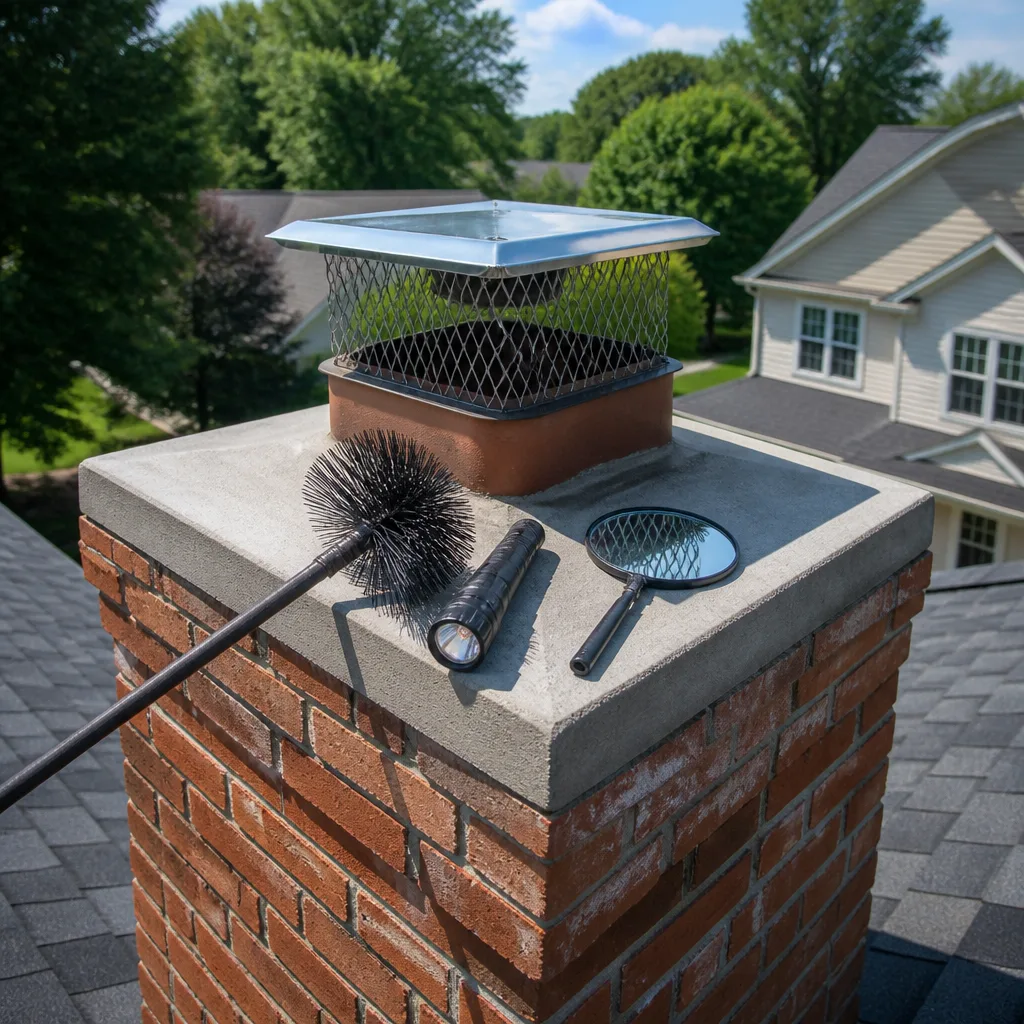 Sweep & inspection
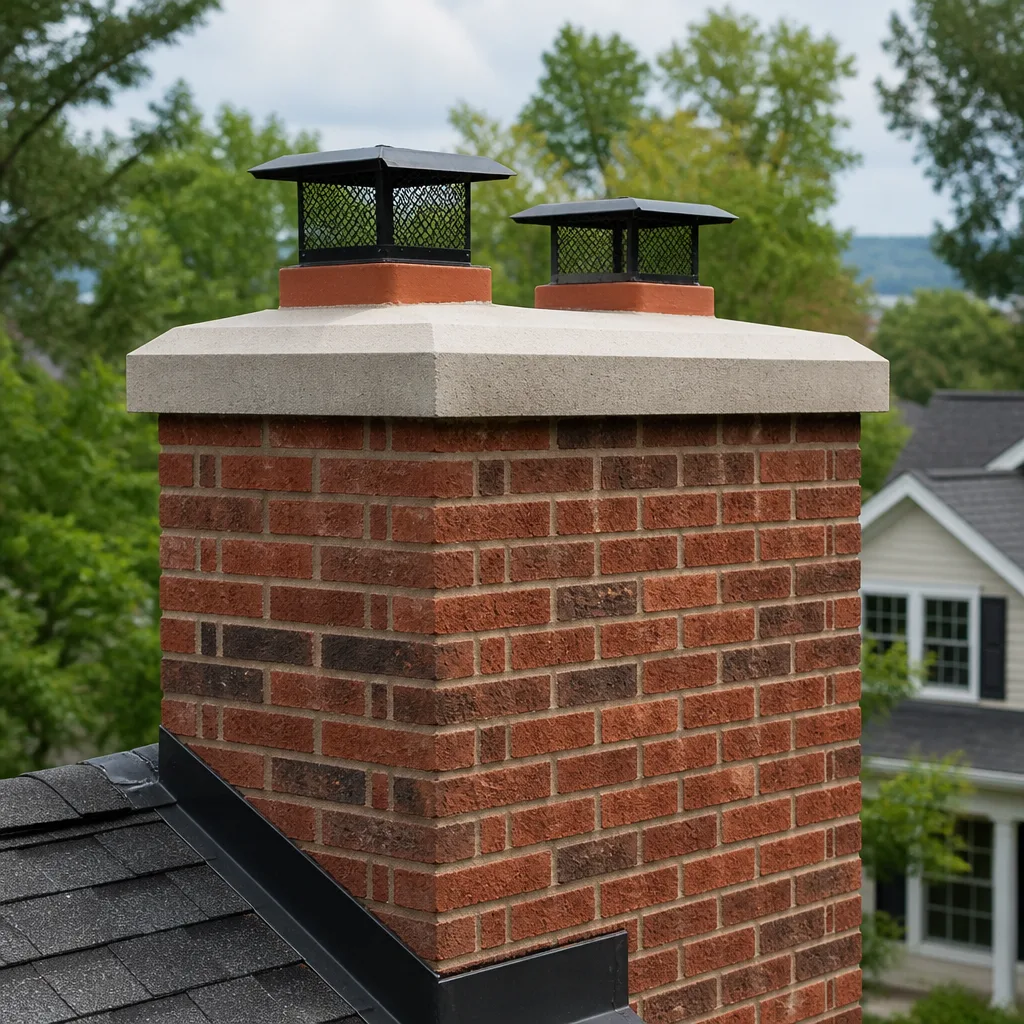 Caps & crowns
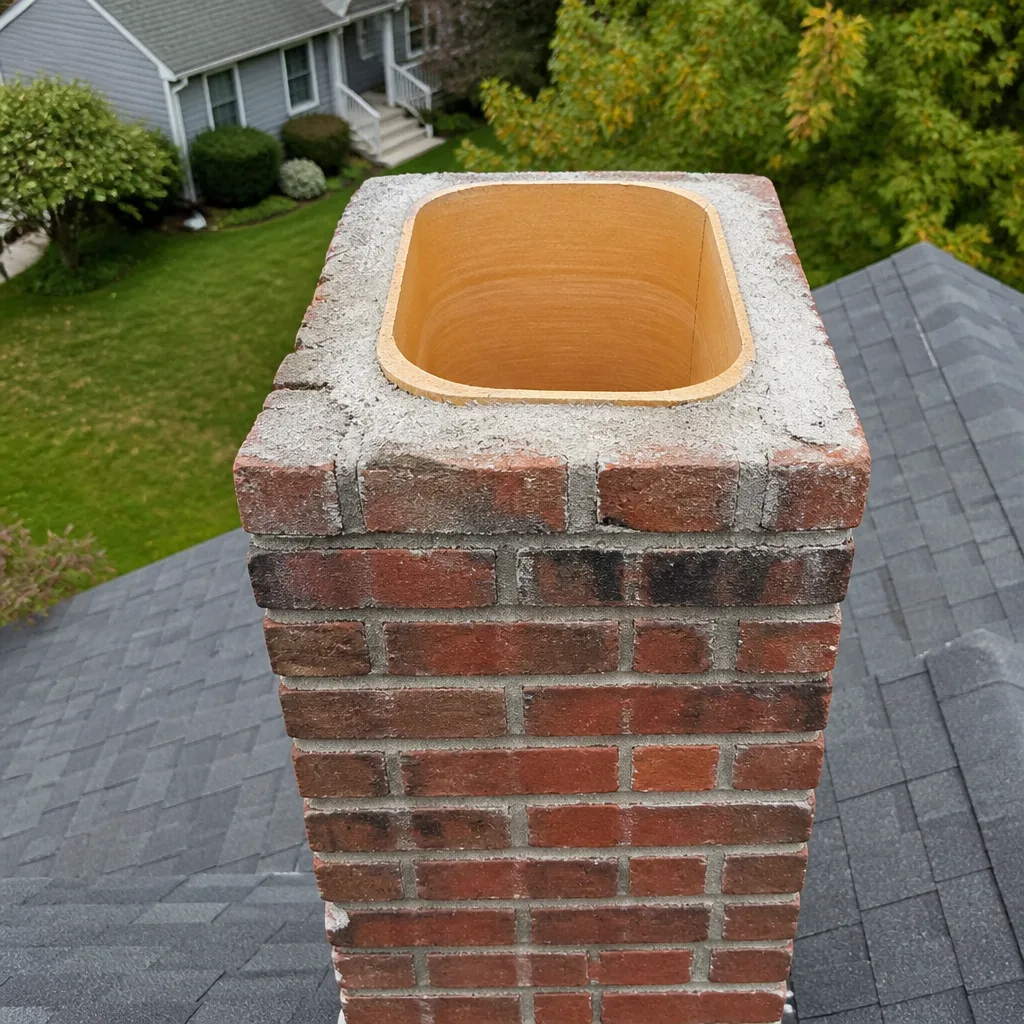 Flue relining
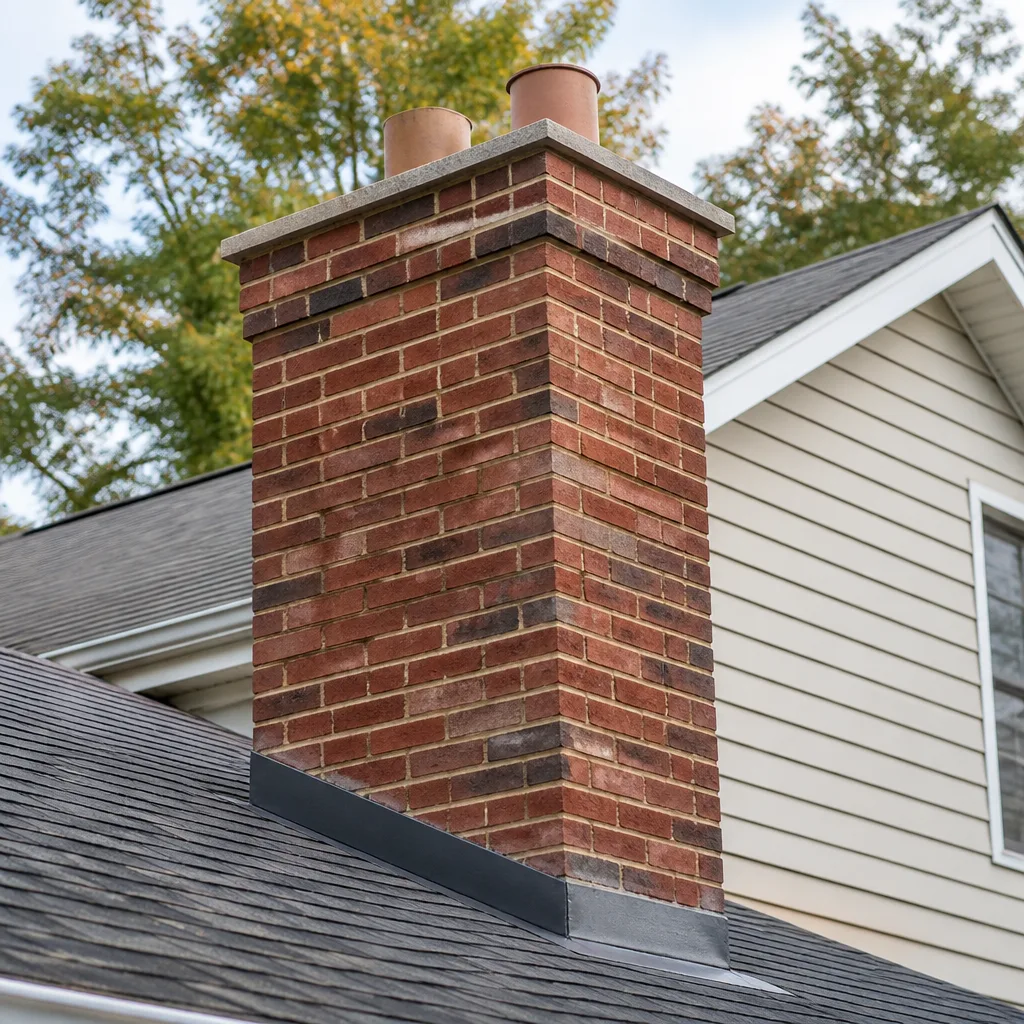 Masonry repair
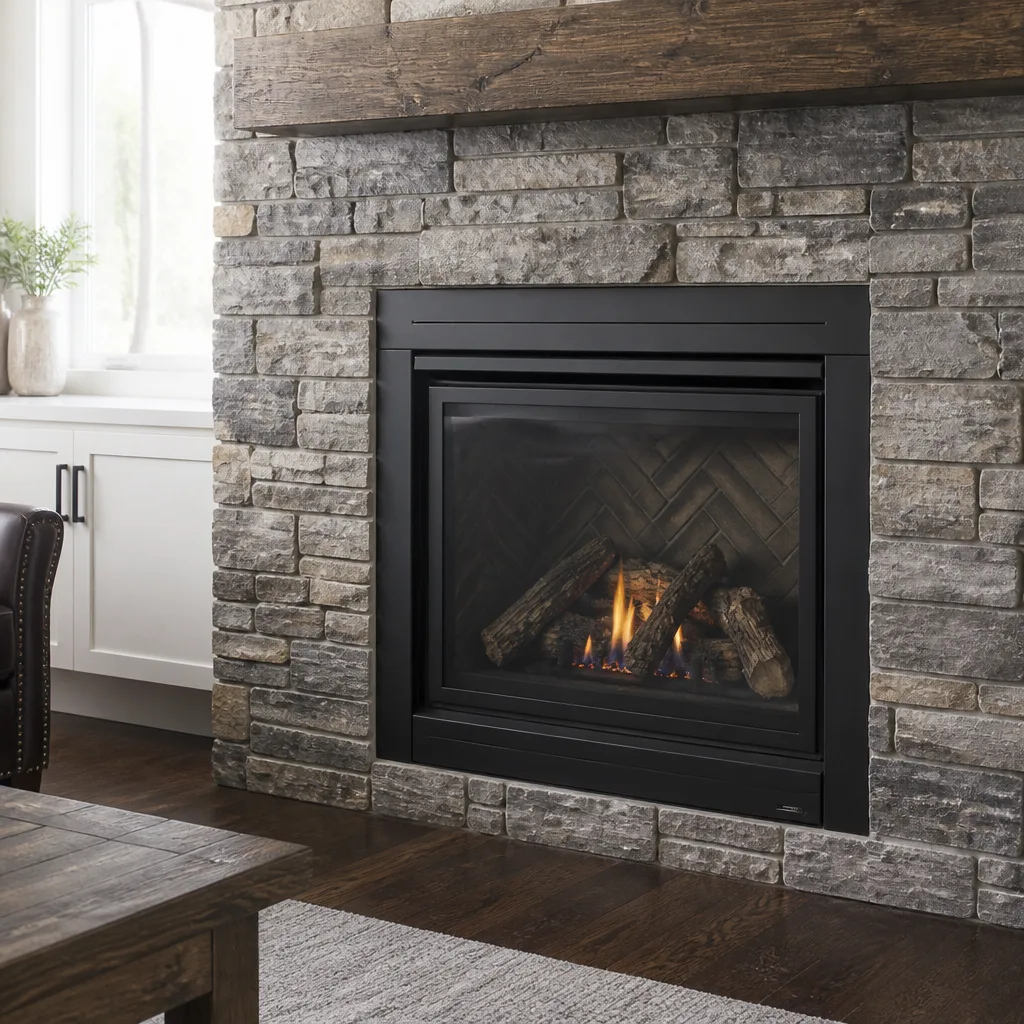 Gas fireplace service
Level 1 sweep and inspection to the NFPA 211 annual standard - flue, crown, cap, and flashing checked and photographed
Chimney sweep logs do not sweep chimneys. They loosen some creosote - which then falls where a brush and vacuum still have to collect it.
Chimney Cleaning Emergency Preparedness Guide for Antioch Homes
Most homeowners think chimney emergency prep means keeping a fire extinguisher within reach and knowing where the damper handle sits. That’s a start, but it misses the part that actually protects you. The real difference between a manageable chimney problem and a dangerous one is whether you already know the condition of your flue before the season starts. A flue with cracked tiles, a heavy creosote layer, or a cap that’s been missing for two winters is in a pre-failure state. In this guide, we’ll walk through how to recognize those states in an Antioch home, what to do in the first 10 minutes of a chimney fire, how to build a chimney file that holds up for insurance and resale, and what seismic activity means for chimneys in Contra Costa County.
Quick Answer
Chimney emergency preparedness in Antioch comes down to three things: know your flue’s current condition through an annual inspection, keep a documented chimney file with reports, photos, and product specs, and have a clear action plan for a chimney fire or carbon monoxide alarm that you’ve reviewed before you ever need it. A clean, inspected flue turns most potential emergencies into maintenance items. A flue nobody has looked at in years can turn a routine spark into something much worse.
Styles & brands we work with
- Sweep & inspection
- Caps & crowns
- Flue relining
- Masonry repair
- Gas fireplace service
Table of Contents
- Why Chimney Emergencies Start Long Before the Fire
- What to Do in the First 10 Minutes of a Chimney Fire
- How to Build a Chimney File That Insurers and Buyers Respect
- Pre-Season Verification Checklist for Antioch Homes
- Carbon Monoxide Risk Specific to Chimney Systems
- Post-Earthquake Chimney Inspection Protocol
- Creosote Stages and What They Mean for Fire Risk
- Documentation for Insurance and Resale
Why Chimney Emergencies Start Long Before the Fire
A chimney fire doesn’t announce itself with a warning. By the time a homeowner hears the low roar, sees flames or sparks at the top of the stack, or notices black smoke backing into the room, the conditions that caused it have usually been building for months or years. That’s the counterintuitive part of chimney safety: the emergency is almost always the visible event at the end of a long, quiet buildup.
In our experience servicing Antioch, the most common pre-failure states we find are these:
- Glazed creosote that has hardened into a crust on the flue walls. It ignites at a lower temperature than the soft stage and is far harder to remove once it’s set.
- Cracked or spalled flue tiles that let heat and gases pass into the surrounding chase. Hairline cracks are easy to miss and common in older masonry chimneys.
- A missing or damaged cap that has allowed rain, animals, or debris to build up on the smoke shelf.
- Improperly sized flues for the appliance connected to them, which accelerates creosote formation rather than preventing it.
- Shifting crowns that open a gap where water enters the chimney structure and degrades it from within.
The good news is that each of these conditions is visible during an inspection, and each one can usually be corrected before it becomes a fire or carbon monoxide event. That’s why the annual inspection matters as much as the annual sweep: the sweep clears the fuel load, and the inspection tells you which pre-failure states exist in your system. Two different jobs. Both required for real preparedness. If you haven’t had either done in the past year, a chimney sweep is where most Antioch homeowners start.
What to Do in the First 10 Minutes of a Chimney Fire
Chimney fires move fast. The correct actions in the first 10 minutes protect you and your household. The wrong ones make the situation worse. Here’s the sequence we recommend every Antioch homeowner memorize and talk through with the household before the first fire of the season.
- Get everyone out of the house. This is first, before anything else. Chimney fires can spread into the chase and attic faster than most people expect. If you have pets, bring them.
- Call 911 from outside. Report a chimney fire. Fire crews need to know the fire is inside the flue, not just in the firebox, because the response is different.
- Close the damper if it’s safe to reach. Only if you’re already near it and can do so without delay or risk. Closing the damper reduces the oxygen feeding the fire in the flue.
- Close the firebox doors or glass doors. Same principle, from the room side. Starving the flue of air slows the burn.
- Stay out and wait for the fire department. Don’t re-enter to check on the fire, gather belongings, or grab the extinguisher you left inside.
There are also actions that make a chimney fire worse. Opening doors and windows feeds oxygen to the fire and can turn a contained flue fire into a roaring one. Throwing water into a masonry firebox can crack firebrick and tile through thermal shock, and it does almost nothing for a fire burning up in the flue where the water can’t reach. Don’t try to fight a chimney fire yourself with a household extinguisher: by the time flames are visible at the top of the stack, the fire is inside the chimney structure, not in the room with you.
After the fire is out, get a professional inspection before you use the chimney again. Even a small chimney fire can leave heat damage inside the flue that isn’t visible from the firebox. That inspection is part of the chimney repair conversation, and it’s not optional if you plan to burn again this season.
How to Build a Chimney File That Insurers and Buyers Respect
During the Kincade and Camp fires, insurance adjusters and fire investigators consistently noted that homeowners with annual chimney inspection records had faster claim resolution. Not because the records prevented fire, but because they established baseline condition. When a claim gets filed, the adjuster wants to know what the chimney looked like before. If you can hand over a decade of inspection reports and repair invoices, you can prove your maintenance was reasonable. If you can’t produce anything, the adjuster has to assume the worst.
Building the file takes about an hour of effort once and about five minutes a year to maintain. Here’s what belongs in it:
- Annual inspection reports. Dated, signed, with the inspector’s findings. Photo pages are worth their weight in gold.
- Sweep and cleaning invoices. These establish a maintenance rhythm even if the inspection report is minimal.
- Repair invoices with product specs. If a liner was installed, note the brand (DuraFlex, for example) and the model or spec sheet. If a cap was replaced, note the brand and style. Product-grade documents protect you the way product-grade parts do.
- Photographs. Before-and-after photos of the firebox, flue, cap, and crown. Date every file name. Interior photos during inspection are especially useful because they show conditions no exterior photo can capture.
- A one-page system summary. Appliance type (wood, gas, or oil), flue size, last service date, and any known issues. A sheet any technician or adjuster can read in 30 seconds.
Keep the file both physically (a folder in a fire safe) and digitally (cloud storage). If a fire forces you out of the house, having the digital copy means you can start the claim the same night from a hotel. That’s the whole point of a chimney file: it works when you can’t be standing in your own living room.
Pre-Season Verification Checklist for Antioch Homes
Before the first fire of fall, run this checklist. It takes about 15 minutes and catches most of the obvious problems before they become expensive ones. Antioch winters are mild, which ironically makes it easier to overlook chimney condition through the summer, when nobody is thinking about the fireplace at all. The checklist is your defense against that.
- Damper test. Open and close the damper several times. It should move smoothly and seal reasonably well. A damper that sticks, won’t fully open, or won’t close indicates either rust or debris buildup, and both need attention before you burn.
- Cap screen check. From the ground with binoculars, or from a ladder if you can safely access the roof, look at the chimney cap. The spark screen and the cap plate should be intact. Missing squares, rusted-through panels, or an entirely absent cap mean rain and animals have been entering the flue. That’s not a cosmetic issue; it’s a condition that degrades the liner and accelerates creosote formation.
- Visual firebox inspection. Open the firebox and look at the firebrick, the mortar joints, and the throat above the damper. Crumbling mortar, white efflorescence, or dark staining on the outside of the firebox indicates moisture or heat exposure that needs a professional look.
- Interior stain check. Look at the drywall near the chimney (upstairs and downstairs). Stains, bubbling paint, or a musty odor near the chimney structure mean water is getting in and needs to be found.
- Exterior crack check. From the ground, look at the chimney’s exterior masonry. Cracks in the crown, spalling bricks, or gaps at the flashing where the chimney meets the roofline all mean the same thing: water intrusion.
- Carbon monoxide detector test. Press the test button on every CO detector in the home. If any are more than 5-7 years old, replace them. See the CO section below for why placement matters more than people realize.
- Wood supply check. If you plan to burn this season, your wood should be split, stacked, and seasoned. Burning green wood accelerates creosote buildup faster than anything else you can do.
Any checklist item that fails should be looked at by a professional before you burn. The good news for Antioch residents is that a full pre-season look is precisely what a Chimney Sweep Antioch visit covers. A sweep clears the flue, and the inspection that comes with it verifies the rest.
Carbon Monoxide Risk Specific to Chimney Systems
Carbon monoxide is the risk most homeowners underestimate, because it’s invisible and has no smell. The chimney is a key part of how CO leaves your home (or fails to). Two different failure modes create CO risk in a chimney system, and they call for different fixes.
The first is a partially blocked flue. Soot, creosote, a bird nest, or a dislodged tile can narrow the flue without fully closing it. When that happens, the chimney can’t pull its normal draft. Instead of exhaust rising and exiting the top of the stack, smoke and CO backdraft into the living space through the firebox, through gaps in the flue, or through the appliance’s own connectors. Backdraft conditions often show visible symptoms first: smoke coming into the room when the fire starts, a musty smell near the fireplace, or a fire that’s hard to light. If you see any of those, treat the flue as suspect and get it inspected.
The second is a combustion appliance problem, not a chimney problem. A gas water heater or gas furnace that shares the same flue as a fireplace, or vents through its own, can produce CO if the appliance is malfunctioning or improperly vented. A chimney inspection can catch venting faults, but it can’t diagnose the appliance. That’s why we recommend both: an annual chimney inspection for the venting side, and a service check on gas appliances by a qualified technician.
Detector placement matters more than most people realize. Carbon monoxide is slightly lighter than air and mixes easily with household air, so placement isn’t about being “high” or “low” the way people once thought. It’s about being near the source. Put a CO detector:
- On every level of the home, including the basement or lowest level
- Outside each sleeping area, so it can wake occupants
- In the same room as or directly adjacent to the fireplace or any fuel-burning appliance
Don’t put one directly above the fireplace or inside the firebox. Heat and smoke will damage it. Follow the manufacturer’s placement guidance on the unit itself, and test it every month during the burning season.
Post-Earthquake Chimney Inspection Protocol
Contra Costa County sits near active fault lines, and Antioch’s housing stock includes plenty of masonry chimneys that predate modern seismic bracing requirements. A moderately felt earthquake can crack flue tiles, shift a crown, or open up a gap at the roofline without any visible exterior damage. The chimney can look completely normal from the street and still be unsafe to use.
After any earthquake you feel in Antioch, run this protocol before you light another fire:
- Look at the chimney from outside. From the ground, check for cracks in the crown, shifted bricks, separated flashing, or a cap that looks tilted or dislodged. Any of those are reasons to stop and call.
- Look at the chimney from inside. Check the firebox, the chase, and the drywall near the chimney for new cracks, stains, or dust sifting out of seams. These are signs that the structure has shifted.
- Do not use the chimney until it’s been inspected. Cracked flue tiles after a seismic event are exactly the conditions that let heat and CO escape into the framing. This is not a “burn a small fire and see” situation.
- Get a professional inspection. A camera inspection shows the interior of the flue, which is where earthquake damage hides. The exterior can look perfect while the flue is compromised.
In our experience servicing Antioch, seismic cracks are often invisible from the exterior. That’s why the protocol above emphasizes an interior inspection: earthquake damage to a chimney is a “you can’t tell without a camera” problem. Olympia Chimney and DuraFlex flexible liner systems are both options we work with when a post-earthquake inspection reveals damage severe enough to require relining rather than resurfacing.
Creosote Stages and What They Mean for Fire Risk
Creosote is the material that accumulates inside a flue as a byproduct of burning wood, and it comes in three stages. Each stage represents a different level of fire risk and a different cleaning or repair approach. Knowing the stages tells you what an inspector means when they describe what they found.
- Stage 1: Soot and flaky creosote. Soft, brushable, and easily removed with a standard sweep. Most flues that get cleaned annually stay in Stage 1.
- Stage 2: Crumbly, hardened deposits. Creosote that has begun to bake onto the flue walls. Brush removal works on most of it, but some of it may need chemical treatment or a more aggressive cleaning method.
- Stage 3: Glazed, shiny, hard creosote. This is the dangerous stage. It’s essentially a hardened fuel layer on the inside of your flue, and it ignites at a lower temperature than the other stages. Stage 3 creosote is the most common fuel load in a chimney fire.
The stage of creosote in your flue depends on what and how you’ve been burning. Green, unseasoned wood, cool-burning fires, and restricted air supply all accelerate buildup. If your flue has reached Stage 3, cleaning it is more involved than a routine sweep, and it may be a clue that something about your burning habits or your chimney system needs to change. In chimneys with damaged liners that are contributing to creosote accumulation, HeatShield resurfacing is one option we work with to restore the liner without a full reline. That said, not every Stage 3 situation calls for resurfacing; sometimes the right answer is a full reline with a DuraFlex system, and sometimes it’s a change in burning habits plus a thorough sweep. The inspection tells you which.
Documentation for Insurance and Resale
The chimney file pays for itself twice: once if you ever file an insurance claim, and once when you sell the home. On the insurance side, adjusters look for evidence of reasonable maintenance. A documented annual inspection and sweep schedule is exactly that evidence. On the resale side, buyers and their inspectors treat a documented chimney as a much lower risk than an undocumented one. A chimney with recent inspection, cleaning, and repair records is a selling point. A chimney with no records is a negotiating item at best.
What to include in the file for each service event:
- Date of service and company that performed it
- Scope of work (sweep, inspection, repair, reline, cap installation)
- Findings from the inspection, in writing
- Photographs, especially interior flue photos and any before/after repair shots
- Product specs for any parts installed (liner brand and model, cap brand, any HeatShield application)
- Any recommendations for future work, with timeframes
We work with the same brands professional contractors specify, and we name those brands on invoices and reports. DuraFlex, HeatShield, Gelco, Famco, Copperfield, and Olympia Chimney each appear by name in the documentation we produce, because the brand is part of what the next inspector or buyer is verifying. Generic invoices that just say “repaired chimney” don’t have the same weight as ones that say which product went in and why. If you’re getting chimney repair work done, ask for that level of documentation. It’s your file, and it should be specific enough to stand on its own.
Common Mistakes to Avoid
- Assuming a clean-looking firebox means a clean flue. The firebox is the part you can see; creosote and cracks live above the smoke shelf. A clean firebox tells you nothing about the flue interior, and in Antioch we routinely find serious flue conditions in fireboxes that look spotless.
- Burning unseasoned wood to “get through” a cold snap. Green wood puts more creosote into the flue per fire than seasoned wood. It’s the fastest way to move a Stage 1 flue toward Stage 3 in a single season.
- Skipping the annual inspection when the sweep “looks fine.” The sweep clears the flue. The inspection evaluates the liner, cap, crown, and appliance connections. A sweep without an inspection is guesswork about the parts of the system you can’t see.
- Using water on a chimney fire. Water on a masonry chimneys can crack firebrick and tile through thermal shock, and it can’t reach the fire in the flue. Evacuate, call 911, and let the fire department handle it.
- Ignoring a CO detector alarm. If a detector sounds, treat it as real. Get everyone outside, call 911, and don’t re-enter until the fire department has cleared the home. CO poisoning kills people who assume it was a false alarm.
- Buying a “self-inspection” camera kit and calling it done. Consumer cameras can see big problems but not the fine cracks and joint separations that matter most. Use them as a supplement, not a replacement.
- Waiting for an earthquake to think about seismic vulnerability. Pre-event inspection tells you what shape your chimney is already in. Post-event inspection tells you what changed. You need both.
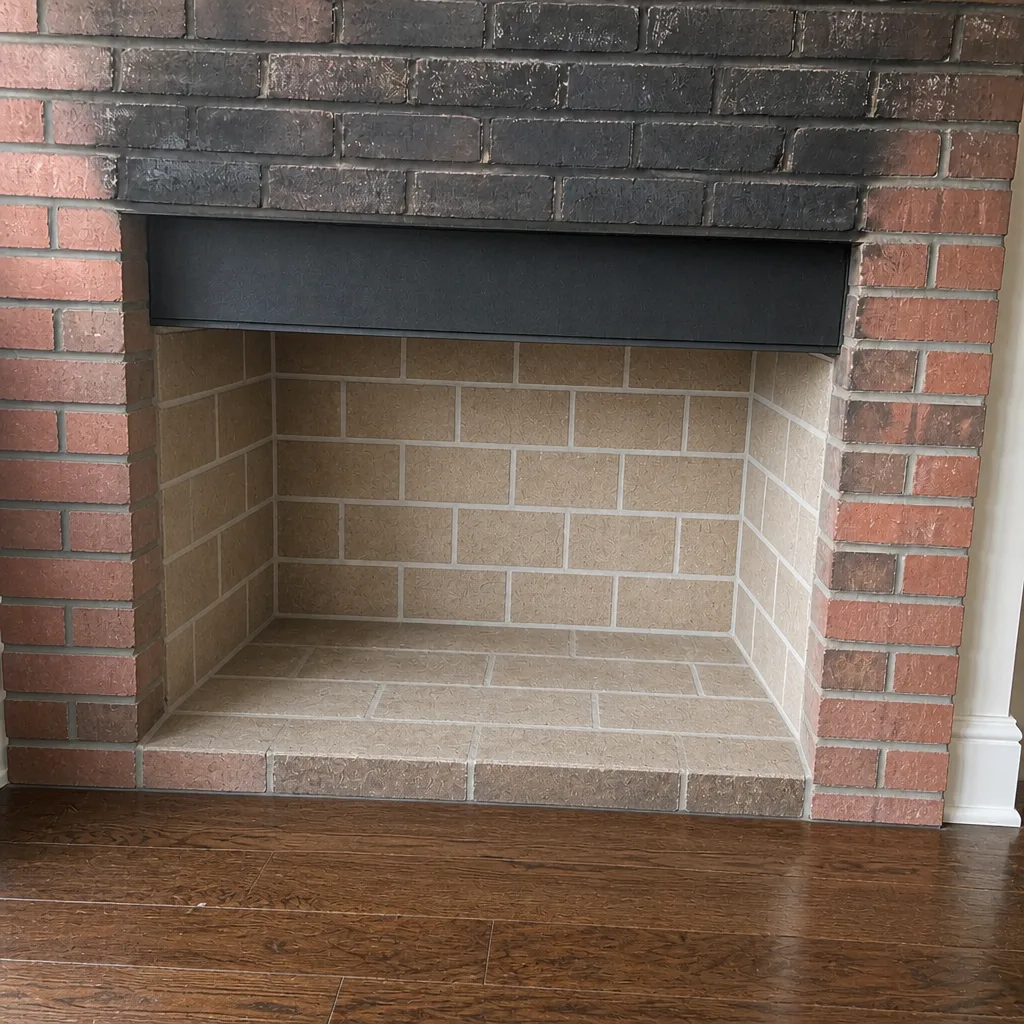
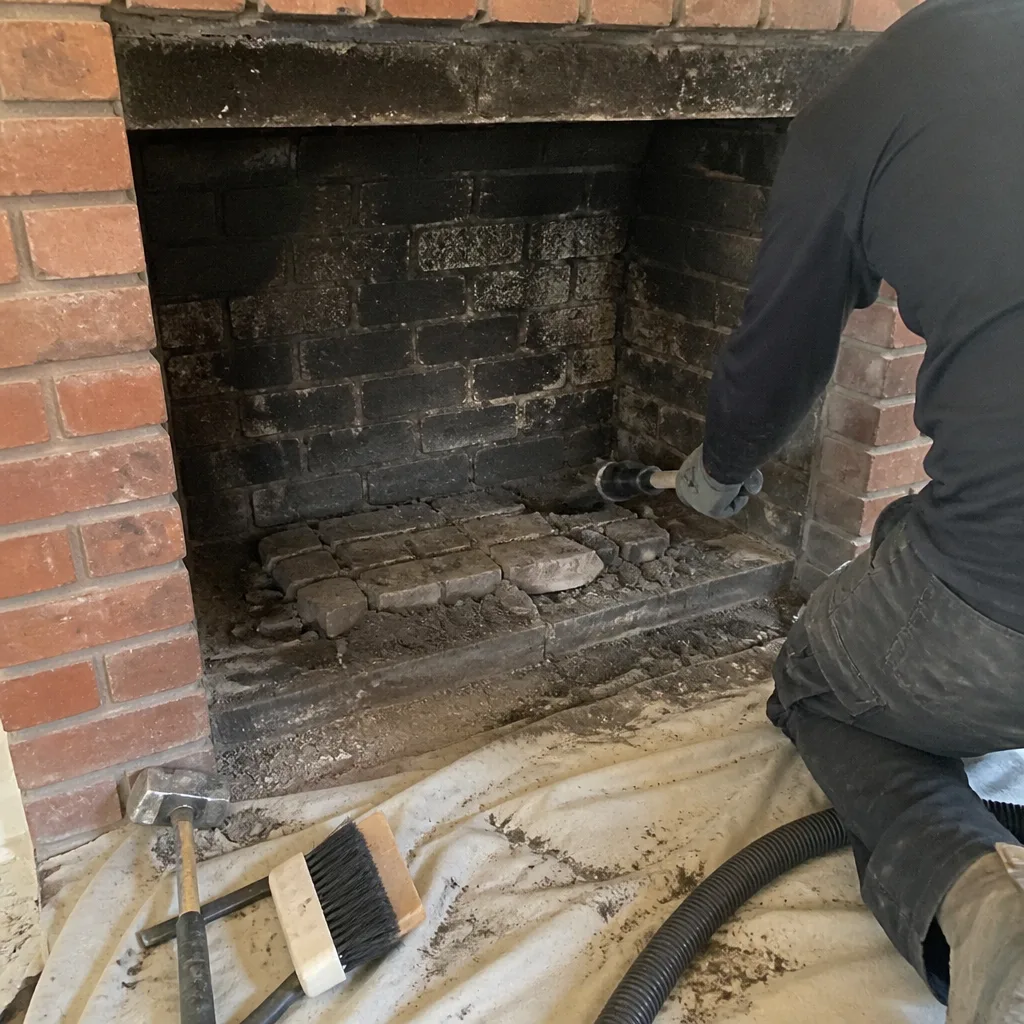
See the difference
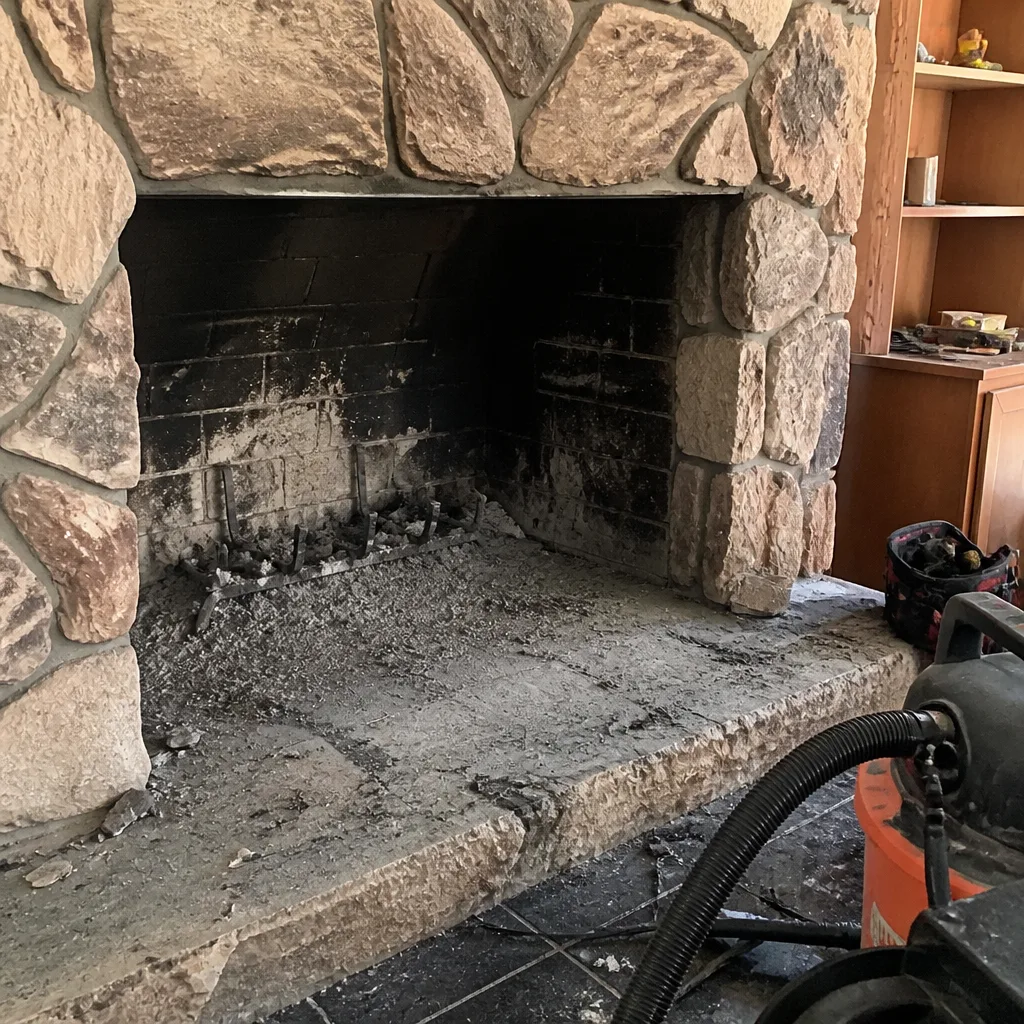 Before
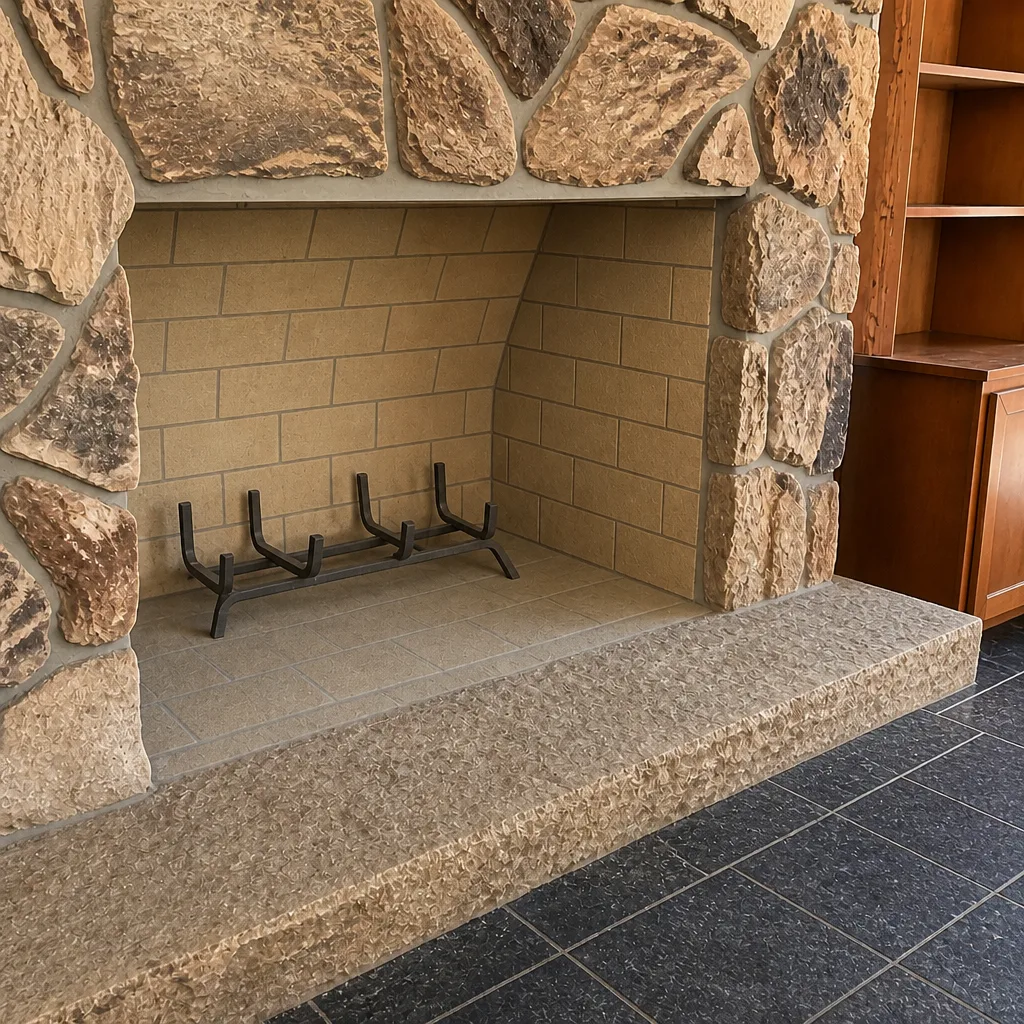 After
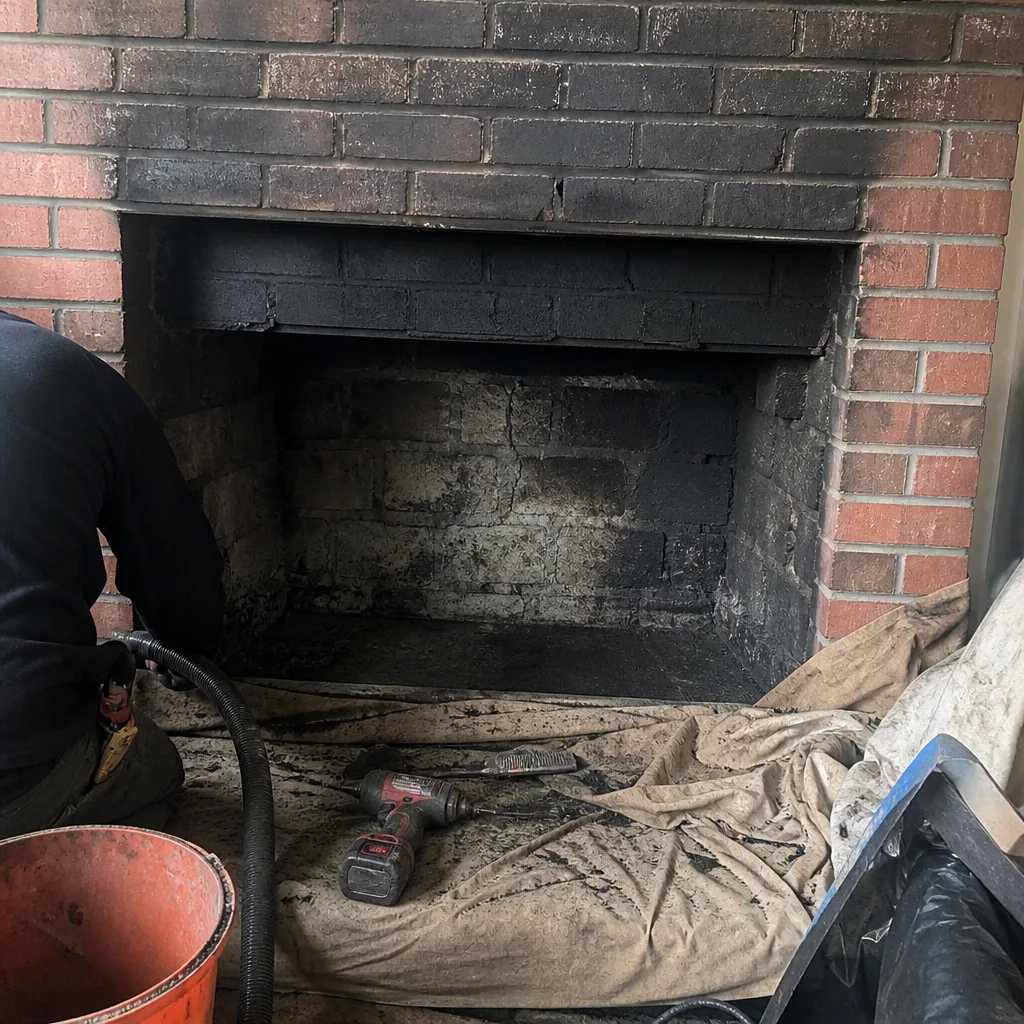 Before
 After
 Before
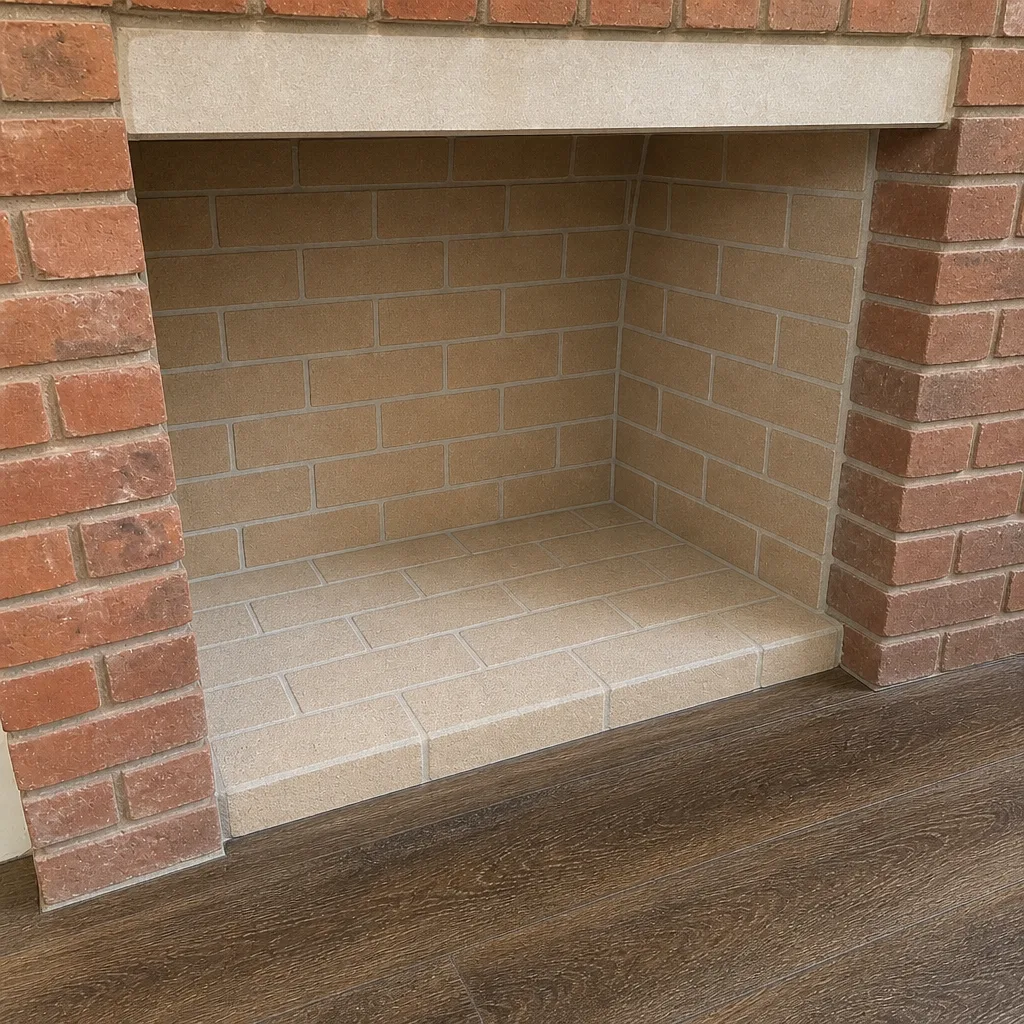 After
When to Call a Professional
Some chimney issues are safe to observe and schedule at your convenience. Others warrant a call today. Call a professional immediately if: you hear rumbling or roaring from the chimney, you see smoke backing into the room when the fire is lit, your CO detector alarms, your chimney has visible cracking or shifted bricks after an earthquake, or you’ve had a chimney fire and want the flue inspected before using it again. Call to schedule soon if: it’s been more than a year since your last sweep or inspection, your cap is missing or damaged, you’re seeing stains on the ceiling or chimney chase, or you’re buying or selling a home in Antioch and need current documentation. Chimney Sweep Antioch offers free estimates in Antioch. Call (844) 352-4625. We answer 24/7. Fast dispatch from 7am to 7pm, Sunday through Friday. Our technicians have up to 15 years of experience across sweeping, inspection, and repair, and we work with the professional-grade brands that hold up to documented condition checks.
Frequently Asked Questions
Once a year for both, and ideally before the first fire of fall. The sweep clears the flue, and the inspection verifies the condition of the liner, cap, and appliance connections. If you burn heavily through the season, you may need a mid-season sweep as well. Call (844) 352-4625 for an exact quote; estimates are free.
You lose the only reliable way to know what condition your flue is in. Creosote in the flue, cracked tiles, and a missing cap are all conditions that build silently. The first sign of a problem is often smoke in the room or a chimney fire, and at that point you’re dealing with emergency response rather than prevention. Call (844) 352-4625 to schedule before the season; estimates are free.
It depends on the condition of the liner. HeatShield resurfacing can restore a deteriorating liner in some cases without a full reline, and a full DuraFlex liner system is the more appropriate solution when damage is more extensive. The inspection determines which applies. We’ll tell you honestly which you need, and if the work can safely wait, we’ll say so. Call (844) 352-4625 for an exact quote; estimates are free.
A brief puff of smoke while the flue is warming up is normal. Smoke that continues, or a fire that won’t draw, is not; it can indicate a partially blocked flue or a backdraft condition. That’s a same-day service call, not a wait-and-see situation. Call (844) 352-4625. We answer 24/7. Fast dispatch from 7am to 7pm, Sunday through Friday.
Stop using the chimney and arrange an inspection. Contra Costa County sits near active faults, and seismic movement can crack flue tiles or shift a crown without any visible exterior damage. An interior camera inspection is the only reliable way to confirm the flue is still intact. Call (844) 352-4625 for an exact quote; estimates are free.
A sweep physically cleans the flue. An inspection evaluates the entire system, including the liner, cap, crown, and appliance connections, and produces a documented report with findings. Preparedness requires both, and on our Antioch service calls we run them together. A sweep without an inspection is guesswork, and an inspection without the ability to repair what it finds is just a referral. Call (844) 352-4625 for an exact quote; estimates are free.
The Bottom Line
Chimney emergency preparedness comes down to knowing the condition of your flue before you need to. Get the annual sweep and inspection, keep a real chimney file with reports, invoices, and photos, run the pre-season checklist before the first fire of fall, place CO detectors near the fireplace and outside sleeping areas, and inspect after any earthquake you can feel in Antioch. If you’re overdue for service, or you’ve been told repairs are needed and want a company that can actually do the work, we work with DuraFlex, HeatShield, Gelco, Famco, Copperfield, and Olympia Chimney product lines and we handle sweeping, inspection, and repair under one accountable service relationship. Call (844) 352-4625 for a free estimate. We answer 24/7. Fast dispatch from 7am to 7pm, Sunday through Friday.
Written by the team at Chimney Sweep Antioch.