
Last updated November 16, 2026
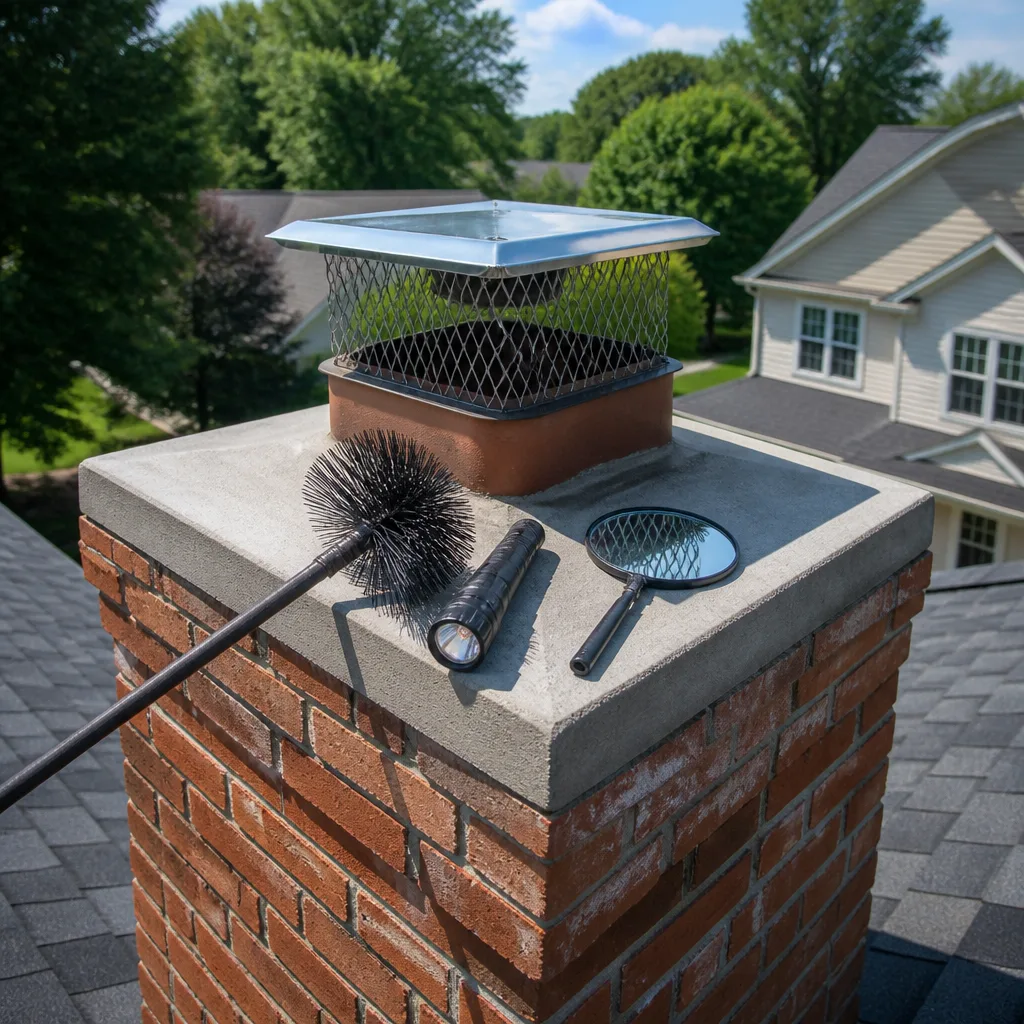 Sweep & inspection
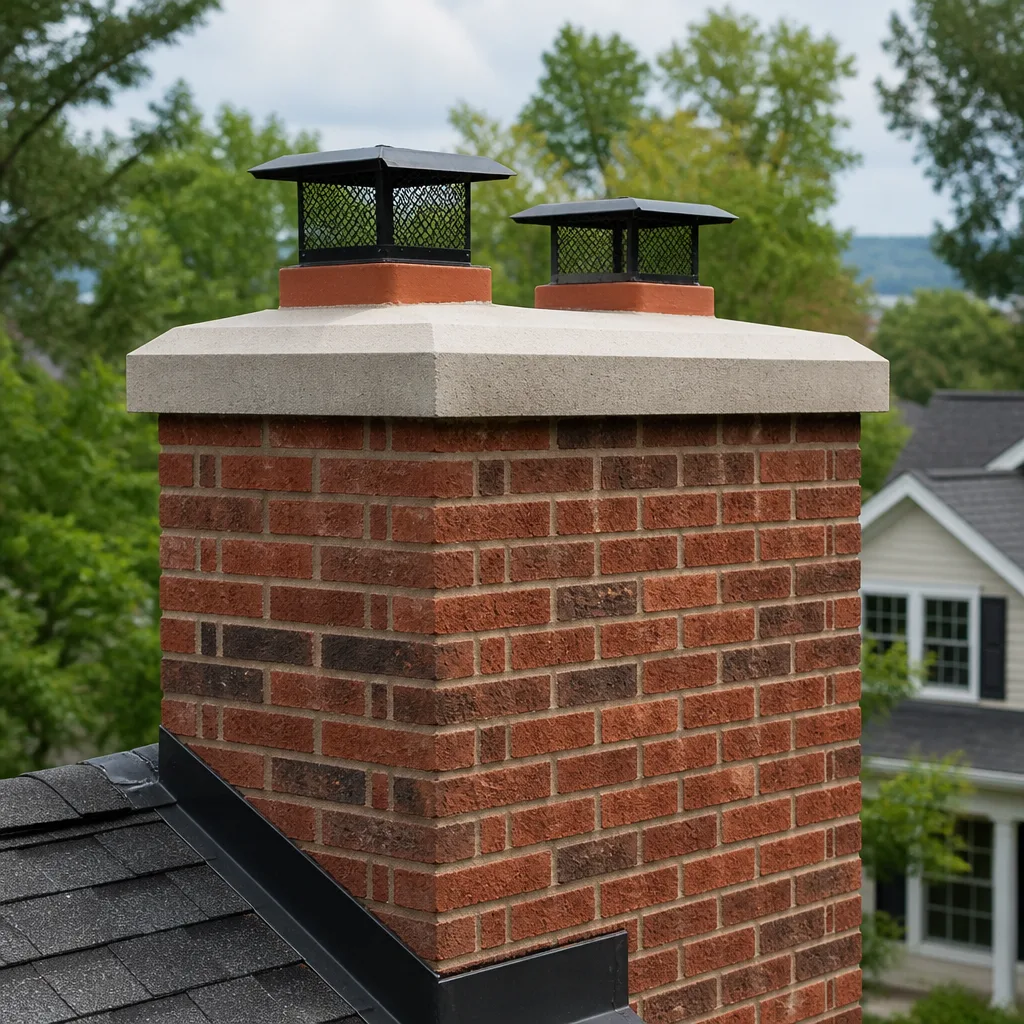 Caps & crowns
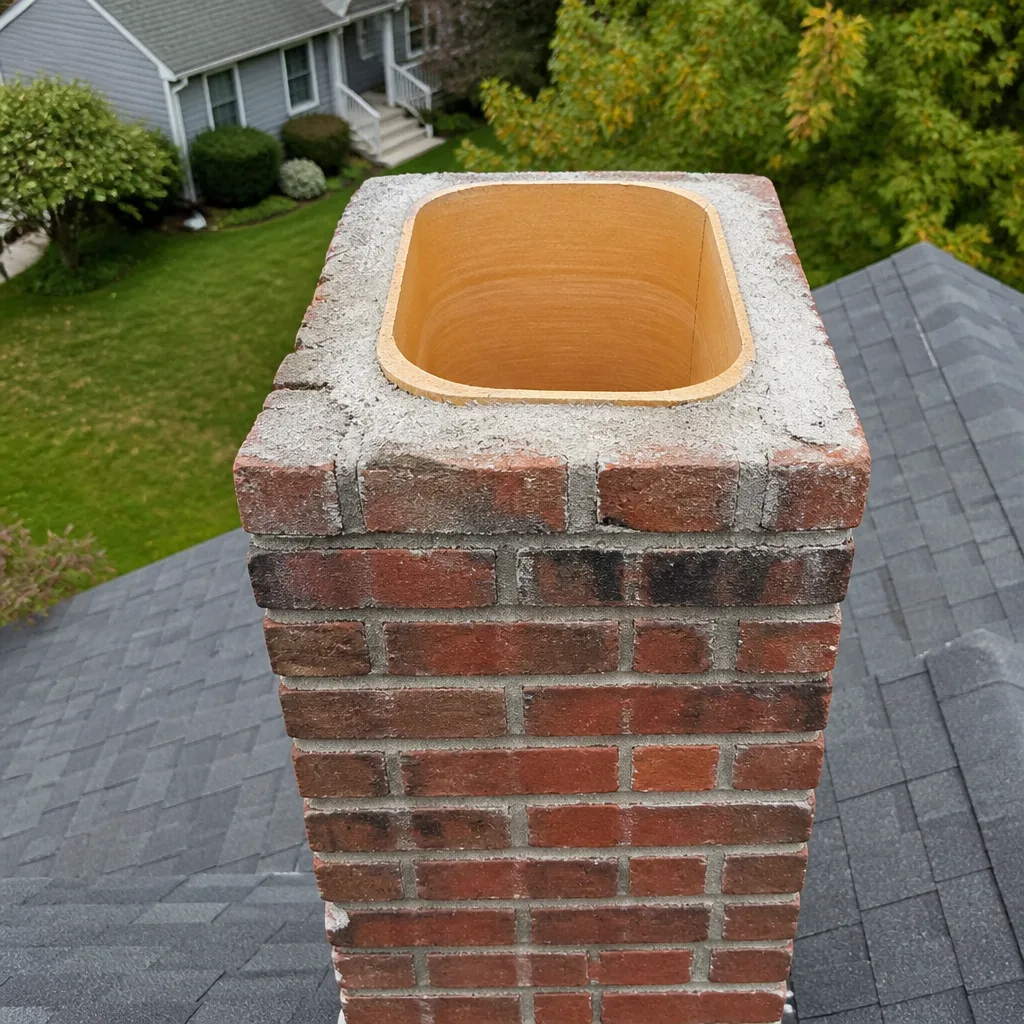 Flue relining
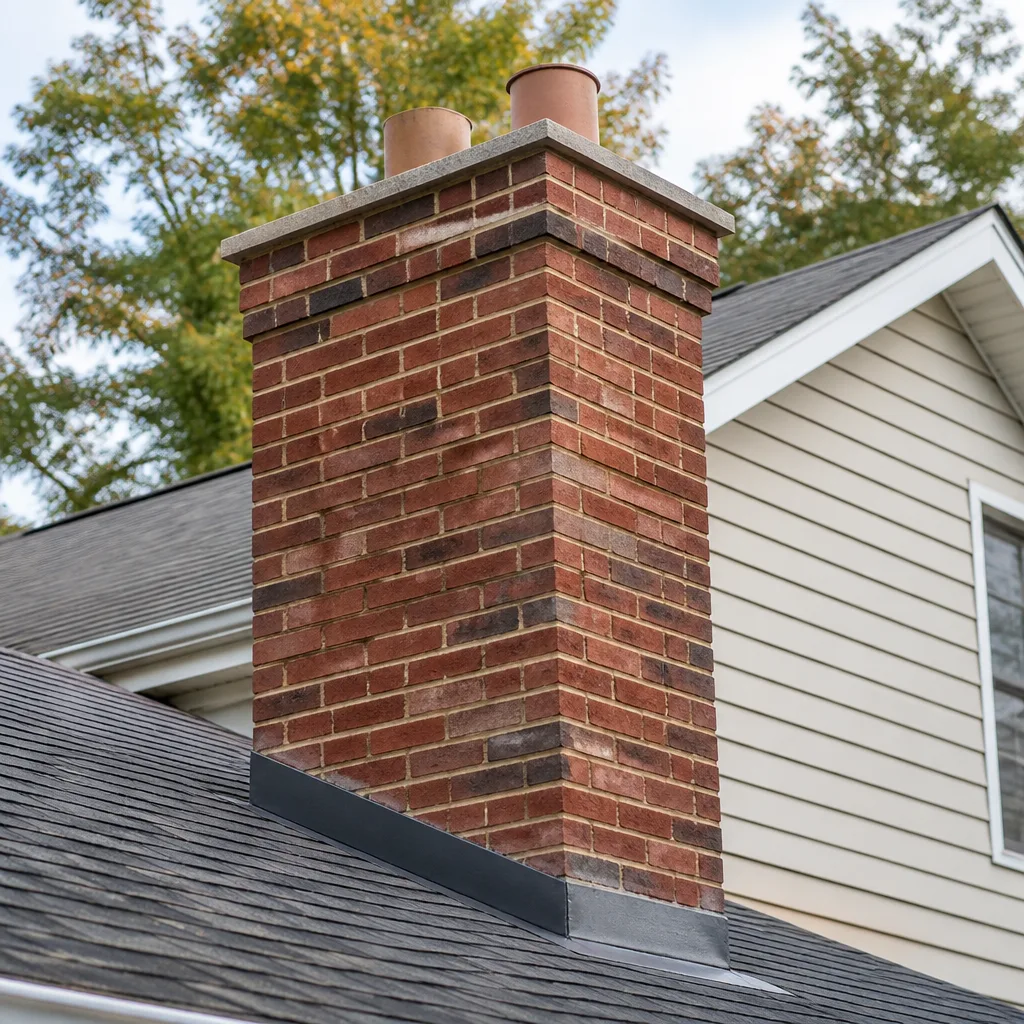 Masonry repair
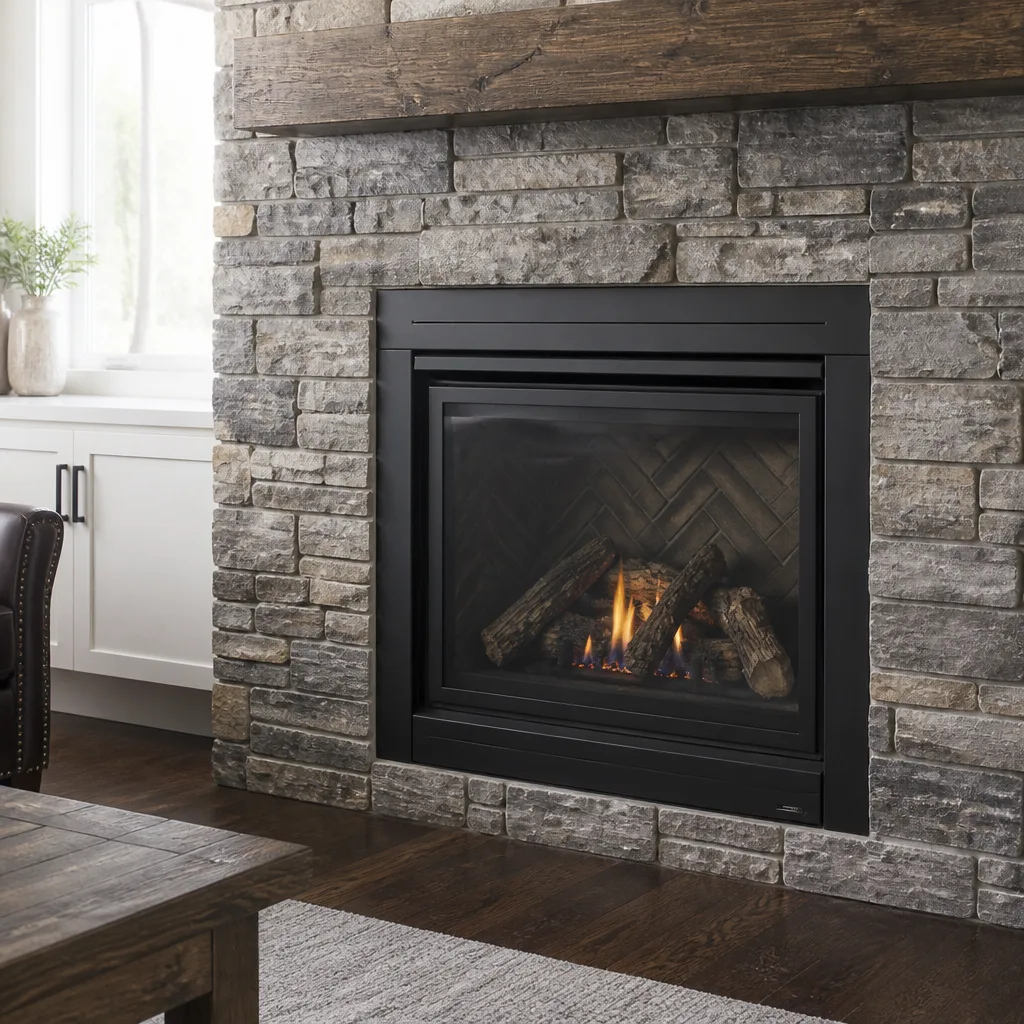 Gas fireplace service
Level 1 sweep and inspection to the NFPA 211 annual standard - flue, crown, cap, and flashing checked and photographed
Chimney sweep logs do not sweep chimneys. They loosen some creosote - which then falls where a brush and vacuum still have to collect it.
Choosing the Right Chimney Cleaning Brand: A Buyer’s Guide for Antioch
Two chimney liners can look identical on an invoice and perform completely differently. One is listed to UL 1777 for continuous use behind a wood appliance; the other is rated for intermittent service and may not belong in your flue at all. The difference rarely shows up in the price line. It shows up in the specification, and most quotes in Antioch never name a product at all. This guide is about closing that gap. You’ll learn what the UL listings on chimney products actually mean, how flexible and rigid liners differ in practice, what ceramic resurfacing can and cannot fix, why the cleaning tools themselves change the result, and how to read a contractor’s material spec so you can compare two bids honestly.
Quick Answer
The right chimney brand for your Antioch home is the one your contractor can name by product line and model, with a listing that matches your appliance and fuel type. Professional-grade systems like DuraFlex flexible liners and HeatShield ceramic resurfacing are specified for a reason: they’re tested to specific UL standards (UL 1777 for liners, UL 103 for factory-built chimneys) and installed by technicians who understand what those listings cover. A quote that names no products is a quote you can’t evaluate.
Styles & brands we work with
- Sweep & inspection
- Caps & crowns
- Flue relining
- Masonry repair
- Gas fireplace service
Table of Contents
- Why the Brand Behind Your Chimney Parts Matters
- What UL 103, UL 127, and UL 1777 Actually Mean
- DuraFlex vs. Rigid Stainless: When Flexibility Is the Right Spec
- HeatShield Ceramic Resurfacing: What It Restores and What It Can’t
- Why Professional Brushes and Tools Clean Better
- How to Read a Contractor’s Material Spec on a Quote
- What Antioch Homeowners Should Know Before Booking
- Common Mistakes to Avoid
- When to Call a Professional
- Frequently Asked Questions
Why the Brand Behind Your Chimney Parts Matters
A chimney is not a hole in the wall with fire in it. It’s an engineered assembly of components, each with its own testing standard, and every one of them affects how the system performs under heat, moisture, and creosote. When someone quotes you a reline or a cap replacement without naming the product, they’re asking you to trust the labor alone. Labor matters. Materials matter just as much.
The difference between a professional-grade liner and a commodity alternative shows up over time. Professional lines are tested for continuous use behind the specific appliance they serve, with documented wall thickness and alloy content. Commodity products often meet the bare minimum. On a resale inspection or at the next sweep, that gap becomes visible.
We work with the same brands professional chimney contractors specify, including DuraFlex for flexible liner systems, HeatShield for ceramic liner resurfacing, and Copperfield for cleaning tools. We name them because you should know what’s going into your chimney. If you’re comparing us to another quote, compare the named products side by side.
One more reason this matters in Antioch: many homes here were built during the big residential growth decades when flexible liners were the default for any insert installation. A 30-foot flue with an offset is nearly impossible to reline with rigid pipe alone. That’s exactly where product knowledge matters most.
What UL 103, UL 127, and UL 1777 Actually Mean
UL listings are third-party safety certifications, not marketing badges. Each one tells you what a product was tested for and how it’s allowed to be installed. Here’s the plain-English version of the three you’ll run into most on a residential chimney system in Antioch.
- UL 103 covers factory-built residential chimneys and venting. It applies to the entire assembled chimney, including wall thickness, clearances, and the temperature profile it can handle. If your home has a metal chimney enclosure rather than masonry, this is the listing on the label.
- UL 127 covers factory-built fireplaces: the firebox, the whole assembly, and the termination. It does not cover the flue connector or the chimney chase above it, which is why the firebox and the venting can carry different listings on the same house.
- UL 1777 covers chimney liners. It is the listing that matters most for relines and insert installations. A UL 1777-listed liner is tested for continuous operation behind a solid-fuel appliance under specific temperature conditions, and the alloy and wall thickness determine which application it’s approved for.
Why does this matter to you on a quote? Because “stainless steel liner” tells you nothing. A liner rated for intermittent use behind a gas appliance is not the same product as one rated for continuous use behind a wood stove. The listing determines the alloy (often 316L or 304), the wall thickness (commonly .006″ or .015″), and the warranty terms the manufacturer will actually honor.
We name products because a spec that names them is verifiable. When a quote just says “liner installed,” you have no way to know which listing you got until the next inspection finds the problem.
DuraFlex vs. Rigid Stainless: When Flexibility Is the Right Spec
Rigid stainless liners are thick, straight, and hard to beat for continuous heat transfer in an open vertical flue. Flexible liners, like the DuraFlex family, are formed from the same base materials but shaped to follow offsets, bends, and elbows. The question is never “which is better.” It’s “which is correct for this flue?”
Here’s how the decision usually splits in Antioch homes:
- Flexible is the right specification when the existing chimney has an offset, a back-to-back fireplace configuration, or a firebox that enters the flue at a horizontal angle. Rigid liner cannot climb a flue it can’t align with.
- Flexible is also required when the flue is undersized for the appliance, because a flexible liner can be installed in a smaller cross-section without breaking out masonry.
- Rigid is often better in a straight, oversized masonry chimney serving a wood stove, where the smoother interior draws better and the thicker wall gives more thermal margin.
- Flexible is a workaround to avoid when a rigid liner would fit cleanly and the installer simply prefers flexibility to save time on install. That’s a labor decision, not a material one.
In our experience, the honest answer to “flex or rigid?” comes from a camera inspection, not a sales call. If a contractor recommends flexible without looking inside the flue first, ask what they saw. If a contractor recommends rigid on a flue with an offset, ask how they plan to get it around the bend.
DuraFlex familiarity also means the installation can be done by the same company that did the inspection, rather than handed off to a subcontractor mid-project. If you want to talk through options for a specific flue in Antioch, our chimney repair team can walk you through what a liner actually looks like inside your chimney.
HeatShield Ceramic Resurfacing: What It Restores and What It Can’t
HeatShield is a ceramic-based resurfacing system applied inside an existing masonry flue. It’s one of the most misunderstood products in the trade, so here’s the accurate version.
What HeatShield does: it restores a deteriorated clay tile liner by filling gaps, cracks, and spalled joints with a ceramic compound that cures into a smooth, heat-resistant surface. When the tile is still structurally present but the joints have opened and the surface has eroded, resurfacing can extend the life of the chimney without tearing out the tile and installing a new stainless liner.
What HeatShield cannot do: it cannot replace missing tile sections, reverse a chimney that has lost structural integrity, fix a flue that’s simply undersized for its appliance, or substitute for a UL 1777-listed liner where local code requires one. It’s a repair-tier solution, not a reline.
How do you know if your flue is a candidate? A proper inspection report should answer three things:
- Whether the existing tile is still present and intact in cross-section, not just at the top.
- The size and location of joint gaps and surface cracks, measured or referenced in the report photos.
- Whether the flue’s draft, appliance, and fuel type are compatible with a resurfacing repair or require a full liner.
HeatShield-capable repair work is a cost-significant option that many sweep-only companies can’t offer. If a technician tells you resurfacing isn’t the right choice for your flue, that’s useful information. If a company that doesn’t offer resurfacing tells you it’s impossible, that’s a different statement. We’ll tell you honestly which you need.
Why Professional Brushes and Tools Clean Better
A chimney brush is not a commodity. The difference between professional-grade equipment and a consumer alternative is real, and it shows up both in how much creosote gets removed and in how much of it ends up in the room.
Copperfield tools are the standard we work with, and here’s what makes them different from hardware-store brushes:
- Fitted brush heads. A professional brush is sized to the flue dimension, with firm polypropylene or wire bristles that hold contact through the full length of the sweep. A brush that’s too small skips sections; one that’s too large jams.
- Less fugitive dust. Professional rods, drop cloths, and brush designs keep debris contained. In a tight frame house, that’s the difference between a sweep and an afternoon of cleaning soot off the walls.
- Correct bristle type per flue. Wire bristles for masonry flues, softer brushes for stainless liners and factory-built chimneys, and specific tools for the smoke chamber and damper shelf. One brush doesn’t do all of it.
- Creosote removal per pass. Glazed, third-stage creosote is stubborn. Professional tools remove more per pass, which means fewer passes and less chance of damaging the flue surface trying to muscle through it.
We name the tools we use because a sweep with the right brush is closer to a full cleaning. A sweep with the wrong one is closer to a touch-up. If you’re overdue and haven’t had a chimney sweep in years, the tools matter more, not less.
How to Read a Contractor’s Material Spec on a Quote
This is the section that saves you the most money and the most headache. A quote that doesn’t name the product is a quote you can’t evaluate. Here’s how to read one that does.
- Look for a product line, not a description. “Stainless liner” is a description. “DuraFlex 316L flexible liner, .006 wall” is a specification. The second tells you what you’re buying; the first doesn’t.
- Check for the UL listing. A professional quote should reference the listing (UL 1777 for liners, UL 103 for chimney venting). If it doesn’t, ask for it in writing.
- Look for the termination and cap. A liner without a cap and a proper top plate is a job that’s 80% finished. We work with Gelco and Famco caps and venting components because a system is only as good as its outermost element.
- Check what’s included. Sweep, inspection, camera report, cap, and haul-away should be named separately. If they’re rolled into one number with no breakdown, ask for the breakdown before you sign.
- Ask for the inspection report with photos. A quote based on evidence should come with the evidence. If you can’t see the flue, you can’t verify the recommendation.
- Compare products line by line. When two quotes name different products, you’re comparing materials, not labor. That’s the comparison that actually matters.
If you’re comparing us to another company in Antioch, ask us for the spec sheet on any product we’re proposing. If a competitor can’t produce one, that tells you something.
What Antioch Homeowners Should Know Before Booking
Antioch’s housing stock is a mix of older masonry chimneys and factory-built metal fireplaces installed during the various growth waves, and both come with their own service considerations. Winters here are mild, which means fireplaces see more intermittent use than in colder climates. That pattern has a specific consequence: more small, cool, low-efficiency burns, which leave more creosote per cord of wood than a hot fire in a cold climate would.
A few things worth knowing for an Antioch home:
- Intermittent burning builds creosote faster. A fireplace used for a fireside weekend in January and then shut down for months is a classic creosote factory. Sweep frequency should track actual burn volume, not the calendar alone.
- Offsets are common. If your chimney was built into a back-to-back configuration or a mid-century ranch layout, expect a flexible liner recommendation on any reline. That’s not a shortcut; it’s how the flue can be lined at all.
- Caps matter more than people think. A chimney without a properly fitted cap lets in rain, animals, and debris year-round. The cap is the cheapest component of the system and the one most often skipped on a budget quote.
- Seismic and settling considerations. Older masonry chimneys can develop crown cracks and pulled flashing over time. A camera inspection should look at the crown and the exterior, not just the flue interior.
Our technicians have up to 15 years of experience serving the East Contra Costa area, and we’ve seen all of these locally. If you’re due for a sweep or you’ve been told a repair is needed, we can look at it and tell you what we see. Call (844) 352-4625. We answer 24/7. Fast dispatch from 7am to 7pm, Sunday through Friday.
Common Mistakes to Avoid
- Accepting a quote with no product names. If the contractor won’t tell you which liner or which cap, you can’t tell what you’re buying. Ask for the spec sheet before you compare prices.
- Assuming cheaper labor is the same job. A quote that’s noticeably lower than the others often reflects a commodity product, not a labor discount. On a flue that will burn hot behind a wood-stove insert, the material matters.
- Treating “UL listed” as a single standard. UL 103, UL 127, and UL 1777 cover different parts of the system. A liner matching the wrong listing is a problem, not a bargain.
- Replacing a liner when resurfacing would have worked. HeatShield is often the right answer for a tile flue with joint deterioration. If a company only sells full relines, every chimney gets a full reline.
- Skipping the cap to keep the price down. Rain, animals, and debris working on the interior of a freshly relined flue will undo the job faster than any burn cycle. The cap is part of the system.
- Hiring a sweep who can’t do the repair. A sweep that finds a problem and hands you a referral is a two-vendor project with one handoff. The company that diagnoses should be the company accountable for the fix.
- Ignoring the camera report. If the inspection didn’t produce photos you can look at, the recommendation is a guess. Ask for the images every time.
When to Call a Professional
Call a professional if it’s been more than a year of regular use since your last sweep, if you’ve just moved into a home with a fireplace and don’t know its service history, or if you’ve had a chimney fire or a heavy smoke backup. Call if you’ve been told repairs are needed and want a second opinion with a camera report, or if you’re planning to install an insert or replace a damaged cap. Call if you’re seeing glaze or heavy soot on the firebox walls, or if the damper and smoke shelf haven’t been checked in years.
Chimney Sweep Antioch offers free estimates in Antioch. We inspect first, look at the evidence with you, and tell you honestly what needs to be done versus what can safely wait. Sweeping, inspection, and repair all sit under one service relationship, so the findings from your inspection can be acted on by the same team. Call (844) 352-4625.
Frequently Asked Questions
They differ in measurable ways: alloy grade, wall thickness, and the UL listing they hold. DuraFlex and comparable professional lines are specified to the standard your appliance requires. Commodity products often meet only the minimum, and the difference shows up on the next inspection. Call (844) 352-4625 for a free estimate and we’ll walk you through what’s actually in your flue.
UL 1777 applies to liners. UL 103 covers factory-built residential chimneys and venting, and UL 127 covers factory-built fireplaces. If a quote recommends a liner, the product should reference UL 1777 and the appliance it’s listed for. Ask for the listing in writing.
HeatShield can extend the life of a masonry flue when the tile is still present but the joints are gapped and the surface has eroded. It cannot replace missing tile, fix an undersized flue, or substitute for a UL 1777 liner where code requires one. The right answer comes from a camera inspection, not a sales call. Call (844) 352-4625 for a free estimate and we’ll show you what the camera found.
Ask for the product line and model number in the written quote. A professional contractor will name the liner, the cap, and the venting components without being pushed. If the quote only says “liner installed,” ask for the specification before you sign. Chimney Sweep Antioch names the brands because you should know what’s going into your chimney.
Yes, in two measurable ways: they remove more creosote per pass, and they keep more debris contained. A fitted professional brush stays in contact with the full flue surface, and the containment tools keep soot out of the room. Copperfield tools are what we work with for that reason. Call (844) 352-4625 to book a sweep.
A written inspection report with photos can be shared, but not all contractors document findings the same way. A report that names the product lines and lists the specific defects in cross-section is usable; one that just says “needs work” is not. We include camera evidence in every inspection so you can see what we see.
The Bottom Line
The brand of chimney products installed in your flue system is not a detail. It’s the specification that determines how long the system lasts, what it’s tested to handle, and whether your insurance and resale inspection will pass. Professional lines like DuraFlex and HeatShield are named on a quote for a reason: they’re the materials professional contractors specify, and they hold the listings your appliance requires. Read every quote for named products and the UL listing. Compare materials line by line. And hire a company that does sweeping, inspection, and repair under one accountability, so the diagnosis and the fix sit with the same team. If you’d like a material spec, a camera report, or a straight answer on whether resurfacing or a full reline is right for your Antioch home, call us. Estimates are free.
Explore our Chimney Sweep Antioch services for a single relationship that covers sweeping, inspection, and repair.
Call (844) 352-4625. We answer 24/7. Fast dispatch from 7am to 7pm, Sunday through Friday.
Written by the team at Chimney Sweep Antioch.
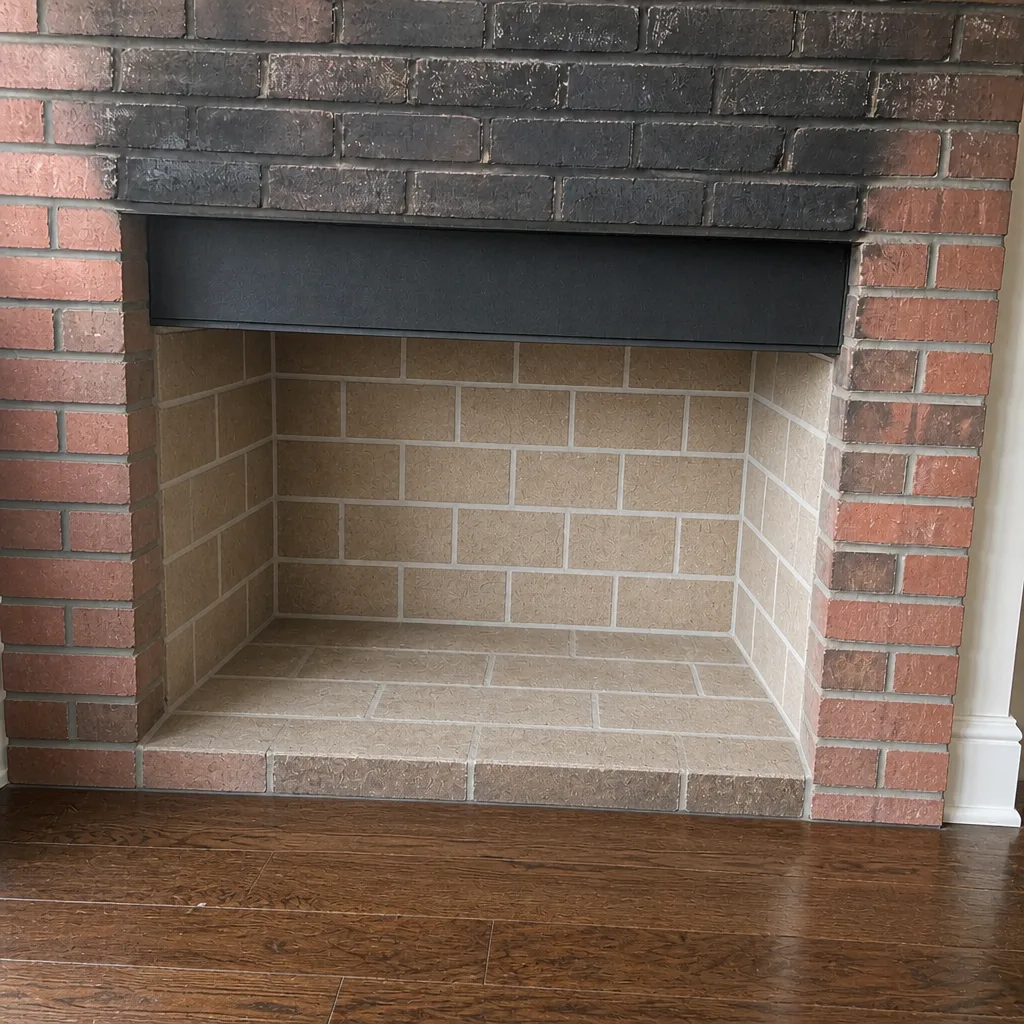
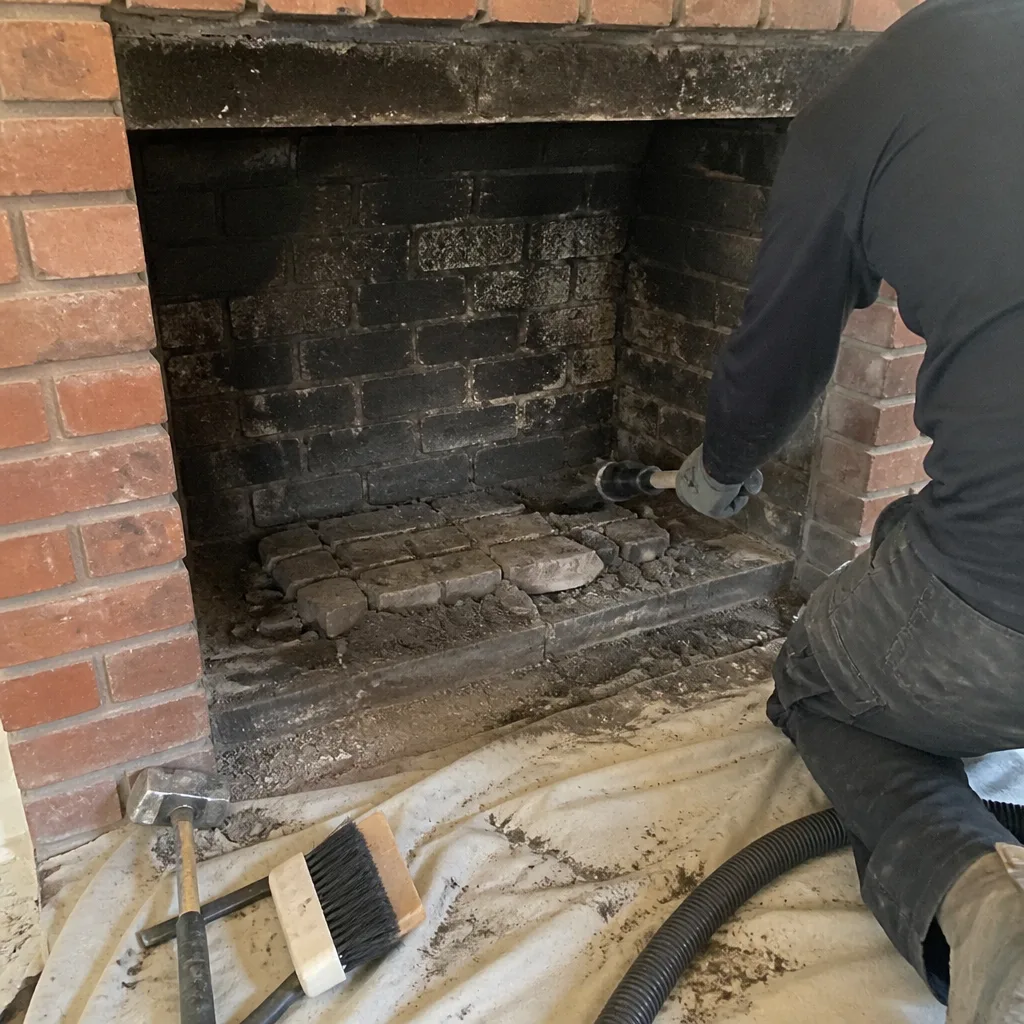
See the difference
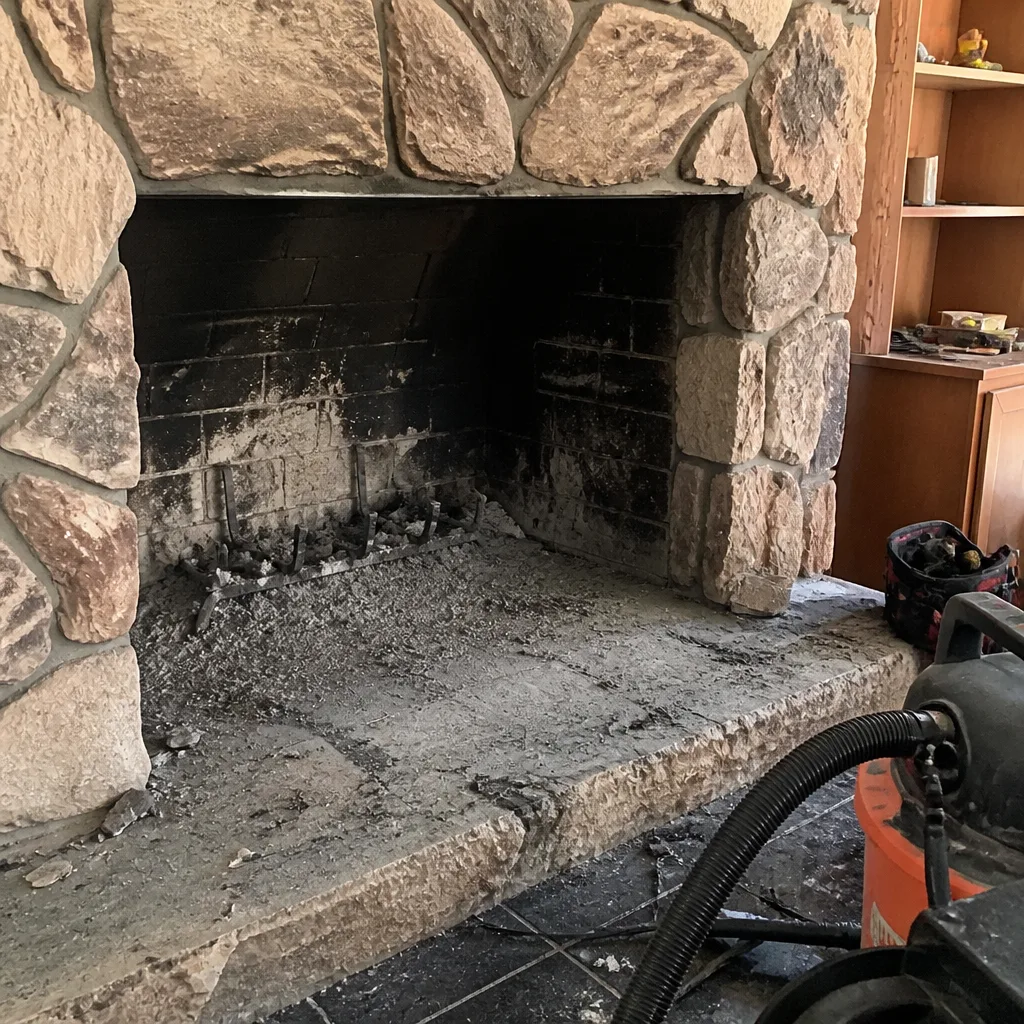 Before
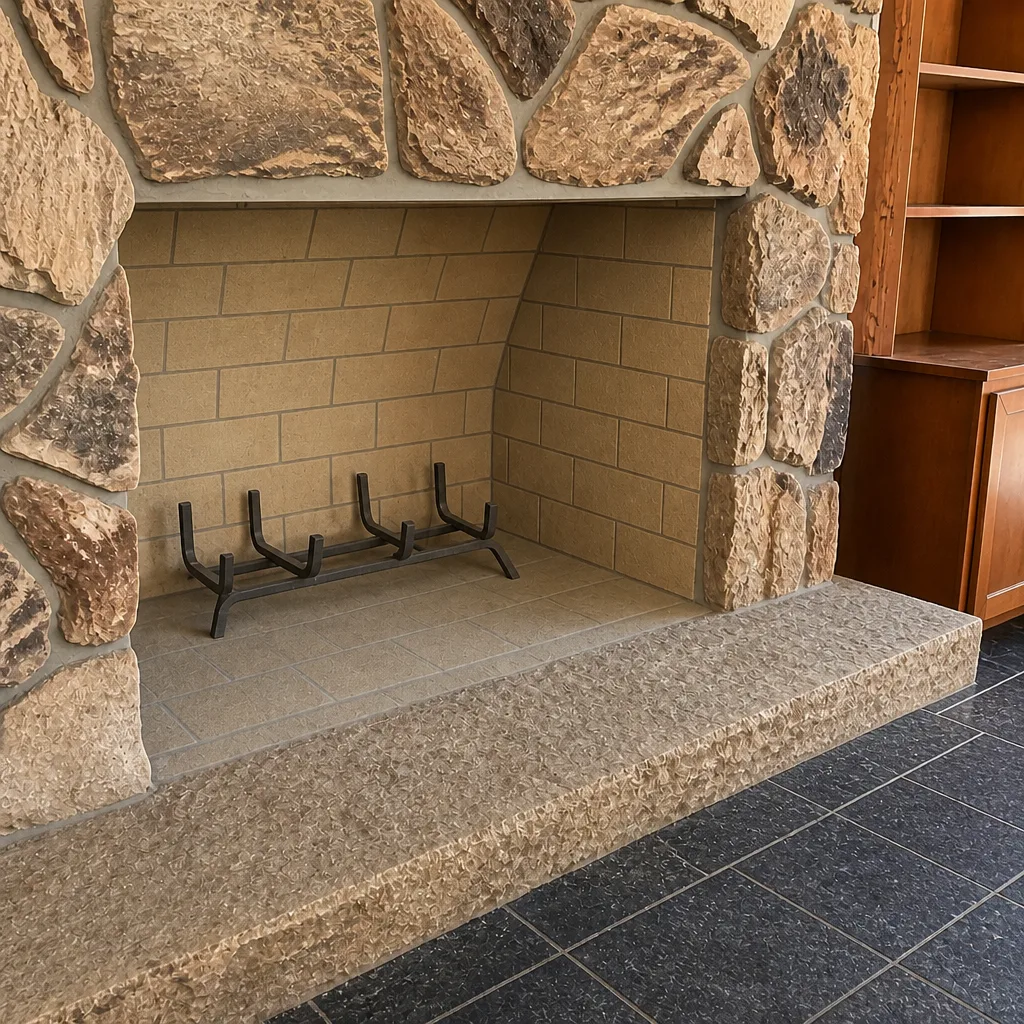 After
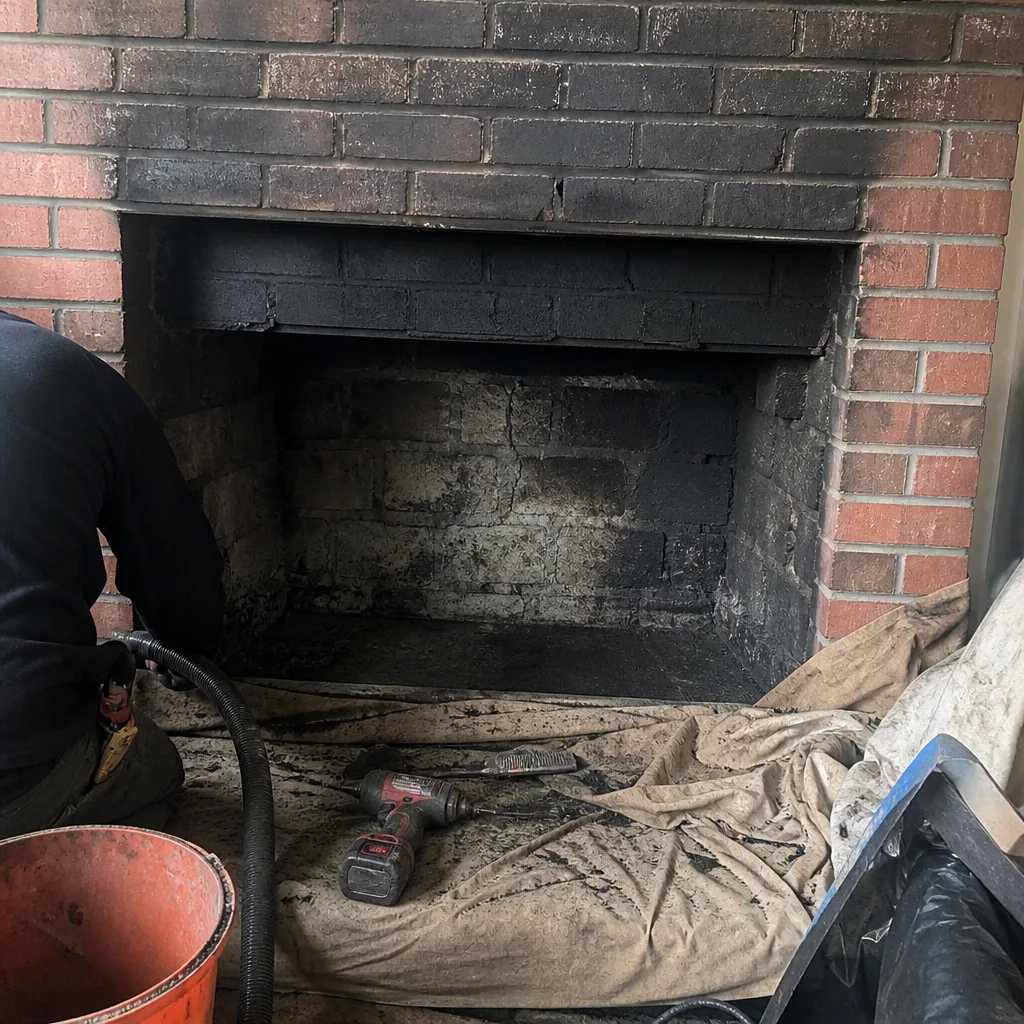 Before
 After
 Before
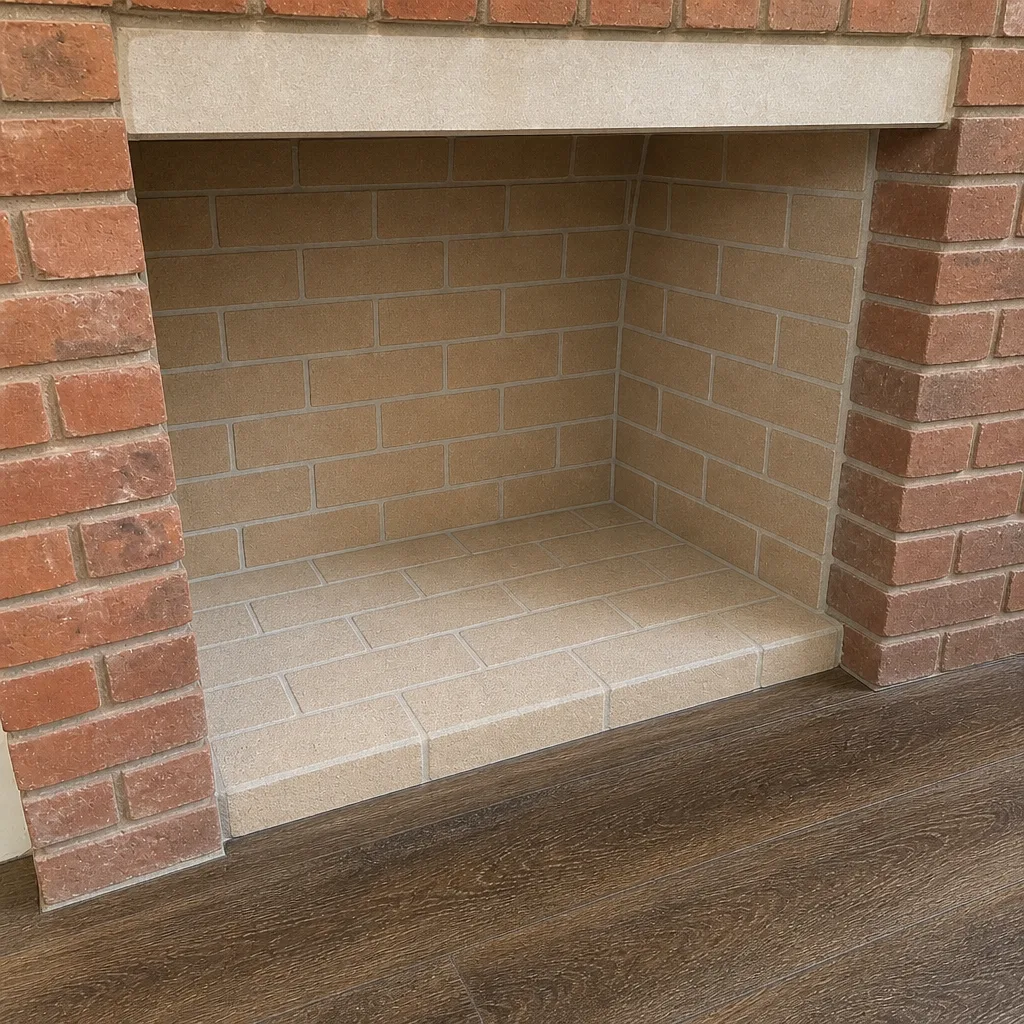 After