
Last updated November 16, 2026
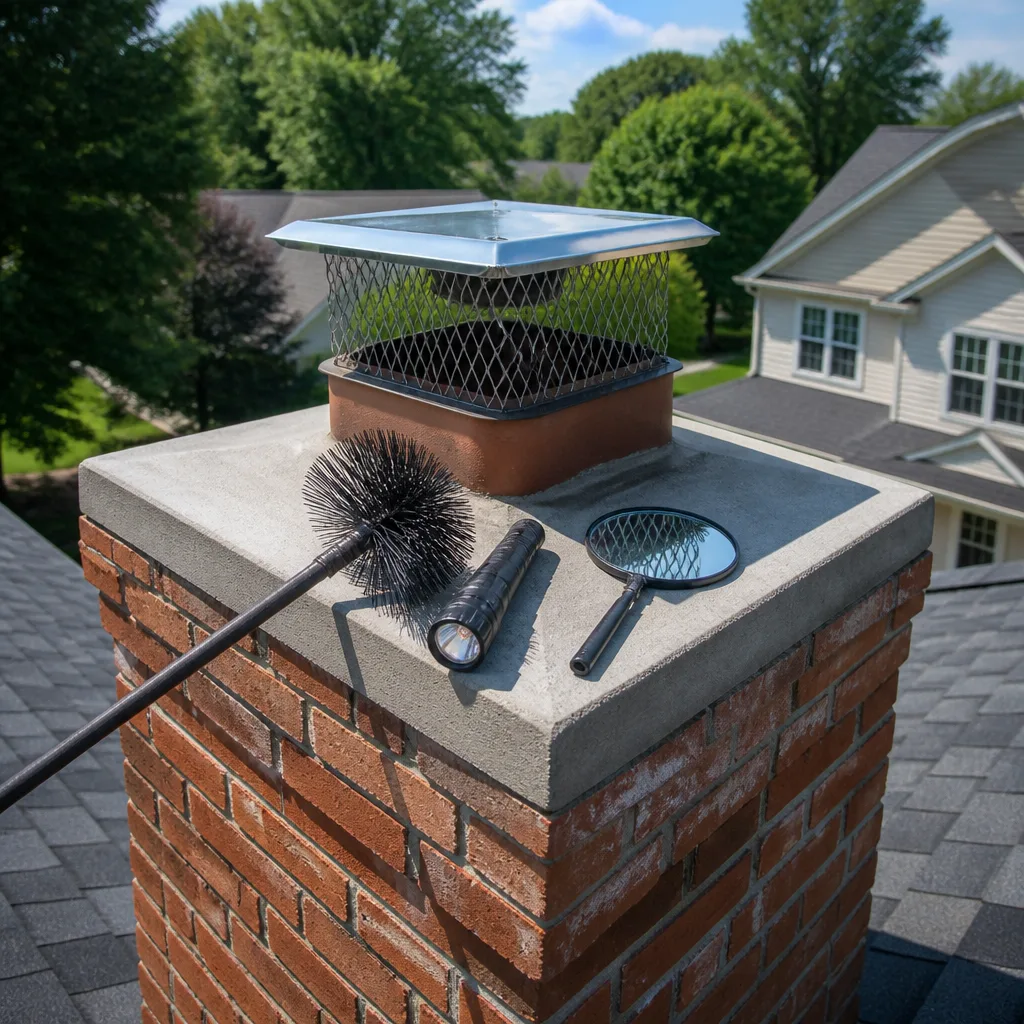 Sweep & inspection
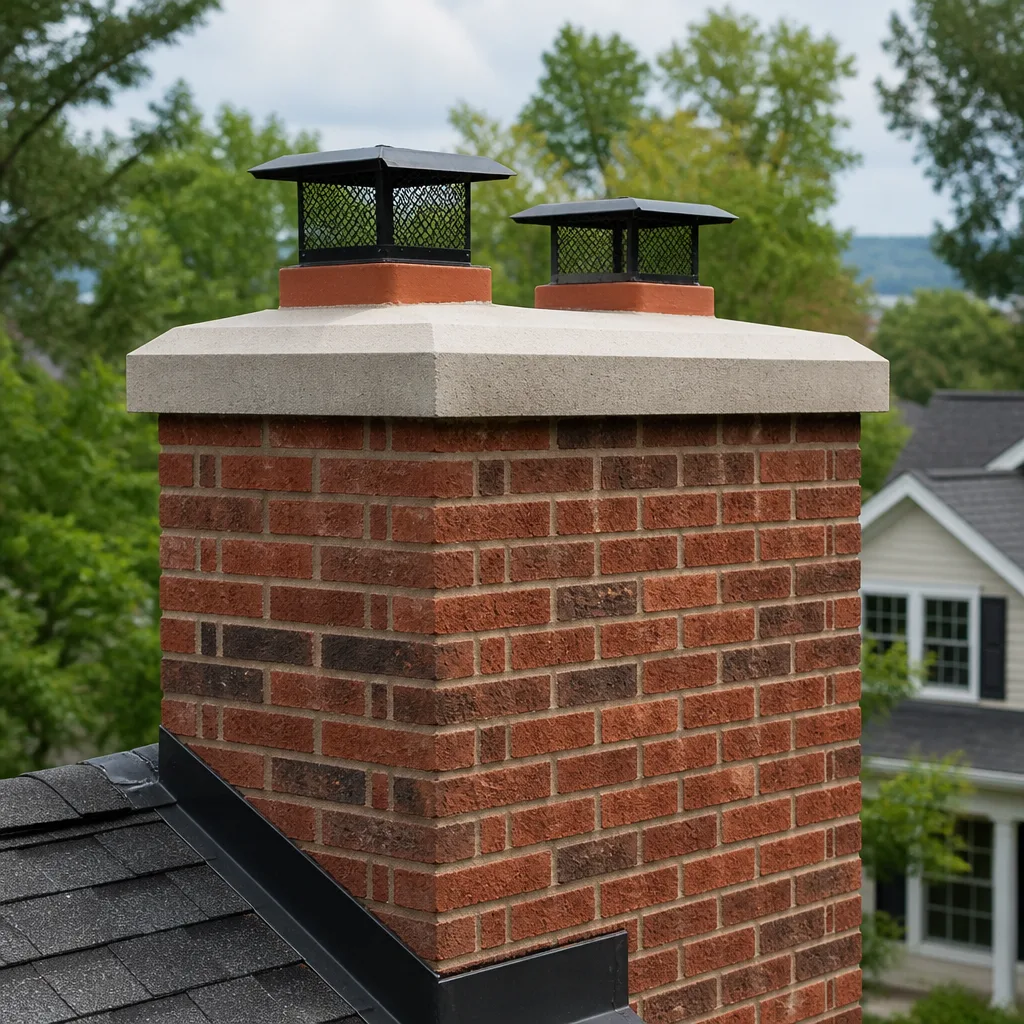 Caps & crowns
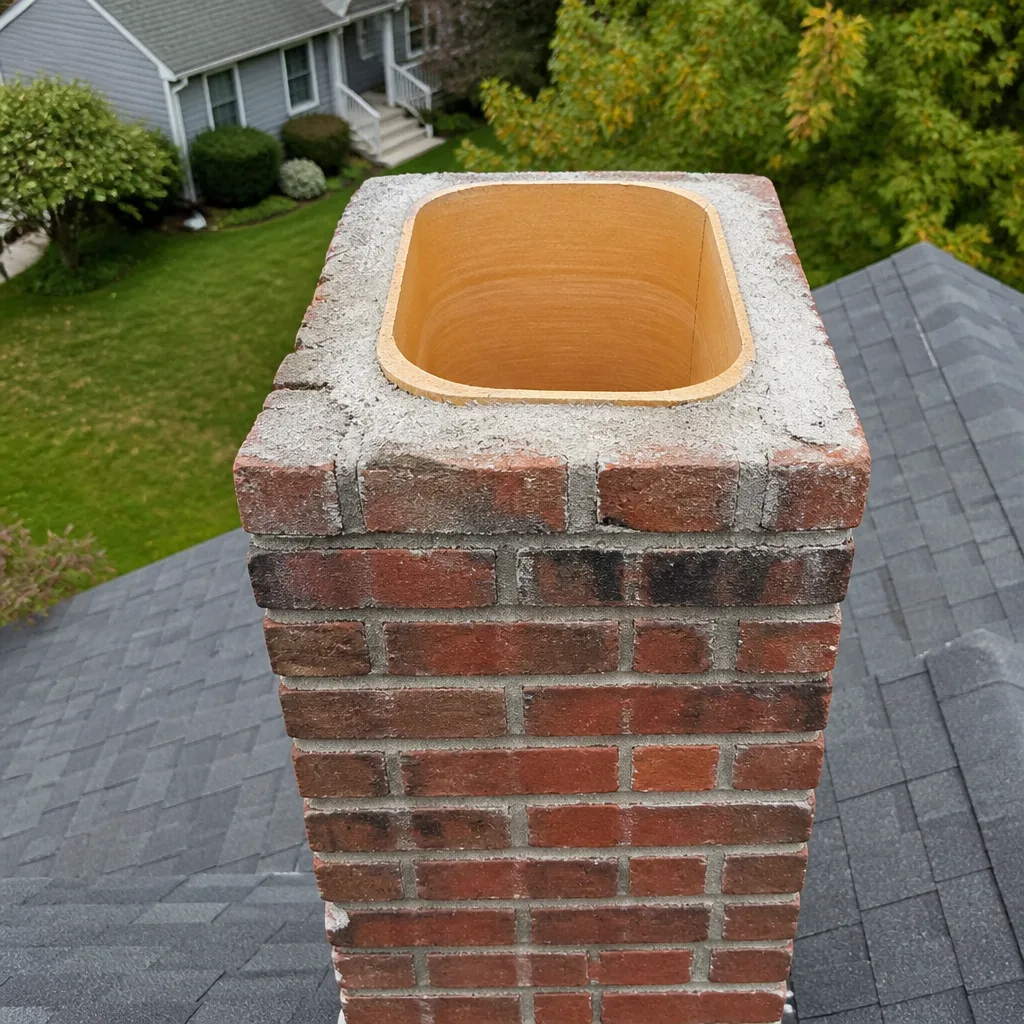 Flue relining
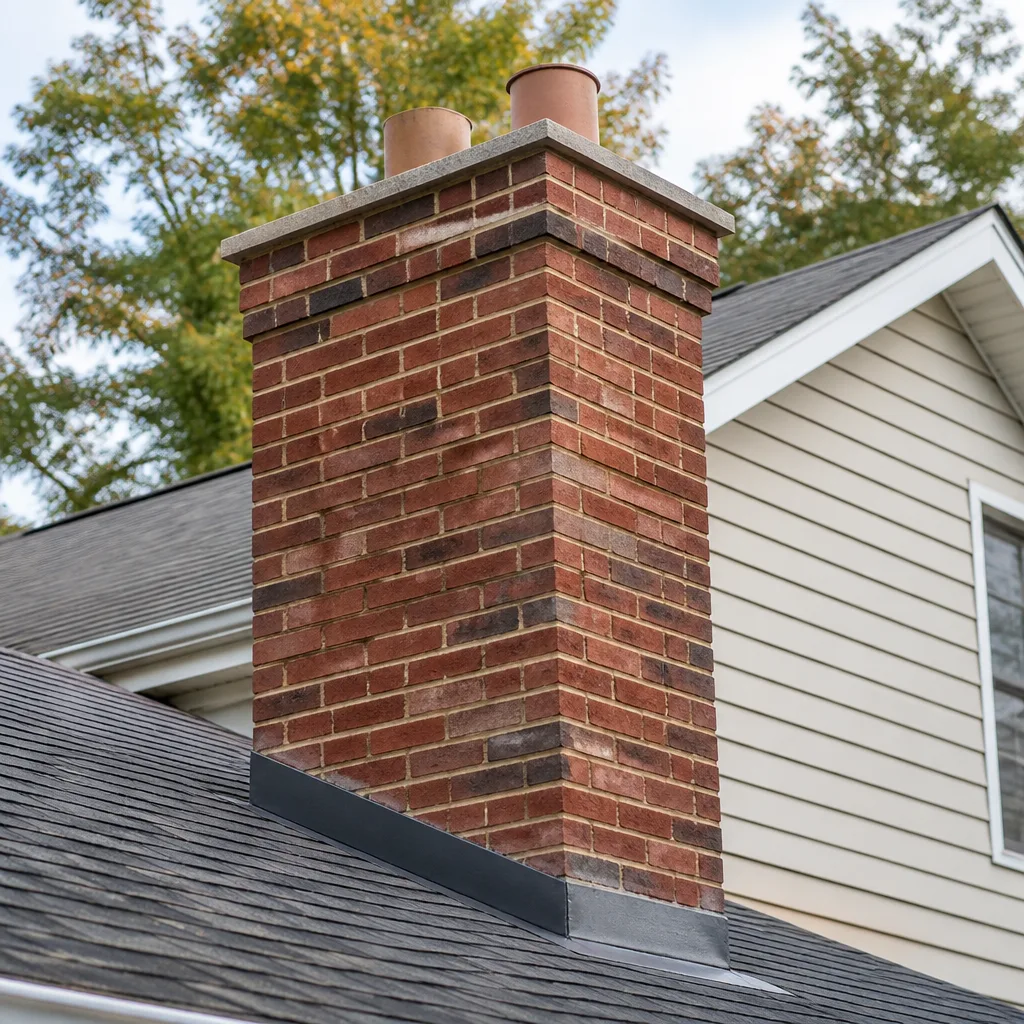 Masonry repair
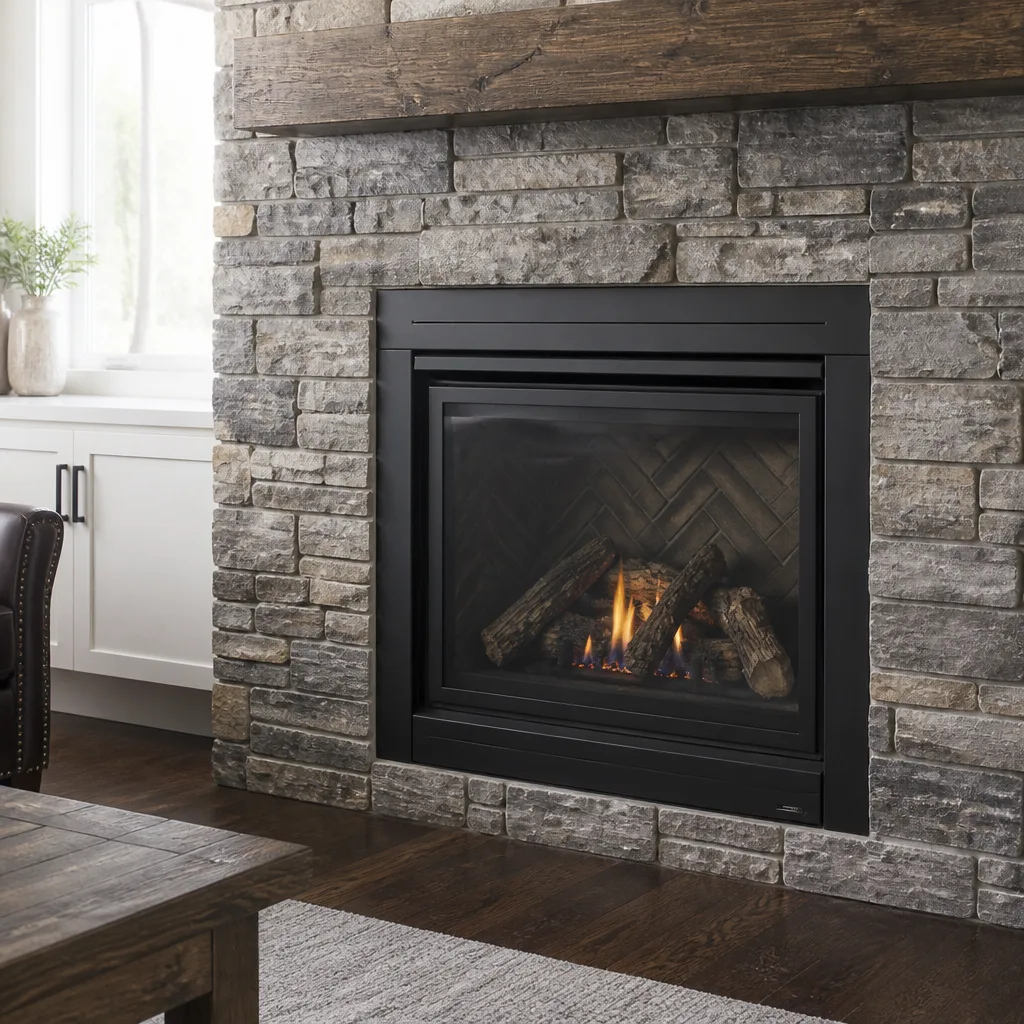 Gas fireplace service
Level 1 sweep and inspection to the NFPA 211 annual standard - flue, crown, cap, and flashing checked and photographed
Chimney sweep logs do not sweep chimneys. They loosen some creosote - which then falls where a brush and vacuum still have to collect it.
The Complete Guide to Chimney Cleaning in Antioch
Most chimney fires don’t start because a homeowner skipped a cleaning. They start because the cleaning happened but no one documented what the brush pulled out or what the camera showed afterward. A flue that looks clear from the firebox can hide glazed creosote three feet up, a cracked liner joint behind the damper, or a cap that’s been loose through two wet winters. Cleaning without inspection is a chore. Cleaning with inspection is a diagnosis. This guide walks through what a real chimney cleaning in Antioch involves, why the Delta breeze changes how creosote forms here, what your cleaning report should contain, and how to tell a genuine repair recommendation from an upsell. By the end you’ll know exactly what to ask for and what to expect.
Quick Answer
Chimney cleaning in Antioch is a three-stage process: mechanical brushing to remove creosote and soot, high-powered vacuum containment to keep the house clean, and a video camera inspection to document the flue’s actual condition. The cleaning reveals what the inspection must assess, and the inspection determines whether repair is needed. Booking both together is what gives you a complete picture of a fire-risk system, not just a swept flue.
Styles & brands we work with
- Sweep & inspection
- Caps & crowns
- Flue relining
- Masonry repair
- Gas fireplace service
Table of Contents
- Why Chimney Cleaning Matters More Than Most Homeowners Realize
- How the Delta Breeze Affects Creosote in Antioch Chimneys
- The Three-Stage Cleaning Process Explained
- When a Level 2 Inspection Is Triggered in Antioch
- When Cleaning Reveals Relining Is Needed
- What Your Cleaning Report Should Contain
- How Often Should You Schedule Cleaning?
- What Chimney Cleaning Costs in Antioch
Why Chimney Cleaning Matters More Than Most Homeowners Realize
Creosote is the residue of incomplete combustion, and it accumulates in stages. First it’s a flaky soot you can brush away easily. Then it becomes a tar-like coating that clings to the flue walls. Then, if it’s allowed to build through repeated burns without service, it glazes into a hard shell that ignites at a lower temperature than you’d expect. That progression is why a chimney doesn’t fail on a schedule. It fails when the right combination of deposit thickness, flue temperature and oxygen meets a spark.
The reason this matters in Antioch specifically is that a lot of homes here burn wood in ways that accelerate the deposit. Damp wood, smoldering overnight fires, and a damper closed too early all produce more creosote per cord than a hot, clean burn. The chimney doesn’t complain. It just coats.
Three things a proper cleaning actually protects:
- The flue itself – clay tile liners crack under thermal stress, and a cracked tile lets heat reach framing lumber.
- Draft performance – a coated flue has a smaller effective opening; smoke spill into the room is often a symptom of buildup, not a design flaw.
- Carbon monoxide safety – a blocked or partially blocked flue can push combustion gases back into living space, especially with gas appliances vented through the same chimney.
None of that is scare-talk. It’s the mechanical reality of what a flue does. A chimney sweep who brushes the flue and leaves without inspecting it has done half the job.
How the Delta Breeze Affects Creosote in Antioch Chimneys
Antioch sits where the Sacramento-San Joaquin Delta meets the western edge of the Central Valley. The Delta breeze that funnels cool marine air inland through the Carquinez Strait is a defining feature of summer evenings here. It’s also a chimney factor most guides ignore.
Here’s the mechanism. A chimney relies on a temperature differential between the hot flue gas and the cooler outside air to establish draft. On a still, cold night, that differential is large and draft is strong. On a warm Antioch evening with the Delta breeze pushing 15 to 20 mph across a roofline, the pressure at the chimney termination changes constantly. Draft becomes erratic. A fire that’s burning well at 6pm can smolder at 8pm without anyone touching the damper, because the pressure at the cap has shifted.
What that produces is uneven combustion. The fire runs hot, then chokes, then runs hot again. Each cycle lays down a slightly different layer of deposit. In our experience, Antioch flues often show stratified creosote – flaky at the bottom, tacky in the middle, harder near the top – rather than the single uniform coating you see in a sheltered inland flue. Stratified deposit is harder to read without a camera, which is one reason a brush-only service tells you less than it seems to.
The Delta breeze also drives debris. Seeds, leaves and light branches from the eucalyptus and valley oak canopy that runs along the lower elevations blow across rooftops here, and a missing or damaged cap lets them drop straight into the flue. A cap is not a cosmetic accessory. It’s the first line of defense, and the chimney repair work we do most often in Antioch includes reseating or replacing them.
The Three-Stage Cleaning Process Explained
A real cleaning has three stages, and each one reveals something the previous one couldn’t. Here’s how a professional service should run it.
- Preparation and containment. Drop cloths go down around the hearth, the firebox opening gets sealed with a vacuum hose running to a HEPA unit, and the flue is checked from the firebox up to confirm the damper will open fully. Nothing gets brushed until containment is set. This is the stage that determines whether your furniture stays clean.
- Mechanical brushing. Rotary or manual brushes sized to the flue are run from the top down or bottom up depending on the setup. The brush removes loose soot, flaky creosote and any glaze the brush can break. What comes down the flue – color, texture, volume – gets noted. Heavy glaze is a different finding than light soot, and it changes what the inspection needs to look at.
- Video camera inspection. A camera on a flexible rod runs the full length of the flue from the crown to the smoke chamber. The technician sees joint condition, liner cracks, offset transitions, and whether the brush actually cleared the full circumference. The footage is the evidence base for whatever recommendation follows.
The order matters. If you inspect before brushing, soot obscures the flue walls and small cracks hide. If you brush without inspecting, you’ve removed the material but learned nothing about the structure underneath. The two stages are one process.
What each stage actually tells you:
- Brush stage: how much creosote is present, whether it’s glazed, and whether the flue is being used efficiently.
- Vacuum stage: whether the smoke chamber and damper area are clear, which affects draft and smoke spill.
- Camera stage: the true condition of the liner, the presence of cracks or gaps, and whether repair or resurfacing is warranted.
The third stage is where the honest conversation happens. A company that only does the first two can’t have that conversation, and that’s the gap we work to close by handling sweeping, inspection and repair as one service.
When a Level 2 Inspection Is Triggered in Antioch
Not every service requires a full Level 2 inspection, but several situations do – and Antioch homeowners run into more of them than they might expect.
A Level 2 inspection is a more thorough assessment than a routine annual check. It includes the accessible portions of the chimney’s interior and exterior, the attic and crawlspace where accessible, and typically a video scan. It’s the level that catches problems a visual sweep can’t.
Triggers for a Level 2 in Antioch:
- After a chimney fire, even a small one. A fire that burned itself out still generates enough heat to crack a clay tile or warp a metal liner. You can’t tell from the firebox.
- After an earthquake felt in the Antioch area. The region sits within reach of Bay Area and Delta fault movement. Chimney masonry is one of the first things to shift after a moderate quake, and hairline cracks in a flue can open enough to matter.
- Before a property sale. Buyers and their inspectors routinely ask for documented chimney condition, and a cleaning report with camera footage is worth more in negotiation than a verbal assurance.
- After a change in appliance, such as adding a gas insert or switching fuel type.
- After a long period without service, if the previous cleaning history is unknown.
If any of those apply to you, ask for a Level 2 by name when you book. A general Chimney Sweep Antioch visit may not include it unless you specify. Bringing the right inspection to the right situation is the difference between a report that documents your chimney and one that only confirms a brush went through it.
When Cleaning Reveals Relining Is Needed
Once the camera has seen the inside of the flue, one of three things is usually true: the liner is sound, the liner is deteriorated but salvageable, or the liner needs replacement. The cleaning is what makes that determination possible, and the honest answer sometimes costs less than the homeowner feared.
Here’s how those three outcomes break down:
- Liner is sound. Nothing to do beyond the routine maintenance schedule. The report documents the condition for next time.
- Liner has surface deterioration or localized damage. A resurfacing product like HeatShield can restore the interior without a full reline. This is a repair-tier option that extends the chimney’s working life at a fraction of a full liner cost, and it’s the middle path most sweep-only companies can’t offer because they don’t carry the product or the applicator training.
- Liner is cracked, separated, or undersized for the appliance. A full reline is the right answer. Flexible liner systems like DuraFlex are specified based on the flue’s measured dimensions, the appliance’s venting requirements, and the connection at the top plate and the appliance collar. The specification work is done during the cleaning visit so nothing has to be re-measured on a second trip.
We work with the same brands professional contractors specify – DuraFlex, HeatShield, Gelco and others – because the parts inside your chimney are not the place to save a few dollars. When a reline is recommended, we’ll show you the camera footage that justifies it and tell you honestly whether a resurfacing option would work instead. If the chimney can safely wait, we’ll say so.
Relining decisions also depend on the appliance. A wood-burning fireplace has different venting requirements than a gas insert or an oil furnace, and the flue that was sized correctly for one may be undersized for another. The camera tells you what’s there. The appliance spec tells you what’s needed. Both pieces have to line up before a liner is chosen.
What Your Cleaning Report Should Contain
The single most useful document a chimney company produces is the cleaning report, and most homeowners never see one. That’s a problem, because the report is what turns a one-time service into a maintenance record you can use across years and, if you sell the house, share with a buyer.
A proper cleaning report should include:
- The date and the type of service performed (routine sweep, Level 2 inspection, etc.).
- Measurements: flue dimensions, appliance type and venting configuration.
- Findings from the brush stage: creosote degree (using the standard classification scale), volume, and whether glaze was present.
- Findings from the camera stage: liner type, joint condition, any cracks or gaps, and the condition of the smoke chamber and damper.
- Exterior observations: cap condition, crown condition, flashing, and any masonry issues visible from the roof.
- Photographic or video records, not just a verbal summary.
- Recommendations with a timeframe: what needs attention now, what should be monitored, and what can safely wait.
That last point carries a lot of weight. A report that says “recommend reline” without explaining what the footage showed is not a report, it’s a sales pitch. A report that says “monitor joint at 5 feet, no action needed before next service” is one you can actually trust and act on.
Keep the reports. Over three or four service cycles, they show how a flue is aging. A joint that looks the same in year one and year three is fine. One that’s opening gradually tells you something a single snapshot can’t. If you’re in Antioch and considering a home sale, the record also settles the question of what condition the chimney was in when you owned it.
How Often Should You Schedule Cleaning?
Chimney cleaning frequency depends on how much you burn, not on the calendar alone. A home that runs a fire on cool Delta evenings from October through March needs a different schedule than one that lights a fire a few times a year.
A general rule most chimney professionals use:
- Annual inspection for any chimney with a working appliance, wood or gas.
- Cleaning when deposit reaches about 1/8 inch on the flue walls, or sooner if draft problems or smoke spill appear.
- More frequent cleaning if you burn damp wood, burn frequently with the damper partly closed, or use the fireplace as a primary heat source.
- After any chimney fire, regardless of when the last cleaning happened.
The annual inspection is the anchor. Even if the flue doesn’t need brushing that year, the camera check confirms nothing has changed structurally. In a region with regular seismic activity, that check is worth more than the average homeowner assumes.
Antioch’s mild winters don’t mean the chimney gets a break. Cooler evenings from fall through spring are enough to keep a fire going regularly, and the erratic draft from the Delta breeze means combustion is less consistent than in a sheltered inland climate. In our experience, Antioch chimneys that show up for a first cleaning after several seasons without service often have more stratified deposit than the homeowner expects. Booking the inspection and the cleaning together each year avoids that build-up and gives you a document to compare against.
What Chimney Cleaning Costs in Antioch
Chimney cleaning pricing depends on the flue configuration, the appliance type, and whether you’re booking a routine sweep or a sweep plus a Level 2 inspection. The estimate is free and the final price is set per job by the written estimate, not by a phone quote.
What drives cost in an Antioch cleaning:
- Number of flues. A masonry chimney with two flues (one for the fireplace, one for a furnace or water heater) takes longer than a single-flue service.
- Appliance type. A gas insert service is a different procedure than a wood fireplace sweep, and combination systems need both assessed.
- Creosote condition. Heavy glaze takes more brush passes than light soot and may call for a chemical treatment before the second pass.
- Access. Roof access, pitch, and cap configuration all affect labor.
- Inspection level. A Level 2 adds camera work and a written report; a routine sweep doesn’t.
Repair pricing is a separate conversation and always follows the camera findings. A HeatShield resurfacing is priced differently from a full DuraFlex reline because they address different problems and use different materials. A cap replacement through Gelco or Famco is a smaller line item than any liner work. We’ll walk you through which category your chimney is in and what the written estimate covers before anything is booked.
Common Mistakes to Avoid
- Booking a brush-only sweep and skipping the inspection. The brush removes the deposit. It doesn’t tell you what the deposit was hiding. Without the camera, you don’t know whether the flue is sound.
- Assuming a “cleaned” chimney is a “safe” chimney. A clean flue with a cracked liner is still a fire-risk system. Cleaning and inspection answer different questions, and both need answers.
- Ignoring the cap. In Antioch, the Delta breeze carries seeds and light debris across rooftops. A missing or loose cap lets that material drop into the flue and accumulate near the smoke shelf where it’s hard to see.
- Skipping the Level 2 after an earthquake or a chimney fire. A moderate quake or a small fire can leave hairline damage you can’t see from the firebox. The Level 2 is what catches it.
- Burning damp wood. It produces more creosote per cord, accelerates stratification, and makes the next cleaning heavier. Seasoned wood is the cheapest repair you can make.
- Not keeping the cleaning report. Each report is a data point. Missing reports mean you can’t tell whether a flue is aging slowly or changing between visits.
- Accepting a repair quote without seeing the footage. Any recommendation should be backed by the camera record you can review yourself. If it isn’t, ask to see it.
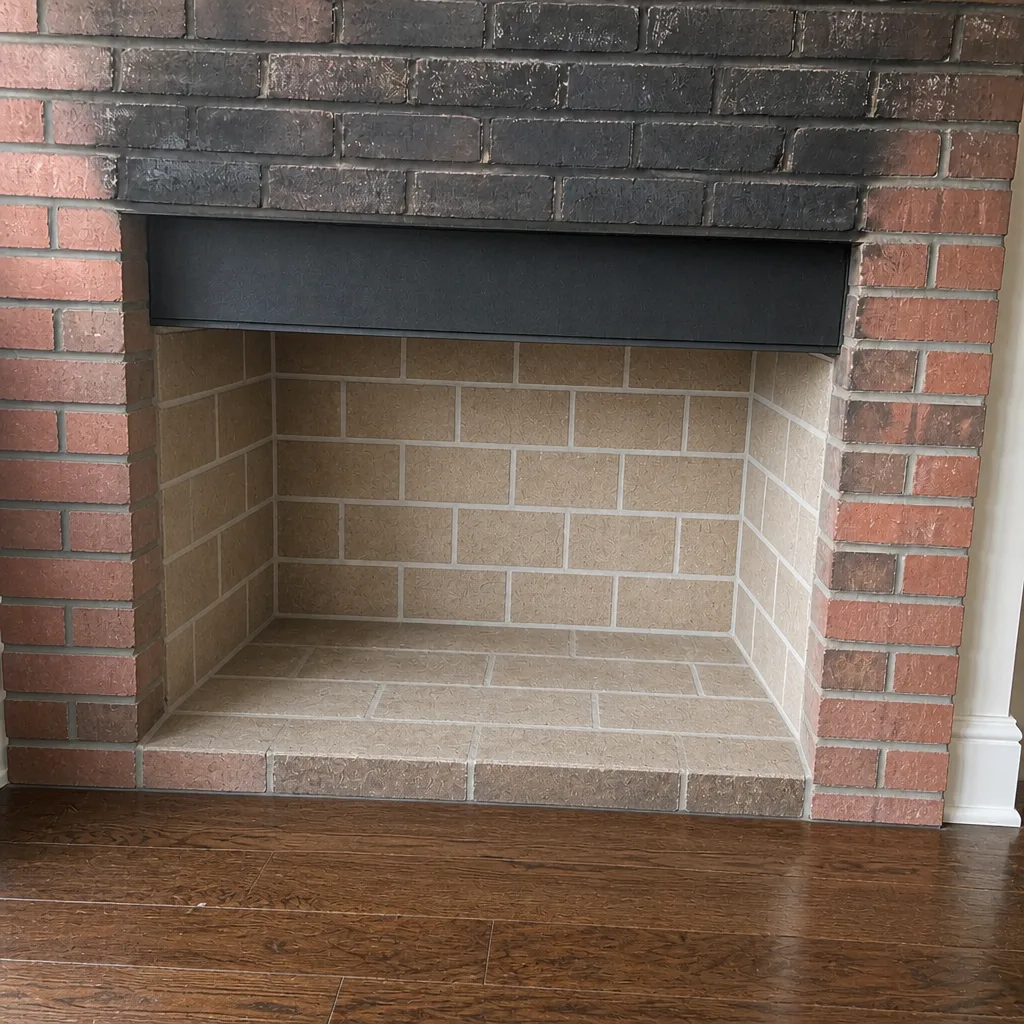
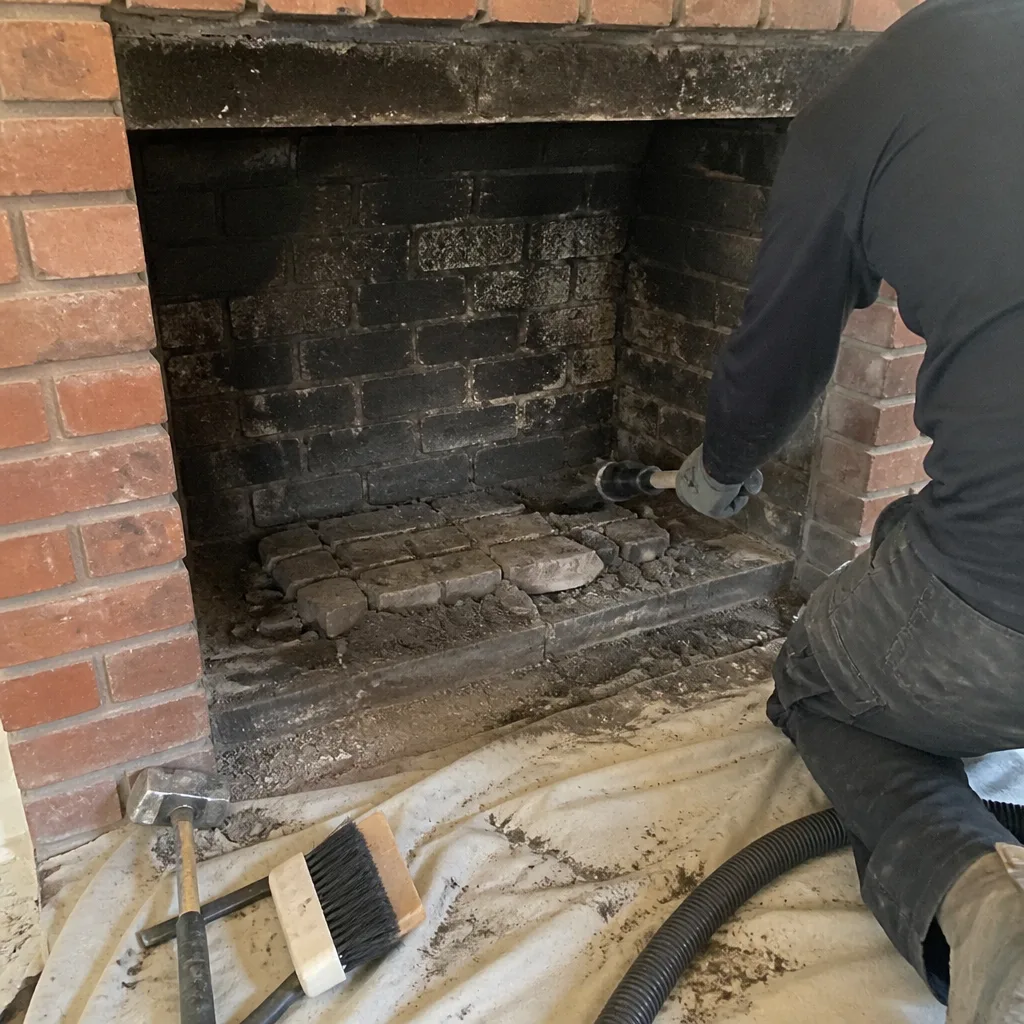
See the difference
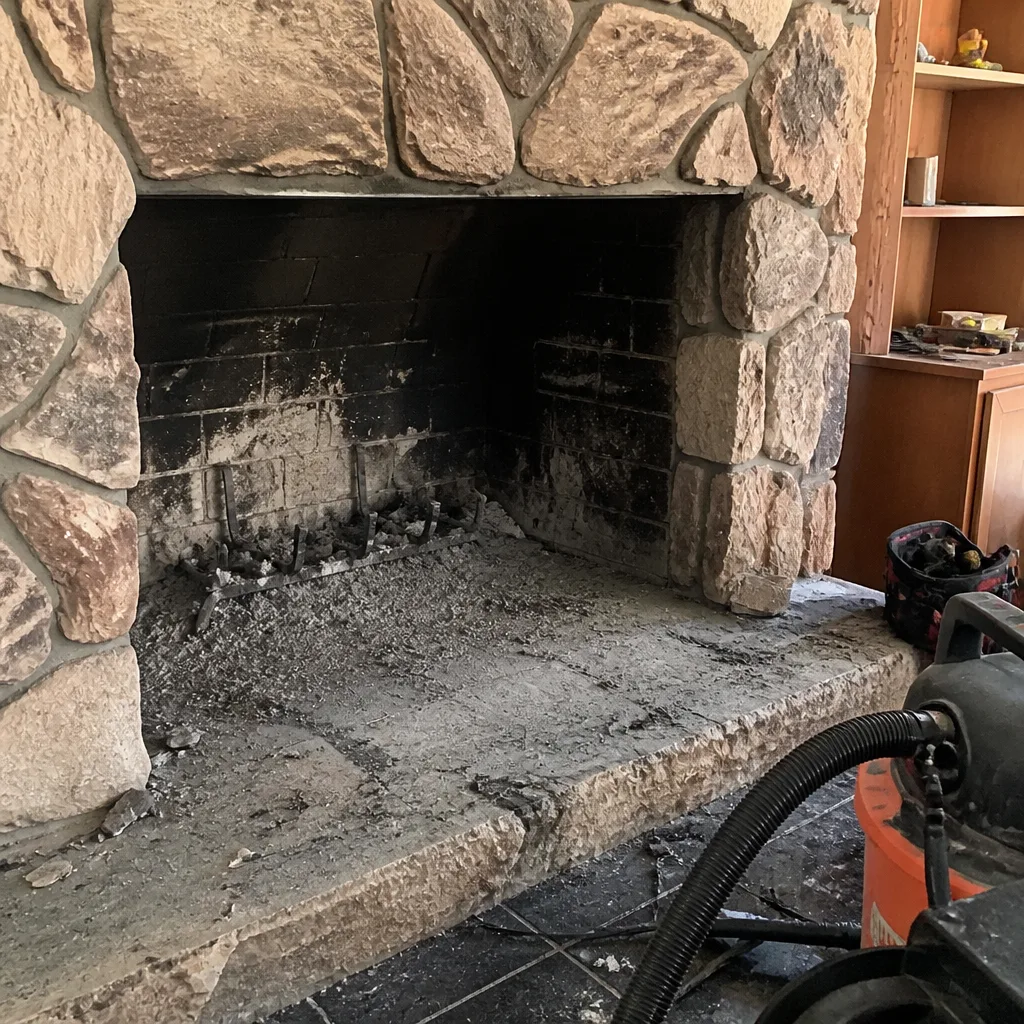 Before
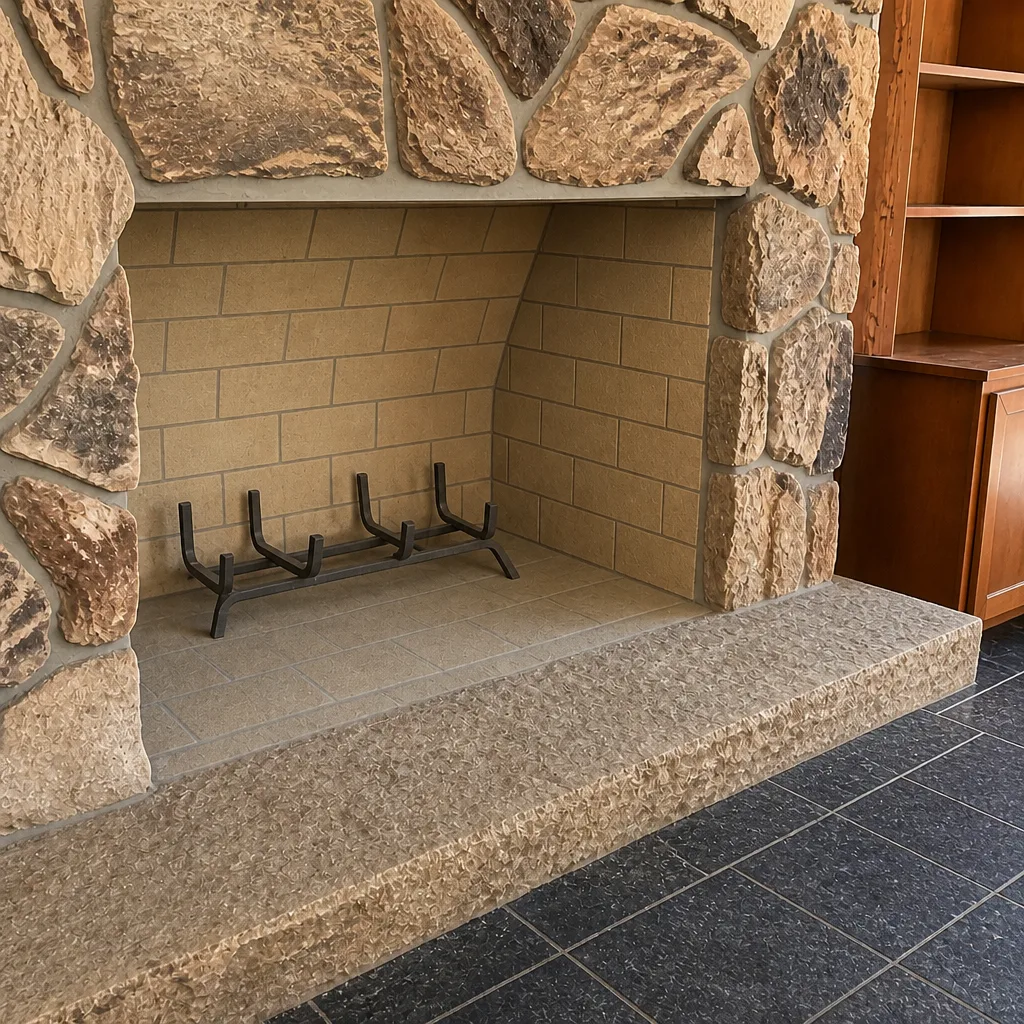 After
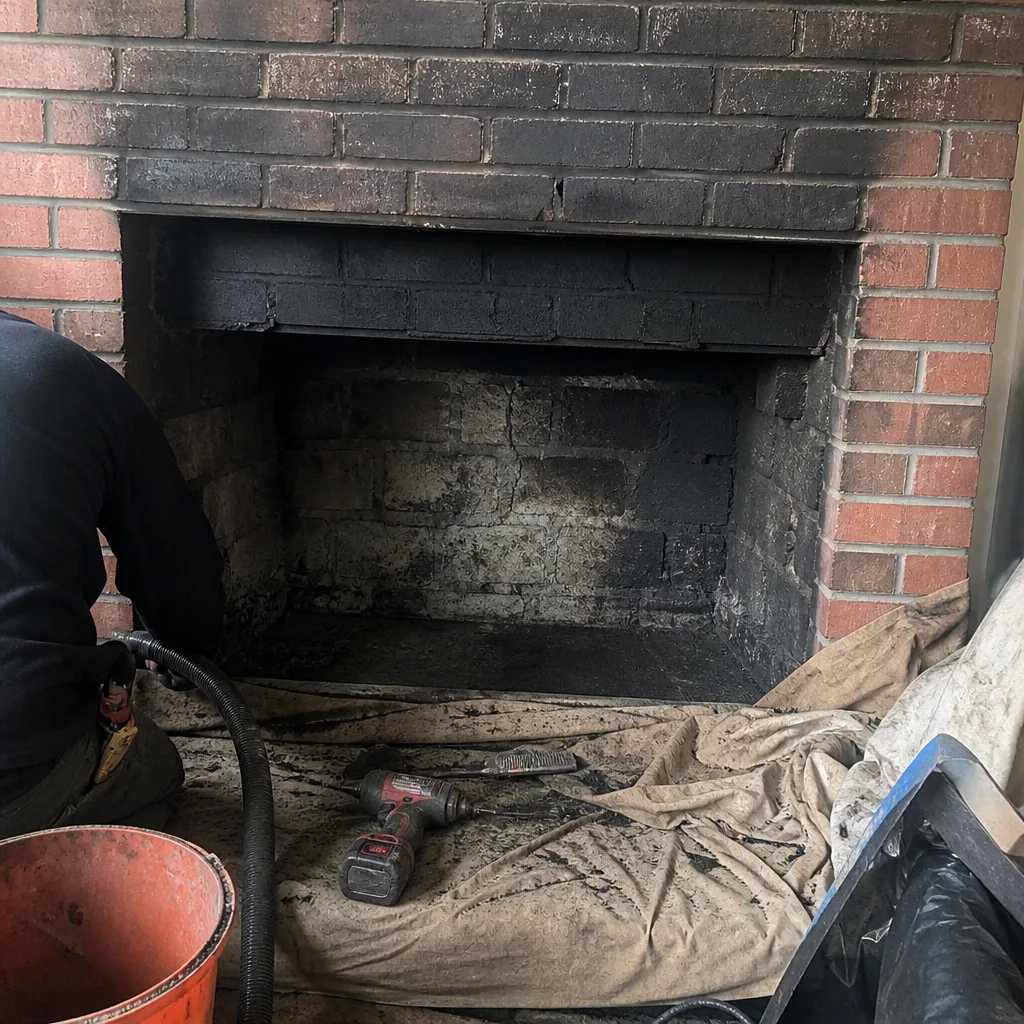 Before
 After
 Before
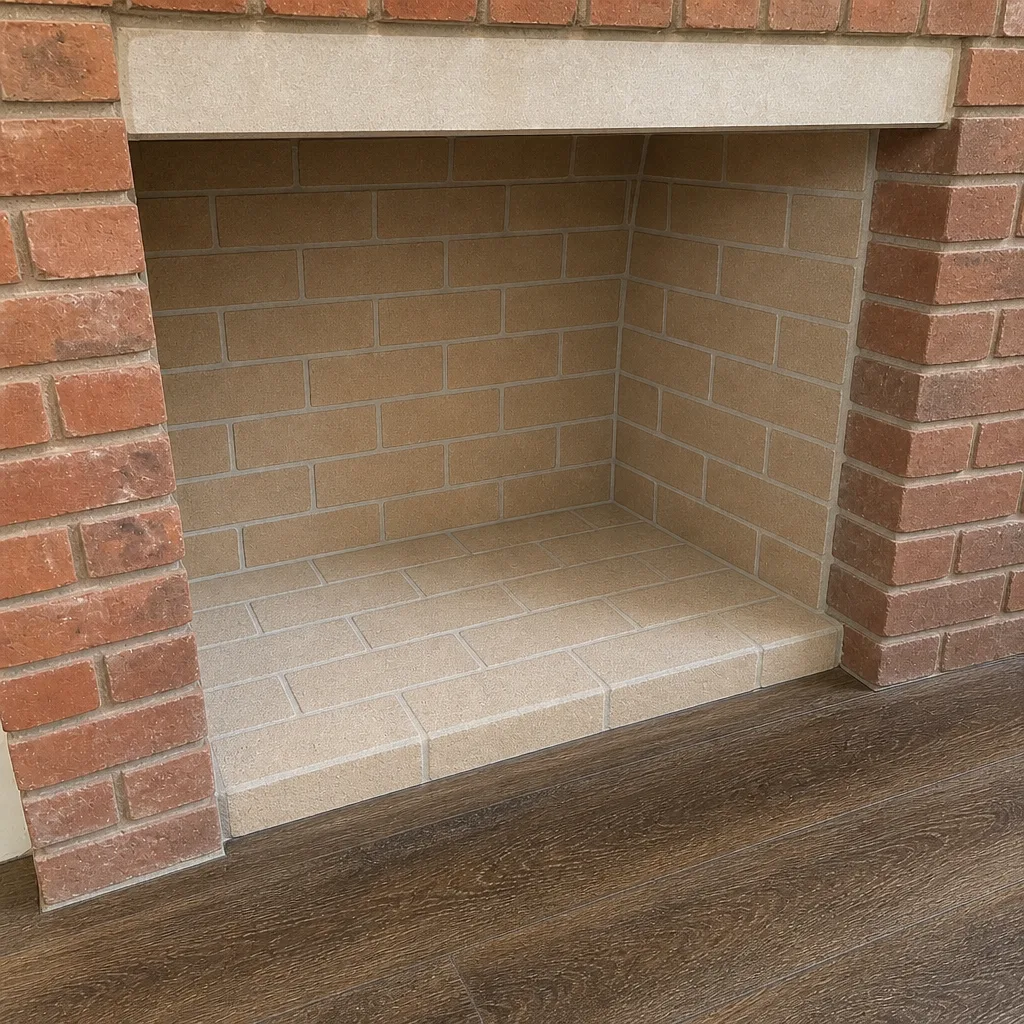 After
When to Call a Professional
Call for service when you’re due for the annual inspection, when draft symptoms appear, or when you’re buying or selling a home in Antioch. Call sooner if you’ve had a chimney fire, felt a quake in the area, or noticed smoke spilling into the room with the damper fully open. Call if a previous inspector told you repairs were needed and you want a second look documented on camera before committing to liner work. Call if your cap is missing or damaged and you’ve had debris fall into the firebox.
Chimney Sweep Antioch offers free estimates in Antioch – call (844) 352-4625. We answer 24/7. Fast dispatch from 7am to 7pm, Sunday through Friday. We service homes across Antioch and the surrounding Delta edge, and we bring the inspection, the cleaning and the repair capability to the same job so nothing gets handed off.
Frequently Asked Questions
Chimney cleaning in Antioch is priced per job by a written estimate after the technician sees the flue configuration and appliance type. The estimate is free, so there’s no cost to find out. Factors that shift the price include the number of flues, creosote condition, roof access, and whether a Level 2 inspection is included. Call (844) 352-4625 for an exact quote – estimates are free.
That depends entirely on what the camera shows. Surface-level deterioration or localized damage can often be addressed with HeatShield resurfacing, which restores the interior without a full reline. Cracks, separations, or undersizing require a full liner like DuraFlex. Ask to see the footage before deciding. If the chimney can safely wait, we’ll tell you that. Call (844) 352-4625 to book the inspection.
Sweep when deposit reaches roughly 1/8 inch on the flue walls, and inspect annually regardless. Antioch’s Delta breeze makes combustion less consistent than in a sheltered climate, so stratification can build faster than homeowners expect. If you burn frequently or use damp wood, plan for more frequent service. Call (844) 352-4625 to book a sweep and inspection together.
Creosote continues to accumulate and eventually glazes, which lowers its ignition temperature and increases fire risk. A liner with an unrecognized crack can let heat reach framing, and draft problems can push combustion gases into the room. Skipping service doesn’t create a sudden failure, it just removes the information you’d need to prevent one. Call (844) 352-4625 for a cleaning and camera inspection – estimates are free.
Yes, if the quake was strong enough to be felt in the area. Masonry is one of the first things to shift, and hairline cracks in a flue may not be visible from the firebox. A Level 2 inspection with camera footage documents the condition and catches problems early. Ask for it by name when you book. Call (844) 352-4625 to schedule.
Yes. A proper cleaning report includes camera footage, measured findings, and a recommendation with a timeframe – what needs attention now, what should be monitored, and what can safely wait. Because we handle sweeping, inspection, and repair as one service, the findings can be remediated by the same company rather than handed off. Call (844) 352-4625 for a free estimate in Antioch.
The Bottom Line
Chimney cleaning in Antioch isn’t a chore you schedule and forget. It’s a diagnostic process in which the brush reveals what the camera must assess, and the camera determines whether repair is warranted. Skip either half and you’re operating on incomplete information about a fire-risk system in your home. Book cleaning, inspection and, when needed, repair as one accountable service, keep the report as a maintenance record, and treat the Delta breeze as a real factor in how your creosote forms and how your cap holds up. Ask to see the footage for any recommended repair. If the chimney can safely wait, you should hear that plainly. If it can’t, the evidence should be in your hands before you spend a dollar.
Contact Chimney Sweep Antioch for a free estimate at (844) 352-4625. We answer 24/7. Fast dispatch from 7am to 7pm, Sunday through Friday.
Written by the team at Chimney Sweep Antioch.